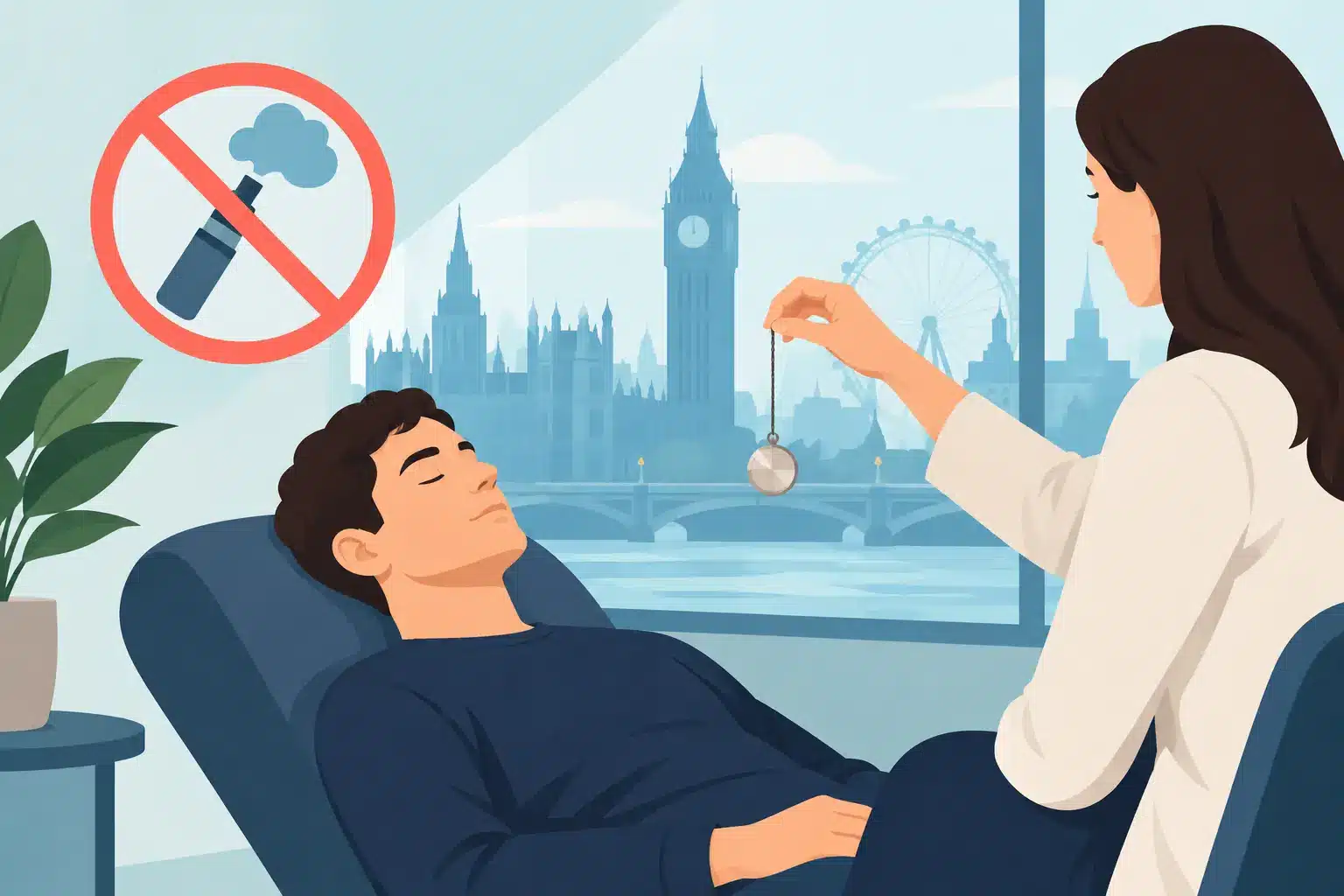
A busy mind does not always look like a crisis from the outside. You may still be meeting deadlines, looking after others and appearing capable, while your body is permanently braced for the next demand. The potential oxy relax therapy benefits are most relevant here: helping you move out of a sustained stress response so that clearer thinking, steadier emotions and more restorative rest become possible.
Oxy-Relax therapy is a structured, evidence-informed approach used to support deep relaxation and reduce the patterns of physical and mental tension that can keep anxiety going. It is not about forcing yourself to be calm or simply putting positive thoughts over a difficult situation. The work focuses on helping your nervous system settle, while giving you practical ways to respond differently when pressure builds.
What Oxy-Relax therapy is designed to address
Stress is not only a thought process. It can show up as a tight chest before a meeting, a stomach that reacts to every deadline, racing thoughts at bedtime, shallow breathing on the commute, or an inability to switch off during a weekend that was meant to be restful. Over time, this state of alertness can affect concentration, sleep, confidence, mood and physical comfort.
Oxy-Relax therapy works with the connection between mind and body. Sessions are tailored around your particular pattern of stress, the situations that trigger it and the way you currently try to cope. For some people, this may sit alongside cognitive hypnotherapy, NLP, EFT or other therapeutic techniques where appropriate. The aim is not to use a fixed script, but to find an approach that makes sense for you.
When clients visit our practice, they could be feeling exhausted but unable to rest, highly capable at work but anxious in quieter moments, or frustrated that they understand their stress logically but cannot seem to change how it feels physically. These are common experiences, particularly for people living and working in London where pace, responsibility and constant availability can become normalised.
Oxy Relax therapy benefits: what may change
The first benefit people often notice is a greater sense of physical ease. This might mean less jaw tension, fewer stress-related stomach symptoms, a slower internal pace or a clearer awareness of when they are becoming overloaded. That awareness matters because it creates a point at which you can respond before stress becomes overwhelming.
A second potential benefit is improved emotional regulation. When the body is in a heightened state, ordinary events can feel disproportionately urgent. A short email may trigger worry, a difficult conversation may be replayed for hours, or a small mistake may feel like proof that something is going wrong. Relaxation-based therapeutic work can help create more space between an event and your reaction to it.
Sleep can also improve when stress levels begin to reduce. This does not mean that one relaxed session will resolve long-standing insomnia. Sleep difficulties often have several causes, including routine, health concerns, low mood, hormones, alcohol, medication and entrenched worry about not sleeping. However, if a mind that will not switch off is part of the picture, learning to settle your system can be a useful part of treatment.
In our practice, we often see clients who have tried to push through stress for so long that they no longer notice the early signs. They may only seek support once they are waking at 4am, avoiding situations they would normally handle, relying on food, alcohol or cigarettes to decompress, or finding that their confidence has dropped. Therapy can help them understand the pattern without judgement and start making changes that are realistic in daily life.
Why relaxation alone is not always enough
A relaxation exercise can be helpful, but lasting progress usually requires more than a pleasant hour of calm. If work pressure, perfectionism, people-pleasing, a fear of failure or an unresolved experience is continually setting off the alarm system, the underlying pattern needs attention too.
This is where individual treatment matters. One person may need help reducing performance anxiety before presentations. Another may need to address a phobia, health anxiety or panic sensations. Someone else may be struggling with IBS symptoms that worsen during periods of stress. All people are different, but we see some who may be caught in a cycle of tension, avoidance and self-criticism that has gradually narrowed their life.
Oxy-Relax therapy can provide a calmer foundation for that wider work. Once you are less activated, it can be easier to think flexibly, practise new responses and engage with situations that you have been avoiding. It does not remove the realities of a demanding job, a difficult relationship or a busy family life. It may, however, help you meet those realities without your body treating every challenge as an emergency.
The value of a tailored approach
There is no single pace for therapy. Some clients come with a clear, focused issue and want practical support for a particular event, such as flying, public speaking or an important interview. Others have been running on stress for years and need time to understand the beliefs and habits that keep the pattern in place.
A tailored plan allows sessions to reflect this. It may include relaxation work for immediate relief, therapeutic techniques to address triggers and simple practices between sessions. These practices are not intended to become another task on an already crowded list. They should be manageable enough to use before sleep, during a difficult workday or in the moments before an anxious situation.
For many clients, the useful shift is not that stress disappears entirely. It is that they feel more able to notice it, regulate it and choose what to do next. They may recover more quickly after a difficult day, speak up with less fear, sleep more consistently or stop interpreting every physical sensation as a warning sign.
When to seek additional support
Oxy-Relax therapy is not a substitute for medical assessment or urgent mental health support. If you have new or severe physical symptoms, thoughts of harming yourself, or are concerned about alcohol, drug use or medication, it is important to speak with an appropriate medical professional or emergency service.
It is also worth being honest about what you need from therapy. If stress has become linked to depression, trauma, compulsive behaviours or significant relationship difficulties, relaxation may be one helpful element rather than the whole answer. A qualified therapist should discuss this with you, explain the proposed approach clearly and adapt the work as your needs become clearer.
The most useful starting point is often to stop asking whether you should be coping better and begin asking what your system has been coping with for too long. Feeling calmer is not a luxury or a reward for finishing everything on your list. It is a condition that can support better decisions, healthier boundaries and a more sustainable way of living.
“If you’re based in London and would like to explore this further, you can get in touch with us.”