You may have told yourself you just need a weekend off, a proper night’s sleep, or a quieter week at work. Yet burnout rarely lifts because of one early night or a short break. When exhaustion starts to affect your concentration, patience, motivation and physical health, the best therapy approaches for burnout are usually the ones that look beyond stress management and ask what is keeping your system stuck in overload.
Burnout is not simply about being busy. It often involves a prolonged mismatch between what is being asked of you and what your mind and body can realistically sustain. For many people, especially professionals in London, there is also a layer of pressure that is harder to spot – perfectionism, hyper-responsibility, people-pleasing, fear of letting others down, or an inability to switch off without guilt. Therapy can help, but not every approach works in the same way.
What burnout often looks like in practice
When clients visit our practice, they could be feeling flat, irritable and detached, while still carrying on with work and family responsibilities. Some describe brain fog and poor sleep. Others say they feel wired and tired at the same time, as if their body is permanently braced.
All people are different, but we see some who may be outwardly coping very well while privately feeling close to collapse. That is one reason burnout can be missed for so long. High-functioning people are often praised for pushing through, which can make it harder to recognise when coping has turned into depletion.
A good therapeutic approach needs to take that whole picture seriously. It should consider your thoughts, habits, nervous system, emotional load and daily environment, rather than treating burnout as a simple motivation problem.
Best therapy approaches for burnout: what tends to help
The best therapy approaches for burnout depend on what is driving it. If your burnout is closely linked to anxiety, unresolved stress, people-pleasing or long-standing pressure patterns, therapy needs to address those roots. If it is more connected to workplace conflict, grief, poor boundaries or chronic insomnia, the focus may need to shift.
CBT can be useful when burnout is fuelled by harsh self-talk, unhelpful assumptions and rigid thinking patterns. It helps many people notice the rules they live by – such as needing to be productive at all times or believing rest has to be earned. For some, this creates welcome clarity and practical change. For others, especially those who already understand their patterns intellectually, CBT can feel a little too head-led on its own.
Counselling or psychotherapy can be helpful where burnout has built up over years and is tied to deeper emotional themes. This kind of work offers space to explore identity, relationships, work stress and the personal history that may be shaping current reactions. It can be especially valuable if you feel emotionally numb, resentful or lost. The trade-off is that insight does not always translate quickly into nervous system relief, so some clients benefit from a more integrative approach.
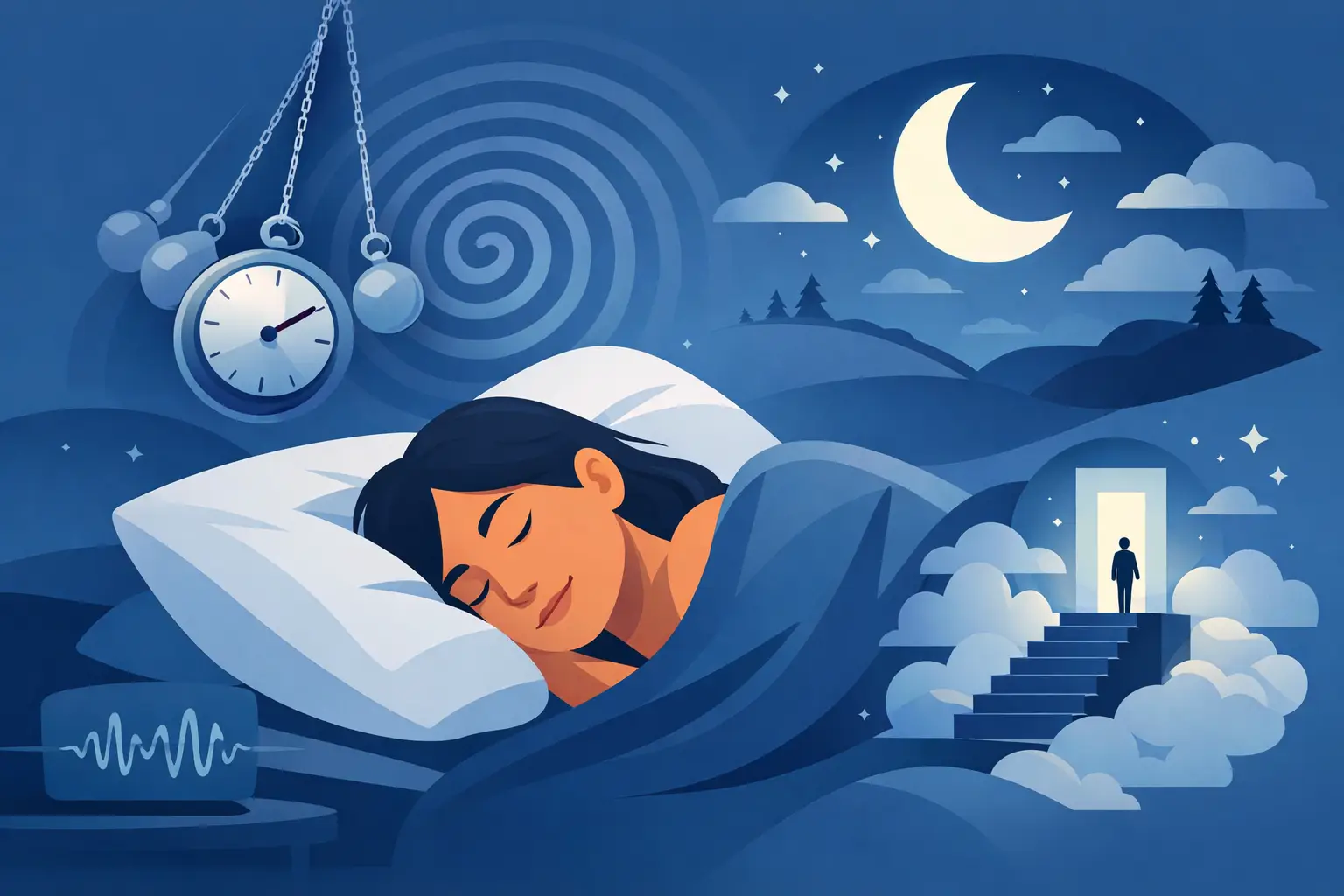
Hypnotherapy is often worth considering when burnout involves chronic overthinking, poor sleep, physical tension and an inability to switch off even when you want to. In simple terms, it helps people access a calmer, more receptive state where stress responses and automatic patterns can be worked with more directly. This is not about losing control. It is about learning how to reduce internal noise so the mind and body stop acting as if every demand is urgent.
In our practice, we often see clients who have tried to reason their way out of burnout for months, sometimes years. They know they need boundaries. They know they need rest. But knowing is not always the same as feeling safe enough to stop. That gap matters.
Why an integrative approach often works best
Burnout is rarely just one thing, so therapy is often most effective when it is tailored rather than rigid. An integrative approach can combine practical strategies with work on the deeper patterns that keep stress cycling.
Cognitive hypnotherapy can be particularly useful here because it does not rely on one single model. It can draw on hypnosis, cognitive understanding and behavioural change in a way that feels more personalised. If someone is trapped in constant mental rehearsal, catastrophising or self-pressure, this approach can help reduce that internal tempo while building more useful responses.
NLP-based methods may help with the mental habits that maintain burnout, such as running future worries on repeat or attaching your sense of worth to performance. These patterns often happen quickly and automatically. When therapy helps interrupt them, people frequently feel more choice in situations that used to trigger immediate stress.
EFT can also support some clients, particularly where burnout carries a strong physical charge – tight chest, knot in the stomach, racing thoughts, tearfulness or emotional overwhelm. It will not suit everyone, and some prefer more conventional talking approaches, but for the right person it can be a practical way to settle the body while processing pressure.
If sleep is poor, nervous system regulation becomes essential. Burnout and insomnia often feed each other. A person feels exhausted, then lies awake with a racing mind, then wakes more depleted and less resilient. Relaxation-based therapeutic work can help interrupt that cycle. Structured approaches that teach the body how to stand down are often more useful than simply being told to rest.
What to look for when choosing therapy for burnout
The best therapy approaches for burnout are usually the ones that fit your actual experience, not just the label. If you feel emotionally shut down, a purely motivational approach may miss the point. If you are functioning but running on fear and adrenaline, gentle support alone may not be enough.
It is worth asking whether the therapist is looking at your burnout in context. Are they considering work pressure, family demands, perfectionism, health symptoms and sleep? Are they helping you understand why your current coping style made sense, rather than treating it as a personal failing? Good therapy should feel grounded and specific, not generic.
It also helps to think about pace. Some people need a reflective space and are happy to work gradually. Others are desperate for practical relief because they are close to not coping. Neither is wrong. What matters is being honest about what you need now.
Burnout therapy should involve more than talking
Talking can be very helpful, but burnout often lives in the body as much as the mind. People commonly describe feeling constantly alert, tense or drained, even during quiet moments. That is why therapy for burnout tends to work better when it includes tools you can use between sessions.
These might include ways to settle the nervous system, improve sleep, reduce anticipatory anxiety, challenge overwork patterns or respond differently to guilt around rest. The aim is not to add another self-improvement task to your week. It is to help your system learn that slowing down is not dangerous.
For some clients, one of the most useful shifts is recognising that burnout is not a sign of weakness. It is often the predictable outcome of being capable, conscientious and under strain for too long without enough recovery or support. Therapy can help you respond to that reality with more skill and less self-criticism.
A realistic view of recovery
Burnout recovery is rarely instant, and any therapist who suggests otherwise is oversimplifying it. The nervous system usually needs repetition, safety and time. Thought patterns may need updating. Boundaries often need to be practised, not just understood.
That said, the right therapy can make a noticeable difference sooner than people expect. Better sleep, fewer racing thoughts, less dread on Sunday evenings, a reduced sense of panic around messages and meetings – these are meaningful changes. They do not solve every issue overnight, but they create enough space for real recovery to begin.
If you are considering support, it may help to look for an approach that is calm, tailored and practical. Burnout is not just about doing less. Very often, it is about understanding why your system has been forced into survival mode and helping it find a steadier way forward.
If you’re based in London and would like to explore this further, you can get in touch with us.