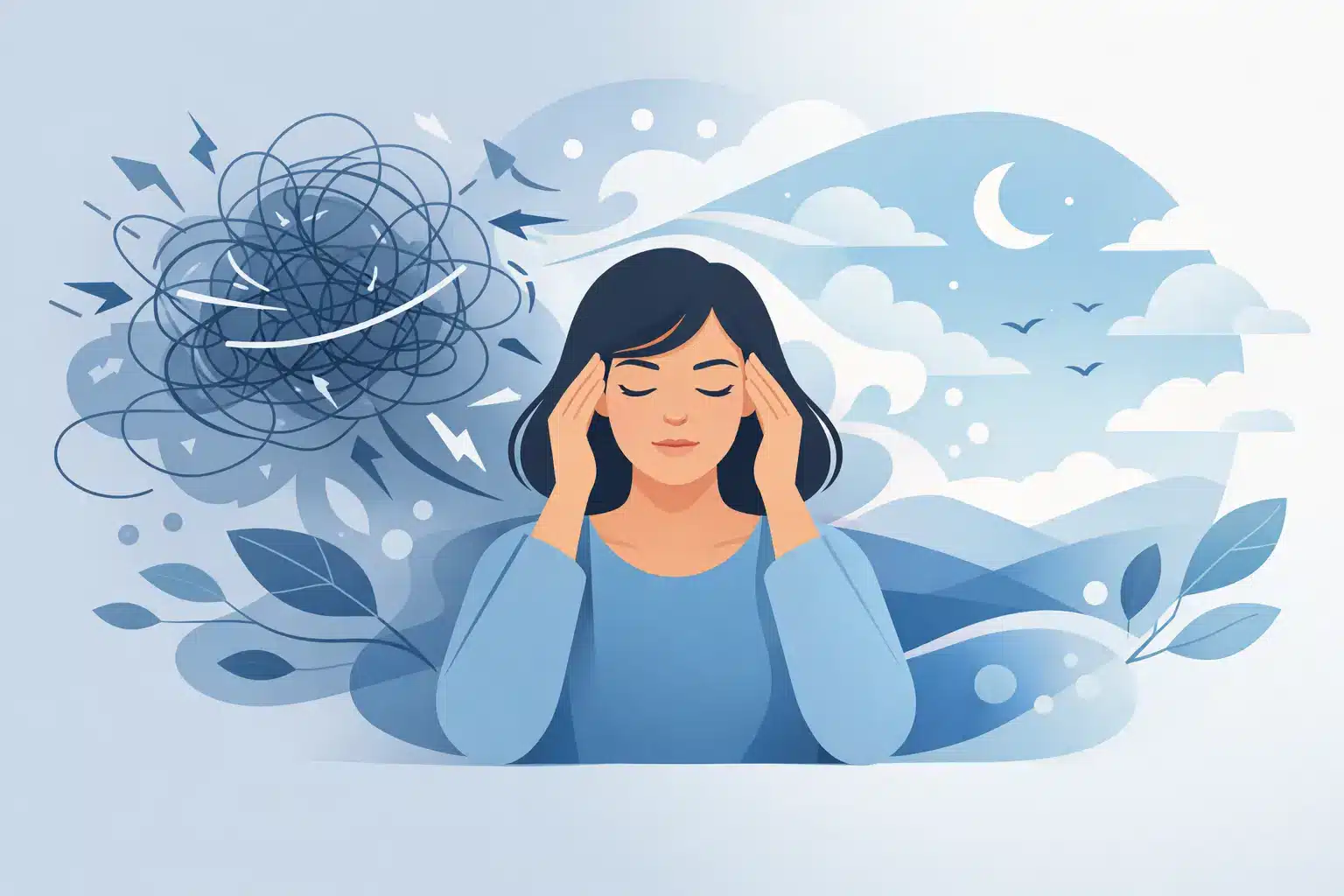
You can go days, weeks or even months without a cigarette and still feel caught off guard by one difficult moment. A tense journey home, drinks with friends, a row at work, or simply that old feeling of wanting a pause can bring the urge back very quickly. That is why a guide to smoking relapse prevention matters after the initial quit attempt, not just at the start.
For many people, relapse is not about a lack of willpower. It is more often a pattern that has not been fully understood yet. Smoking tends to attach itself to stress, routine, identity, reward and relief. If those links are still active, stopping can feel fragile, even when motivation is strong.
Why smoking relapse happens
Most relapses do not begin with a conscious decision to become a smoker again. They usually start with a small moment of bargaining. One cigarette at a party. One cigarette after a difficult day. One cigarette because work has been relentless and you want your head to settle. The mind can make that sound harmless, especially if smoking used to feel like a reliable way to cope.
When clients visit our practice, they could be feeling frustrated that they have already proved they can stop, yet still seem pulled back towards it. That frustration often comes from expecting the hardest part to be over once nicotine is out of the system. In reality, the physical withdrawal may pass sooner than the conditioned habits and emotional associations.
There is also the problem of overconfidence. Once someone has been smoke-free for a while, they may test themselves in old situations without much preparation. They might go back to the pub, take a highly stressful week at work in their stride, or spend time with smokers and assume the old pattern has no hold. Sometimes that is fine. Sometimes it exposes a weak spot.
A practical guide to smoking relapse prevention
Relapse prevention works best when it is specific. General intentions such as “I must stay strong” are rarely enough in the moment. What helps is knowing your triggers, planning your response, and understanding what smoking has been doing for you psychologically.
Start by looking at the pattern rather than the cigarette. Ask yourself when the urge is strongest, what feeling comes just before it, and what you imagine the cigarette would give you. For one person it is relief. For another it is a reward, a break, or a way to manage social discomfort. All people are different, but we see some who may be smoking less for nicotine itself and more for the function it serves in their day.
Once that function is clearer, prevention becomes more realistic. If smoking has been your way of calming down, you need another method that genuinely lowers tension. If it has marked the shift between tasks, you may need a replacement ritual. If it has been tied to identity, such as being the one who steps outside for air and a reset, then that part of the routine needs attention too.
Know your high-risk moments
Certain situations deserve more respect than people give them. Alcohol is a common one. It lowers inhibition and brings back automatic habits. Social settings can do the same, especially if smoking has been linked with connection, flirting, or taking a breather from a crowded room.
Stress is another obvious trigger, but boredom and success can be just as relevant. Some people crave a cigarette when under pressure. Others want one when they finally relax. There are also those who feel tempted after achieving something, because smoking was once paired with reward.
In our practice, we often see clients who… know exactly why they stopped smoking, yet still feel vulnerable in one or two very particular situations. That is useful information. You do not need to fear every day equally. You need to prepare well for the moments that tend to catch you out.
A simple approach is to identify your top three risk situations and decide in advance what you will do instead. Not what you hope you will do, but what you will actually do. If the craving hits after meetings, perhaps you walk once round the block and have water before returning to your desk. If evenings are difficult, perhaps you change the sequence of your routine so there is less empty space for the old cue to appear.
The role of stress and emotional regulation
Many smokers are not only managing a habit. They are managing a nervous system that has learned to seek relief in a familiar way. That is why relapse prevention often improves when the focus shifts from resisting cigarettes to regulating stress.
If your day is full of pressure, poor sleep and constant mental load, the brain is more likely to reach for old shortcuts. Smoking can seem attractive not because it solves the problem, but because it is known, immediate and ritualised. The hand movement, the pause, the breath, the anticipation – all of these can create a brief sense of control.
This is where therapeutic work can be useful. Cognitive hypnotherapy and related approaches can help separate the cigarette from the meaning attached to it. If your mind still codes smoking as relief, confidence, comfort or escape, then simply telling yourself not to do it can feel like an internal argument. Therapy can help change the association itself, which often makes relapse prevention feel less like a daily fight.
What to do after a lapse
A lapse is one cigarette or one episode. A relapse is a return to the pattern. The space between those two matters a great deal.
If you have smoked, the most helpful response is usually calm honesty. What happened just before it? What did you tell yourself? What need were you trying to meet? Harsh self-criticism tends to make things worse, because shame often feeds the very stress that keeps the cycle going.
People often think a lapse means they are back at square one. Usually they are not. It means something in the system needs more support. Perhaps the trigger was stronger than expected. Perhaps there was too much pressure in the background. Perhaps the original quit attempt focused on stopping behaviour but not on the thoughts and feelings underneath it.
Building a stronger non-smoker identity
Longer-term prevention is not only about avoiding triggers. It is also about becoming less available to the habit. That means strengthening the sense that smoking no longer fits who you are or how you deal with life.
This identity shift is often quieter than people expect. It may show up as taking proper breaks without needing a cigarette, handling awkward feelings more directly, or noticing that the old image of smoking as relief no longer feels convincing. Over time, the goal is not to white-knuckle your way through cravings. It is to reduce how persuasive they feel.
For some, that includes practical support such as changing routines, limiting exposure to smoking cues for a period, and being honest with friends or colleagues about what helps. For others, it means dealing with the wider issue that kept smoking in place, such as anxiety, low mood, burnout or perfectionism.
When extra support makes sense
If you have stopped and restarted several times, that does not mean you are incapable of quitting. It usually means the pattern is more layered than it first appeared. A tailored approach can help uncover what keeps pulling you back.
At City of London Hypnotherapy, this work is often less about telling someone not to smoke and more about understanding why the urge still holds value in their mind. Once that is clearer, the work can become more precise and more useful in everyday life.
The aim is not to make promises that sound neat on paper. It is to help you reduce the pull of the habit, strengthen your response to triggers and feel more in control when pressure rises. That is especially relevant for busy professionals who are functioning well on the surface while relying on old coping mechanisms underneath.
If you are trying to stay smoke-free, be wary of treating relapse prevention as an afterthought. It is part of quitting, not a separate stage. The more honestly you understand your triggers, your stress patterns and the role smoking has played, the steadier your progress tends to become.
“If you’re based in London and would like to explore this further, you can get in touch with us.”