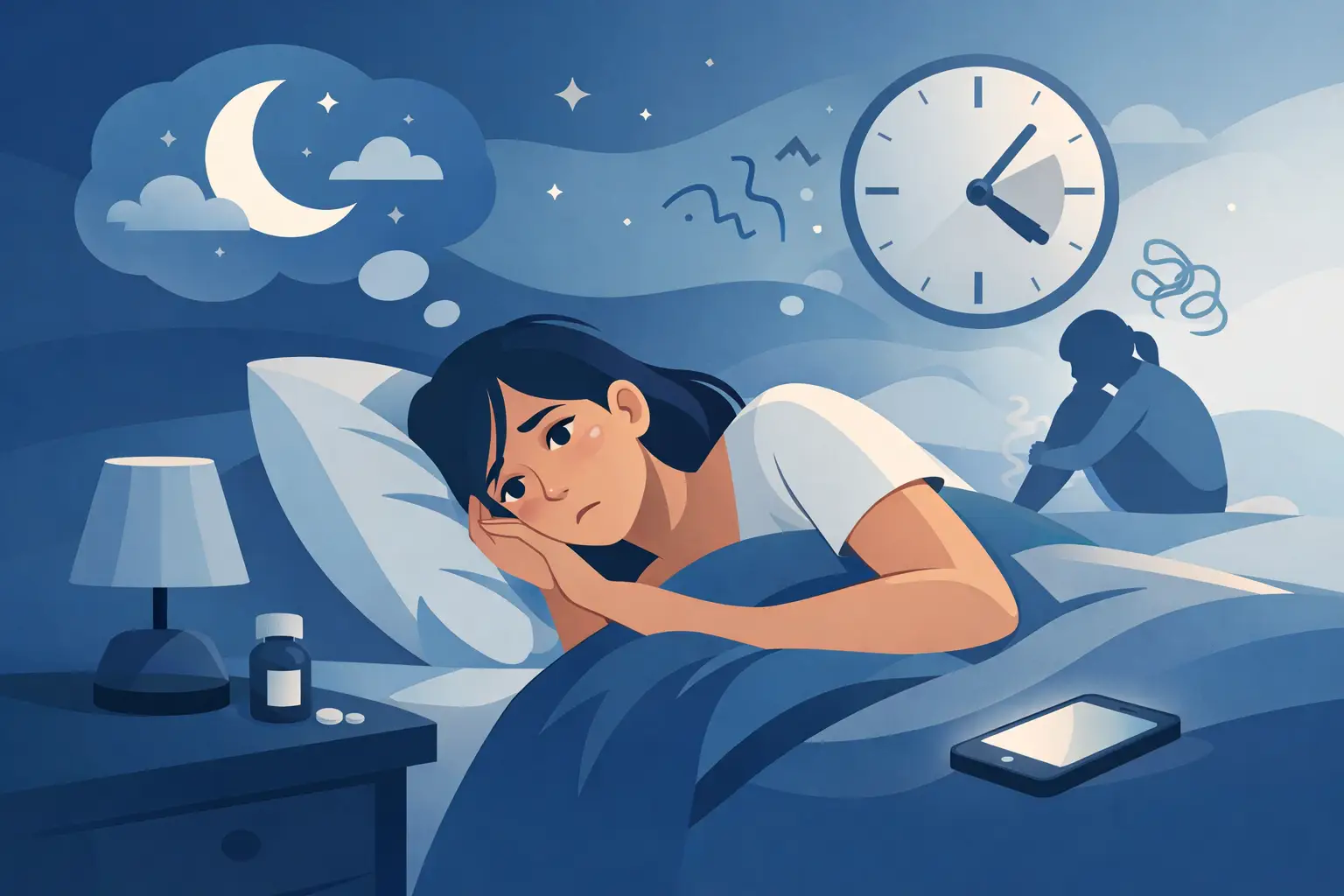
Some people keep going long after their system has stopped coping. They are still turning up to work, replying to messages, managing family life and looking functional from the outside, yet internally everything feels too much. Therapy for burnout and overwhelm often becomes relevant at exactly this point – when rest alone is not touching the problem, and the usual ways of coping have started to fall away.
Burnout is not simply tiredness. Overwhelm is not simply having a busy week. For many people, the experience is more persistent and more unsettling than that. There may be a sense of dread on waking, difficulty concentrating, irritability, tears that seem to come from nowhere, or a flatness that makes even simple decisions feel disproportionately hard. Some people notice physical symptoms first, such as headaches, stomach issues, poor sleep, racing thoughts or a constant feeling of being on edge.
When clients visit our practice, they could be feeling exhausted but unable to switch off. They may say they are snapping at people they care about, making small mistakes at work, procrastinating over tasks they would usually handle well, or feeling strangely detached from their own life. Quite often, they have already tried to push through, take a few days off, exercise more, or be stricter with themselves. That approach tends to work only for so long.
What burnout and overwhelm can look like
People often imagine burnout as something dramatic and obvious, but it is frequently much quieter. It can build over months or years. A demanding role, family pressures, poor boundaries, unresolved anxiety, perfectionism, lack of recovery time, grief, or ongoing uncertainty can all play a part. Sometimes the problem begins with external pressure. Sometimes the pressure is internal – a relentless habit of overthinking, over-responsibility or never feeling that what you do is enough.
All people are different, but we see some who may be outwardly successful and inwardly struggling. They are often capable, conscientious people who are used to managing a lot. That can make it harder to recognise when they need support, because they are so accustomed to being the dependable one.
Burnout and overwhelm also overlap with other issues. Anxiety can make the mind hyper-alert and unable to settle. Poor sleep gradually lowers resilience. Low mood can reduce motivation and concentration. Chronic stress can affect digestion, pain levels and the sense of safety in the body. This is one reason a thoughtful therapeutic approach matters. If the work focuses only on surface symptoms, progress may be limited.
Why therapy for burnout and overwhelm can help
Therapy is useful not because it tells you to slow down, but because it helps you understand what is driving the pattern and what needs to change. Burnout rarely improves through willpower alone. In fact, many burnt out people have been using willpower for too long.
A good therapeutic process helps in several ways. First, it gives you space to step out of survival mode and make sense of what has been happening. Second, it helps regulate the stress response, so your mind and body are not constantly braced. Third, it looks at the habits, beliefs and emotional patterns that may be keeping the cycle going.
In our practice, we often see clients who have become stuck in a loop of pressure, self-criticism and mental overdrive. They may know logically that they need to rest or change pace, but their system does not seem able to settle. This is where therapy can be particularly helpful. It is not just about insight. It is about helping the brain and body respond differently.
For some people, burnout is closely linked to work stress. For others, it sits alongside people-pleasing, health anxiety, confidence issues or a long-standing tendency to stay switched on. The right approach depends on the person. There is no single script that suits everyone.
A more tailored approach to burnout
At City of London Hypnotherapy, we take an integrative view. That matters, because burnout and overwhelm are rarely one-dimensional. A person may need practical calming strategies, help with anxious thinking, support for sleep, and work around deeper emotional drivers all at once.
Cognitive hypnotherapy can be particularly useful when someone feels mentally exhausted yet unable to stop the internal noise. Hypnotherapy is not about losing control. Used properly, it can help create a calmer, more receptive state in which unhelpful patterns become easier to shift. Many clients find this valuable when they are too drained for approaches that feel purely effort-based.
Complementary methods such as NLP and EFT may also be helpful, depending on the presentation. For example, where someone is caught in repeated stress responses or anticipatory anxiety, these tools can support emotional regulation and reduce the intensity of certain triggers. If poor sleep, physical tension or digestive symptoms are part of the picture, treatment may also need to address the body as well as the mind.
The aim is not to force calm on top of an overloaded system. The aim is to understand what your mind and body have learned, and then work with that more effectively.
What therapy may involve in practice
Therapy for burnout and overwhelm usually starts by getting clear on what is actually happening for you. That sounds simple, but many people have not had the chance to think properly about when the problem began, what makes it worse, what they are telling themselves, and what happens in their body when pressure rises.
From there, the work may involve helping you reduce nervous system arousal, improve sleep patterns, change repetitive thought loops, and build better internal boundaries. Some people also need support around guilt. They may feel guilty resting, saying no, disappointing others, or not performing at their usual level. If that guilt is left untouched, recovery can be slower.
It is also worth saying that therapy is not always a quick fix. Sometimes people feel relief quite quickly once they begin to understand their patterns and have practical tools to use. In other cases, especially where burnout has been building for a long time, recovery is steadier and more layered. That is not failure. It simply reflects how long the system has been under strain.
A realistic therapeutic approach respects this. It balances symptom relief with deeper work, so you are not just patching yourself up to return to the same unsustainable pattern.
When to seek therapy for burnout and overwhelm
Many people wait until they are close to breaking point. They tell themselves they should be able to manage, that things will calm down next week, or that everyone else seems to be coping. But if your mood, sleep, concentration, motivation or physical wellbeing have been affected for more than a short spell, it is worth paying attention.
Therapy may be especially useful if you feel constantly wired, emotionally flat, tearful, resentful, detached from your work, or unable to recover properly even when you have time off. It may also help if stress is beginning to affect your relationships, confidence, health or day-to-day functioning.
There are times when a person may also need medical support, particularly where there is significant depression, severe anxiety, panic, or concerns about physical health. Good therapy should not ignore that. It should sit within a sensible, responsible view of your overall wellbeing.
The goal is not just coping better
Many high-functioning people come to therapy wanting to get back to normal as quickly as possible. That is understandable. But sometimes the more helpful question is not how to become better at coping with too much. It is how to stop living in a way that keeps overwhelming your system.
That may involve recovering your capacity to rest without guilt, setting firmer boundaries, changing the way you respond to pressure, or understanding why you have felt compelled to keep pushing past your limits. It may also mean becoming more aware of early warning signs, so you can respond before things escalate.
This is where good therapy can offer something more lasting. It does not simply tell you to be calmer. It helps you build a different relationship with stress, pressure and performance, one that is more sustainable and more humane.
If you’re based in London and would like to explore this further, you can get in touch with us.