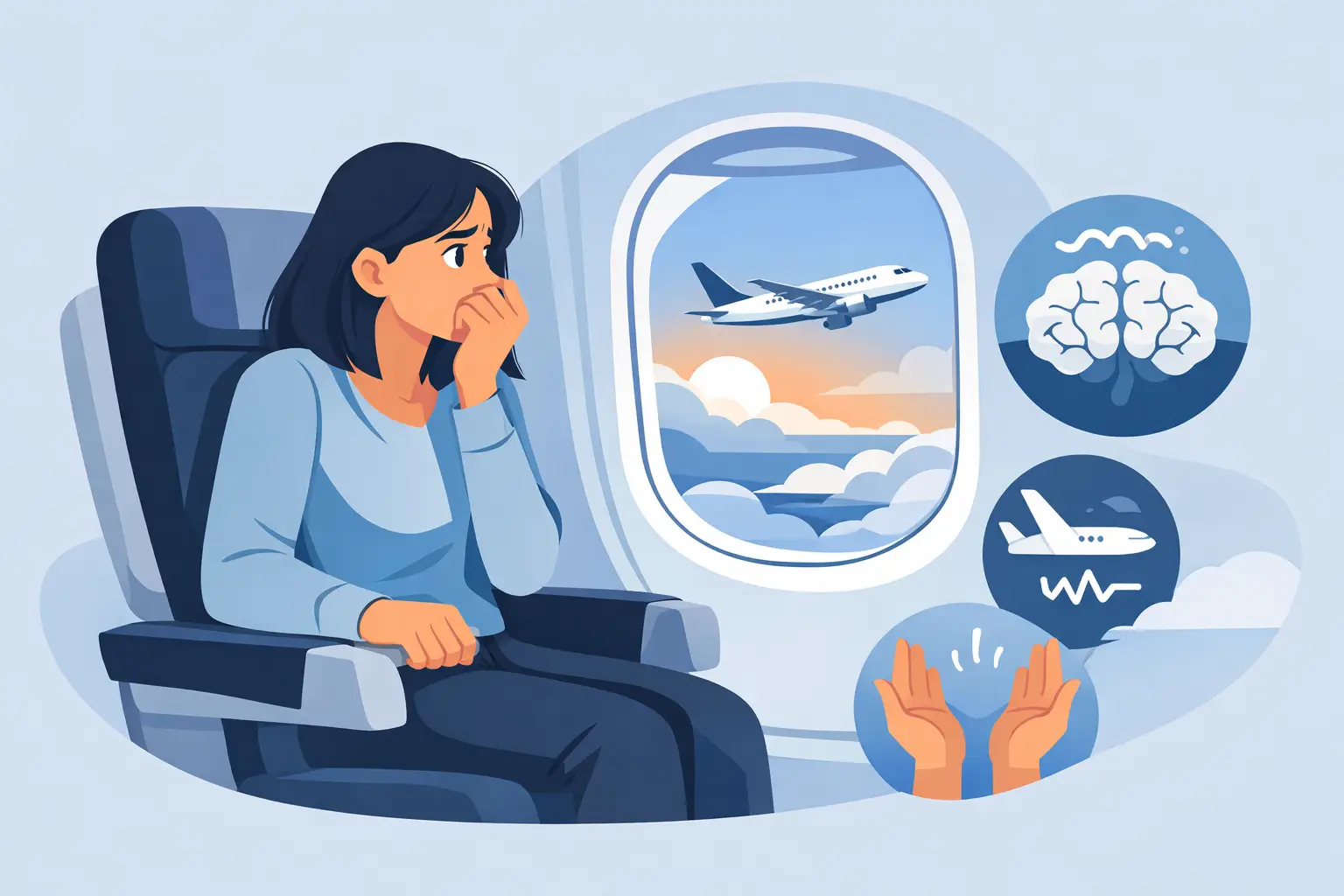
Anxiety rarely arrives as a neat, single problem. For many people, it shows up in the body first – a tight chest on the Tube, a racing mind at 3am, a knot in the stomach before a meeting, or the sense that even ordinary tasks take too much effort. This guide to anxiety hypnotherapy is for people who are functioning on the surface but feel worn down underneath, and want to understand whether this approach could genuinely help.
What anxiety hypnotherapy is
Hypnotherapy for anxiety is not about losing control or being made to do anything against your will. In a therapeutic setting, hypnosis is a focused state of attention where the mind becomes more receptive to helpful suggestions, reflection, and change. Most people describe it as deeply relaxed but still aware.
The aim is not simply to calm you down for an hour. Good anxiety hypnotherapy looks at the patterns underneath the anxiety – the thoughts, expectations, physical responses, and learned habits that keep it going. That might include constant overthinking, a need to stay on guard, avoidance of certain situations, poor sleep, or the habit of imagining the worst-case scenario before anything has even happened.
At City of London Hypnotherapy, the work is usually broader than hypnosis alone. A tailored approach may also include cognitive hypnotherapy, NLP, EFT, and practical tools to use between sessions. That matters because anxiety is not always one-dimensional, and treatment should reflect that.
A guide to anxiety hypnotherapy in practice
When clients visit our practice, they could be feeling exhausted, frustrated, embarrassed, or simply fed up with managing symptoms in private. Some have had anxiety for years and can point to no clear cause. Others notice it began after a stressful period, a panic attack, burnout, illness, a difficult relationship, or a change at work.
The first step is usually understanding how anxiety works for you specifically. Two people may both say, “I feel anxious,” but one may be struggling with social situations, another with health fears, and another with relentless pressure to perform. The content of the worry matters, but so does the pattern around it. When does it happen? What makes it worse? What are you doing to cope that may actually be keeping it in place?
In our practice, we often see clients who… appear calm and capable to everyone else while dealing with constant internal tension. They may be successful in their job, meeting deadlines, presenting well, and managing responsibilities, yet feel as if their nervous system never properly switches off.
Hypnotherapy sessions are then built around those patterns. Rather than offering a generic relaxation script, a therapist may help you reduce the body’s alarm response, question unhelpful assumptions, and create new responses to situations that currently trigger anxiety. If your anxiety is linked to sleep, confidence, IBS symptoms, public speaking, travelling, or a specific fear, the work can be shaped around that.
What a session usually feels like
A lot of people hesitate because they imagine hypnosis as something theatrical. Clinical hypnotherapy is much quieter than that. You remain aware. You can hear the therapist. You can speak if you want to. Most people feel physically settled, mentally focused, and less caught up in the usual internal noise.
The session often begins with conversation, because the quality of the therapy depends on understanding the issue properly. After that, the hypnotic part helps you access a calmer, more responsive state. From there, therapeutic work can be done more effectively, whether that means reducing anticipatory anxiety, changing an old emotional association, or mentally rehearsing a different response.
Some clients notice a shift after the first session, particularly with physical tension or sleep. Others change more gradually. That depends on the nature of the anxiety, how long it has been there, how many areas of life it affects, and whether there are related issues such as low mood, trauma, perfectionism, or chronic stress.
Who it tends to suit
All people are different, but we see some who may be looking for an approach that feels more personalised than a standard protocol. Often they have already tried to reason themselves out of anxiety and found that insight alone is not enough. They know their fears are excessive, but their body still reacts as if the threat is real.
This is where hypnotherapy can be useful. Anxiety is not only a thinking problem. It is also a pattern involving the nervous system, memory, expectation, and habit. If your mind understands something rationally but your body keeps doing something else, working at that deeper level can make sense.
It can also suit people who are tired of coping in narrow ways – avoiding trains, cancelling plans, overpreparing for every meeting, checking symptoms repeatedly, or using alcohol, food, or overwork to take the edge off. Those strategies may help in the short term, but they often make anxiety more entrenched over time.
That said, hypnotherapy is not a magic fix, and it is not the right route for every person or every problem. Some clients need a more medical or psychiatric assessment alongside therapy. Some benefit most from a combined approach. A responsible therapist should be clear about that.
What anxiety hypnotherapy can help with
A good guide to anxiety hypnotherapy should be realistic about scope. Anxiety can take many forms, and the work may look slightly different depending on the problem.
For generalised anxiety, the focus may be on reducing constant vigilance and interrupting repetitive worry. For panic, treatment often involves changing the fear of the body’s own sensations, so a fast heartbeat or dizziness no longer spirals into alarm. For social anxiety, the work may centre on self-consciousness, anticipatory dread, and the habit of mentally reviewing every interaction afterwards.
For professionals in London, performance pressure is a common theme. Anxiety may not look dramatic from the outside, but it can quietly affect concentration, confidence, sleep, digestion, and patience at home. In those cases, therapy often needs to address both stress load and the internal rules the person is living by – always composed, always available, never enough.
Some clients also experience anxiety through related conditions such as insomnia, IBS, phobias, fear of flying, or fear of public speaking. Here, hypnotherapy can be particularly helpful because it works with both mind and body. If the problem is partly physiological and partly anticipatory, a combined therapeutic approach tends to be more useful than reassurance alone.
Why a tailored approach matters
One reason people feel disappointed by previous therapy is that the treatment did not quite fit the problem. Anxiety can be driven by different things: unresolved experiences, learned behaviour, perfectionism, chronic overstimulation, relationship dynamics, or a nervous system that has become stuck in protection mode.
That is why a bespoke approach matters. One client may need help calming the body and improving sleep first. Another may need to challenge long-standing beliefs about failure or rejection. Another may need practical techniques between sessions to stop panic escalating during the working day.
The point is not to force every client into the same method. It is to understand what is maintaining the anxiety and respond accordingly. Used well, hypnotherapy becomes part of a structured therapeutic process rather than a one-size-fits-all experience.
What to expect between sessions
Therapy does not only happen in the room. Many people make the strongest progress when they begin responding differently in daily life between appointments. That might mean using a relaxation recording, noticing and interrupting a familiar anxiety pattern, sleeping more consistently, or approaching a previously avoided situation in a steadier way.
This practical element is often overlooked. Insight is useful, but practice matters. If the goal is to feel calmer in meetings, on trains, before social events, or at bedtime, you need tools that travel with you into those moments.
A well-qualified hypnotherapist should help you build that bridge between session work and ordinary life. Otherwise therapy can feel comforting without being especially effective.
Choosing support carefully
If you are considering hypnotherapy for anxiety, it is worth looking for someone experienced in anxiety specifically, not just hypnosis in general. Training, clinical judgement, and the ability to tailor the work all matter. So does feeling that the therapist understands your kind of anxiety, especially if you are high-functioning and used to minimising what is going on.
It is also reasonable to ask how they work, whether they use additional methods where appropriate, and what kind of progress you might realistically expect. Calm, credible therapy should not rely on grand promises. It should give you a clear sense of how change happens and what support will look like.
Anxiety can become so familiar that people start treating it as part of their personality. Often it is not. Often it is a pattern that has been repeated long enough to feel permanent, even though it is not. With the right approach, many people find they can feel more settled, think more clearly, and move through situations that once felt disproportionately difficult.
If you’re based in London and would like to explore this further, you can get in touch with us.