A panic attack can feel alarmingly physical. Your chest may tighten on the Tube, your heart may race before a presentation, or a sudden feeling of unreality may make it hard to stay in the moment. You may know, logically, that you are safe, yet your body is responding as though there is immediate danger. Understanding how hypnotherapy helps panic attacks begins with recognising that this reaction is not a personal failing. It is a learned alarm response that can be understood and, with the right support, changed.
Panic attacks are frightening partly because they are unpredictable. Many people begin to worry not only about the attack itself, but about where the next one might happen. This can lead to avoiding travel, busy places, meetings, exercise, or situations where leaving quickly might feel difficult. Over time, the fear of panic can become as restrictive as the panic itself.
Why panic can become a repeating cycle
The body has a built-in threat response. When it detects danger, it releases adrenaline, raises the heart rate and prepares you to act. In a genuine emergency, this is useful. During panic, however, the alarm is triggered by a thought, sensation, memory or situation that is not actually dangerous in the present moment.
Perhaps you notice your heart beating faster after coffee or a stressful email. If that sensation is interpreted as a sign that something is seriously wrong, anxiety rises. That anxiety causes further physical changes, which can seem to confirm the fear. The cycle gathers pace: sensation, frightening interpretation, more adrenaline, then panic.
When clients visit our practice, they could be feeling exhausted from monitoring every physical sensation. Some have been checked medically and reassured that there is no urgent physical cause, but still feel unable to trust their body. Others are functioning well at work and home while privately planning their day around the possibility of another attack.
How hypnotherapy helps panic attacks in practice
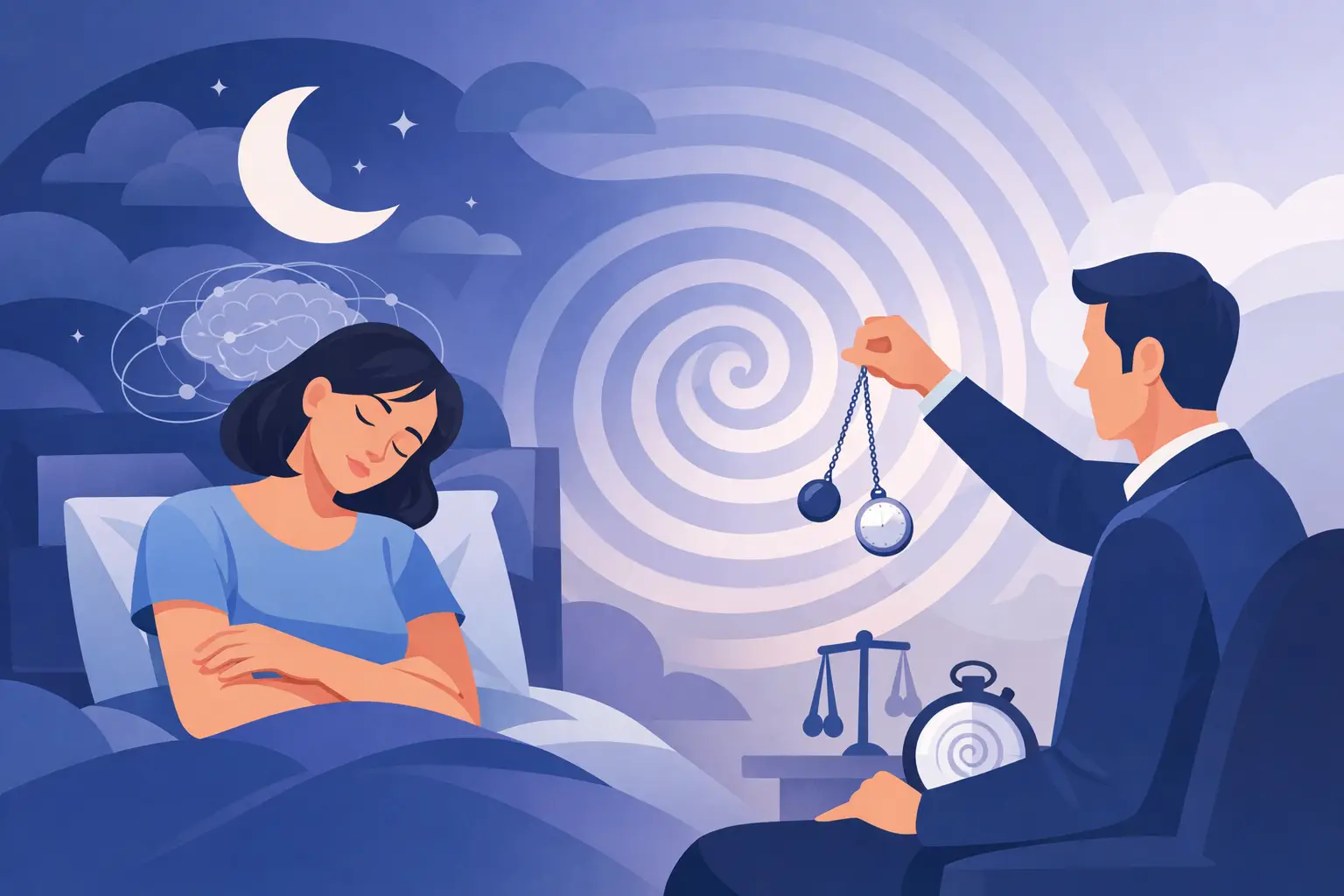
Hypnotherapy is not about being unconscious or losing control. In therapeutic hypnosis, you remain aware and able to respond. The aim is to create a calmer, more focused state in which we can explore the patterns behind panic and rehearse different responses to them.
For panic attacks, this may involve identifying the triggers that set the alarm off, including subtle ones. A trigger is not always obvious. It may be a crowded platform, a particular bodily feeling, lack of sleep, conflict, a difficult memory, or the pressure of needing to perform perfectly. Sometimes the original trigger is no longer relevant, but the nervous system has continued to react as if it is.
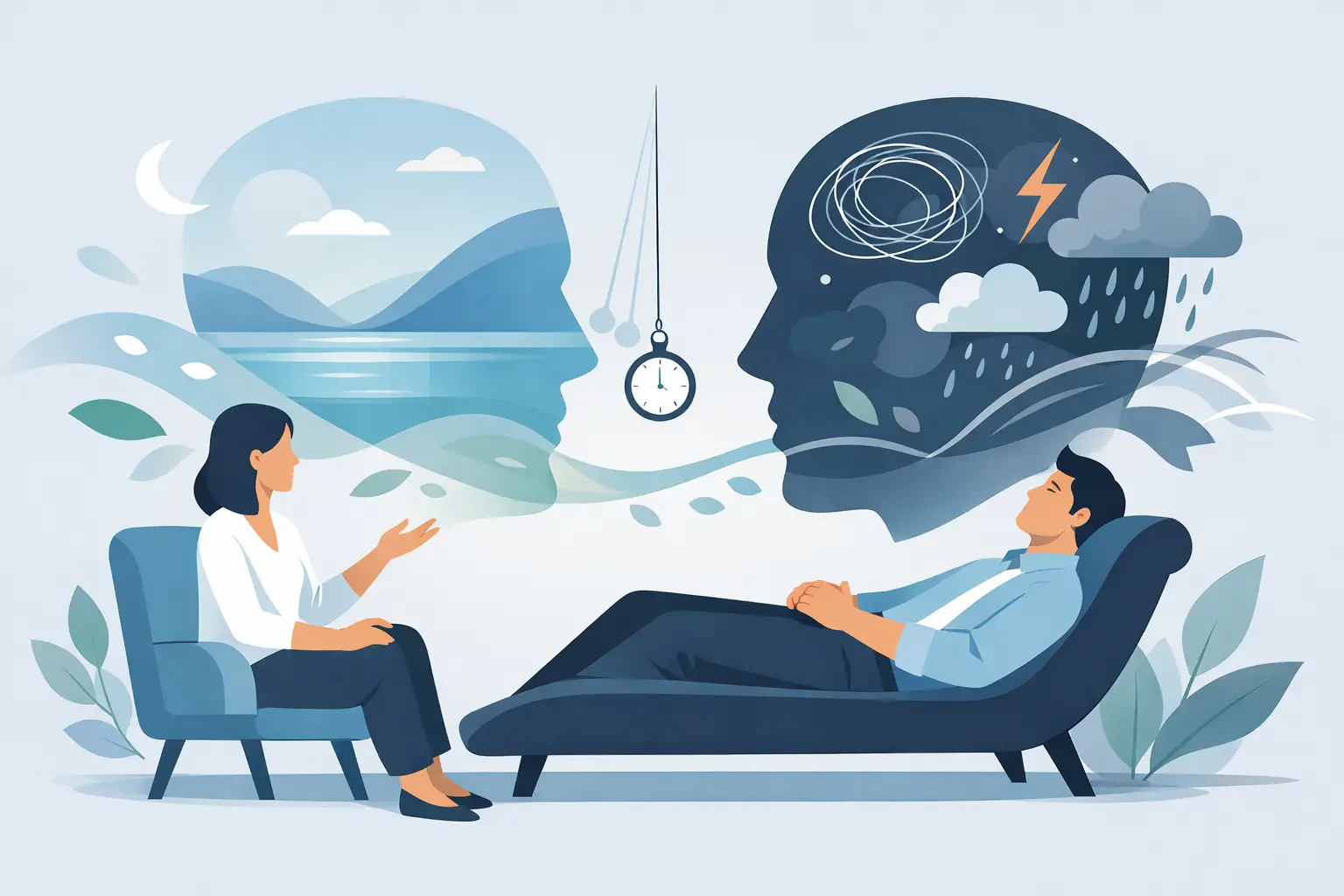
A tailored hypnotherapy session can help reduce the sense of threat attached to those cues. Rather than simply telling yourself to calm down when panic starts, you practise responding differently at a deeper, more automatic level. This might include settling the breath, loosening physical tension, shifting attention away from catastrophic predictions and reconnecting with the immediate environment.
The work is not about suppressing emotion. It is about helping your mind and body recognise the difference between discomfort and danger. A racing heart can be unpleasant without being harmful. A wave of anxiety can rise and pass without becoming a catastrophe. Repeatedly experiencing this distinction can weaken the panic cycle.
Changing the meaning of bodily sensations
Many people with panic attacks become understandably frightened of sensations such as dizziness, breathlessness, tingling, heat or a pounding heart. Hypnotherapy can help change the learned meaning attached to those sensations.
For example, someone may have had one panic attack during a demanding period at work, then begun to associate a rapid heart rate with losing control. In sessions, we may use focused imagery and cognitive techniques to help the person experience a faster heartbeat as a temporary sign of activation rather than evidence of danger. The wording and approach are always individual. What helps one person may not be right for another.
In our practice, we often see clients who have become highly skilled at anticipating the worst. Their minds scan for risk in an attempt to prevent another episode. This strategy makes sense when you have felt frightened and out of control, but constant scanning keeps the nervous system on alert. Therapy can help make that protective habit less necessary.
Building skills between sessions
Hypnotherapy is most useful when it is not confined to the therapy room. Clients are often given simple exercises to practise between sessions, such as a short relaxation recording, grounding techniques, visualisation or a way of responding to early anxiety without escalating it.
The purpose is not to make sure you never feel anxious again. Anxiety is a normal human response. The goal is to feel more able to notice it, regulate it and continue with what matters to you. For someone who has stopped taking the Underground alone, that may mean gradually returning to travel. For another person, it may mean staying in a meeting when they notice the first signs of panic rather than leaving immediately.
This gradual approach matters. Trying to force yourself through overwhelming situations can sometimes reinforce the fear if you feel trapped or unsupported. Equally, avoiding every trigger can make life smaller and teach the brain that the situation was dangerous. The right pace depends on your history, current stress levels, health and the severity of your symptoms.
An integrative approach for panic and anxiety
At City of London Hypnotherapy, sessions may draw on cognitive hypnotherapy alongside practical approaches such as Neuro Linguistic Programming, Emotional Freedom Technique and relaxation methods. These are not applied as a fixed formula. The starting point is understanding how your particular panic pattern developed and what maintains it now.
All people are different, but we see some who may be carrying high levels of pressure for a long time before panic appears. London professionals can be used to pushing through deadlines, disrupted sleep, commuting and family responsibilities. The body may cope for months or years, then begin to signal that it needs attention. Panic is not always caused by one dramatic event; it can emerge when stress, exhaustion and learned fears combine.
For others, panic is linked to a specific experience, such as being unwell in public, feeling trapped on a flight or having a previous frightening episode. In these cases, therapy may focus more directly on processing the association and creating a new expectation of safety. If low mood, trauma, substance use, medication changes or a physical health condition are also involved, these need to be considered carefully rather than treating panic in isolation.
What hypnotherapy cannot promise
It is reasonable to want quick relief when panic is affecting your work, relationships or freedom. Some people notice a shift early on, particularly once they understand the cycle and have tools to use. For others, change takes longer, especially if panic has been present for years or sits alongside broader anxiety, trauma or depression.
No responsible therapist can guarantee that panic attacks will disappear after a set number of sessions. Progress is influenced by the nature of the problem, how often attacks occur, your current circumstances and your willingness to practise new responses between appointments. The aim is practical and measurable: fewer attacks, less fear of symptoms, reduced avoidance and greater confidence in handling difficult moments.
It is also sensible to speak to your GP or seek urgent medical care for new, severe or unexplained chest pain, breathing difficulties, fainting, or symptoms that may have a physical cause. Hypnotherapy can complement appropriate medical and psychological support, but it is not a substitute for assessment where one is needed.
Regaining confidence after panic
Recovery is often less about never feeling the first flicker of anxiety and more about no longer treating it as an emergency. When you can notice the signs, use your skills and remain present, panic loses much of its authority. Each experience of coping gives your nervous system evidence that you are safe and capable.
“If you’re based in London and would like to explore this further, you can get in touch with us.”