A mid-afternoon urge for chocolate or biscuits can feel strangely urgent. You may have eaten a reasonable lunch, know you are not particularly hungry, and still find yourself heading towards the office kitchen or a delivery app. Learning how to reduce sugar cravings is not usually about finding more willpower. It is about understanding what that urge is doing for you in that moment.
For many people, sugar has become a quick way to change a feeling: to create a pause after a difficult call, lift low energy, soften boredom, or mark the end of a demanding day. That does not mean you have failed or lack discipline. It means your mind and body have learned that sweet food offers fast relief, even if the relief is short-lived.
Why sugar cravings can feel so hard to resist
A craving is different from ordinary hunger. Hunger tends to build gradually and is satisfied by a meal or filling snack. A craving is often specific and immediate: it wants something sweet, familiar and available now. It may be accompanied by a thought such as, “I deserve this,” or, “I just need something to get through the afternoon.”
When clients visit our practice, they could be feeling worn down by the constant negotiation around food. They may eat well for several days, then find that stress, tiredness or an evening alone leads to overeating. Afterwards, the guilt can be more upsetting than the food itself.
Sugar cravings can be influenced by several overlapping factors. Long gaps between meals, restrictive dieting and poor sleep can make the body seek rapid energy. Stress can make sweet food feel especially appealing because it offers a brief distraction and reward. Habit also matters: if you regularly have something sweet with a coffee, after dinner or on the journey home, the situation itself can begin to trigger the urge.
Some cravings are also linked to emotions that have not had much room elsewhere. A demanding role, caring responsibilities, loneliness, anxiety or pressure to keep functioning can all leave little space to notice how you actually feel. Food then becomes a private, reliable way to switch off for a few minutes.
How to reduce sugar cravings by changing the pattern
The most useful approach is usually not to ban sugar completely. Strict rules can make a food feel more charged, and one lapse can easily turn into an all-or-nothing response. Instead, aim to make cravings less automatic and give yourself more than one way to respond.
Eat regularly enough to avoid the energy crash
Start with the practical basics. If you often skip breakfast, work through lunch or rely on coffee until mid-afternoon, a powerful craving later in the day is not surprising. Regular meals that include protein, fibre and some fat tend to keep you fuller for longer than foods based mainly on refined carbohydrates.
This does not require a perfect meal plan. It might mean adding yoghurt and fruit to breakfast, choosing a lunch with protein and vegetables, or keeping a satisfying snack available before your usual slump. The aim is not to control every mouthful. It is to avoid arriving at the most difficult part of the day physically depleted.
Notice the moment before the craving
There is often a small gap between a trigger and reaching for food. At first, that gap may only be a few seconds. It is still enough to ask: what is happening here?
You might be genuinely hungry. You might be mentally exhausted, tense after a meeting, procrastinating over a task, or seeking comfort after a frustrating commute. Naming the trigger does not make the craving disappear immediately, but it gives you useful information. You can then decide whether food is what you need, rather than treating every urge as an emergency.
In our practice, we often see clients who have become very skilled at pushing through stress without acknowledging it. Their sugar cravings are sometimes one of the first signs that their system is overloaded. A sweet snack is not the underlying problem. It is often the quickest available response to the problem.
Create a pause that is realistic
A pause should be short enough to use on a busy day. Try stepping away from your desk, drinking water or tea, taking a few slower breaths, or walking outside for five minutes before deciding what to eat. The point is not to talk yourself out of food. It is to interrupt the usual sequence of feeling, reaching and eating.
If you still want the biscuit or dessert afterwards, you can have it more consciously. Sit down if possible, put it on a plate rather than eating from a packet, and notice whether it is actually satisfying. This can sound simple, but it begins to weaken the link between a particular emotion and automatic eating.
Plan for your predictable trigger times
All people are different, but we see some who may be particularly vulnerable to cravings at 3pm, after work, or late at night when the house is finally quiet. These are not random weaknesses. They are recurring contexts, which means they can be planned for.
If your difficulty is the journey home, a filling snack before you leave work may help. If it is the hour after dinner, consider what you need from that time besides food: a shower, a change of clothes, a brief walk, a phone call, or a simple routine that signals the day is over. If you tend to snack while working, make the first step easier by moving tempting foods out of immediate reach and keeping an alternative nearby.
Environment is not everything, but it matters when you are tired. Reducing friction around a new choice can be more effective than relying on motivation at 9pm.
Look at the thoughts that keep the cycle going
Sugar cravings are frequently strengthened by rigid thinking. “I have already ruined today” can lead to more eating than the original craving ever would. “I must never have sugar” can make a normal desire feel dangerous. Both thoughts create pressure.
A more balanced response might be: “I ate more than I intended. I can still have a normal dinner.” Or: “I want something sweet because I am stressed. I can choose what happens next.” This is not about pretending the urge is pleasant. It is about reducing the shame and panic that can make it stronger.
For some people, keeping a brief note for a week is revealing. Record the time, what you wanted, how hungry you were and what was happening beforehand. Patterns often emerge quickly. You may find that the issue is less about a lack of self-control and more about under-eating, difficult emotions, fatigue or a particular habit loop.
When deeper support may help
If sugar feels compulsive, is regularly followed by guilt or secretive eating, or seems closely tied to anxiety, low mood or body image, it can be helpful to speak with a qualified professional. The goal is not to make food another area of pressure. It is to understand the pattern with care and work on the emotional and behavioural drivers beneath it.
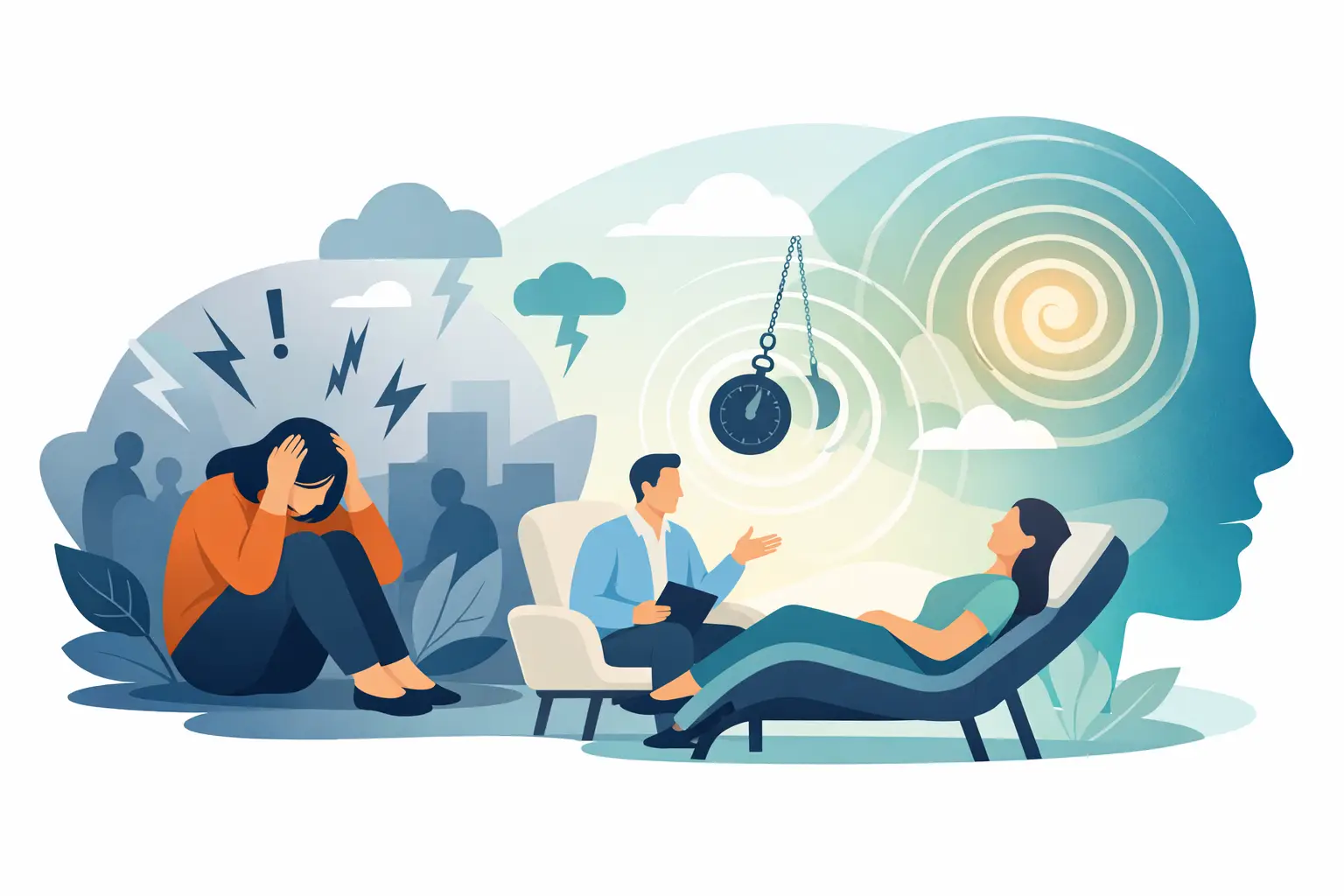
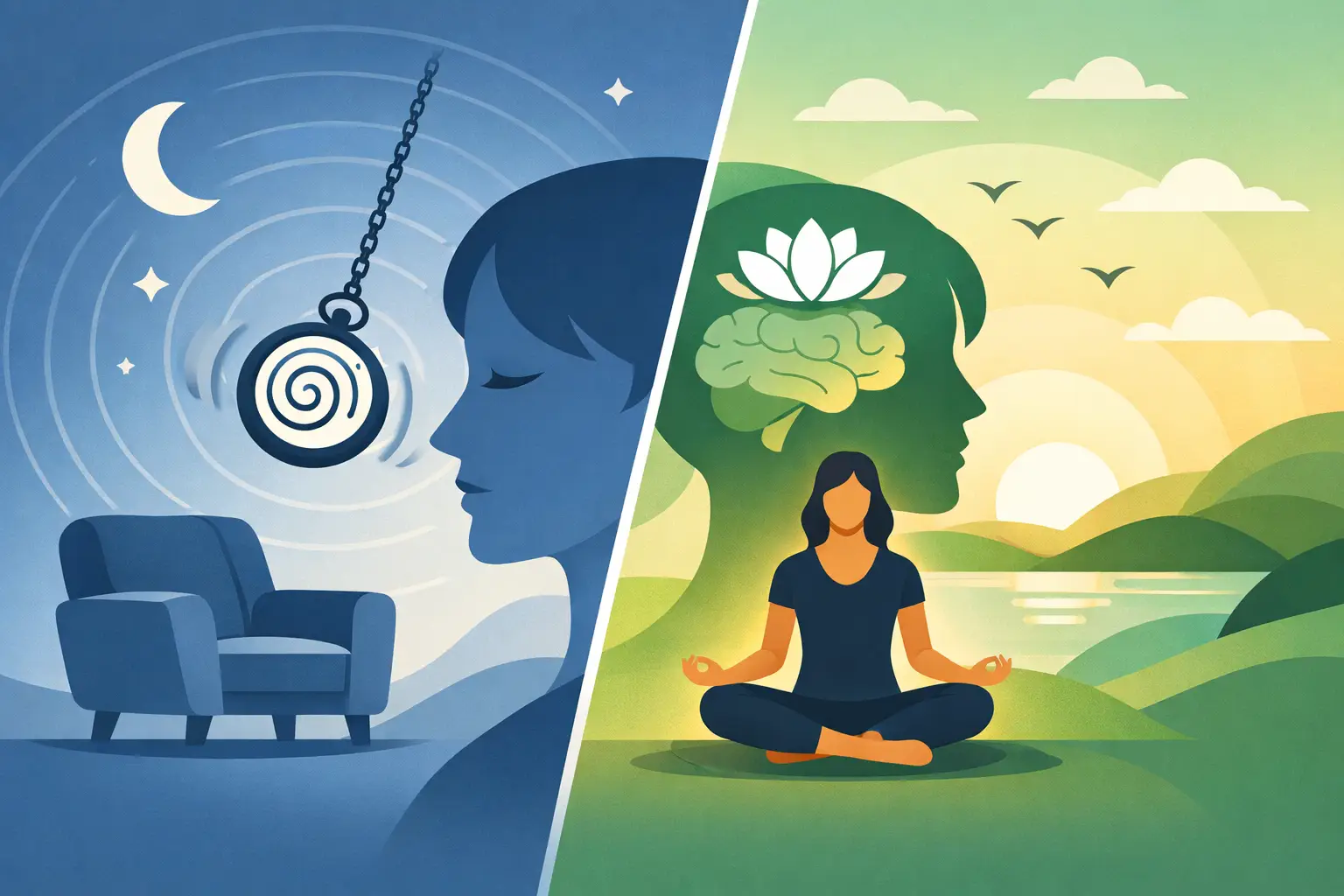
Hypnotherapy can be useful for people who understand what they want to do but find themselves repeating the same response under stress. At City of London Hypnotherapy, sessions are tailored to the person rather than based on a standard script. Depending on what is maintaining the cravings, the work may involve reducing stress responses, changing unhelpful associations, building confidence in different choices, and practising tools between sessions.
It is also sensible to speak with your GP or a registered dietitian if cravings are accompanied by significant changes in appetite, weight, mood or energy, or if you are concerned about binge eating. Physical health, medication and hormonal changes can all affect appetite, and these deserve proper consideration.
The aim is not to become someone who never wants a dessert. It is to reach a point where a craving is simply information, not a command. With enough regular nourishment, a little more awareness and support for the stress beneath the habit, sweet food can take up far less mental space.
If you’re based in London and would like to explore this further, you can get in touch with us.