A craving can arrive at an inconveniently precise moment: after a difficult meeting, on the walk home, while cooking dinner, or when you finally stop moving. The best approaches to alcohol cravings are rarely about simply forcing yourself to be stronger. They involve understanding what the urge is trying to solve in that moment, making a practical plan, and getting the right support where drinking has begun to feel difficult to control.
For many high-functioning people, alcohol has become linked with switching off. It may soften anxiety, create a boundary between work and home, ease loneliness, or quiet a racing mind before bed. That does not mean you lack willpower. It means your mind has learned that alcohol offers quick relief, even if the longer-term effect is poor sleep, lower mood, guilt or a growing sense of dependence.
Why alcohol cravings can feel so compelling
A craving is not just a thought such as, “I fancy a drink.” It can be a learned response involving your body, emotions, surroundings and routines. If you regularly drink at 7pm after a pressured day, your brain begins to anticipate the reward before you have poured anything. The time, place and feeling can become cues in their own right.
Cravings also tend to feel urgent, but they are temporary. They often rise, peak and reduce within a relatively short period if they are not acted upon. This does not make them pleasant, particularly at first, but it is useful to know that an urge is a passing state rather than an instruction you have to follow.
When clients visit our practice, they could be feeling frustrated that they can manage demanding work, family responsibilities and other parts of life, yet still feel pulled towards alcohol in the evening. Some have tried setting rules for themselves, only to find that stress, tiredness or a social occasion makes those rules hard to maintain. The aim is not to judge that pattern. It is to understand it clearly enough to change it.
The best approaches to alcohol cravings start with triggers
A useful first step is to notice what comes just before the craving. For one person, it may be the tense feeling after an email from a manager. For another, it is arriving home to an empty flat, or the familiar expectation of a drink with a meal. Hunger, fatigue and poor sleep can also make an urge feel stronger.
For a week or two, make a brief note when a craving appears: the time, where you are, what happened beforehand, how you felt, and what you did next. There is no need to turn this into a lengthy diary. A few honest observations can reveal a pattern that has previously felt random.
Once you can see the pattern, you can plan for it. If the hardest period is between finishing work and eating dinner, do not leave that time unstructured and hope for the best. Decide in advance what will happen instead. That might mean a meal prepared earlier, a walk before going home, a call with a friend, a gym class, or a non-alcoholic drink you genuinely enjoy. The replacement does not need to be perfect. It needs to be available at the moment your usual routine would begin.
Create space between the urge and the decision
Trying to argue with a craving can sometimes make it louder. A calmer approach is to name what is happening: “I am having an urge to drink because I feel overwhelmed.” This separates the feeling from your identity and creates a little room to choose your response.
You might then use a short delay. Tell yourself that you will wait 20 minutes before deciding. During that time, drink water, eat something if you have not eaten, change rooms, take a shower, or step outside. These actions are not designed to distract you from a serious problem. They help your nervous system settle enough for you to respond rather than react.
A singular intense craving typically peaks within 3 to 5 minutes. The urgency you feel is real, but it is temporary. If you can stay with that discomfort without acting on it for just 5 minutes by staying put, breathing slowly, or changing rooms, the intensity usually drops. This isn’t about distraction. It’s about your nervous system learning through experience that the craving can pass without you giving in.
In our practice, we often see clients who have spent years treating an urge as proof that they will eventually give in. Learning to stay with a craving without immediately acting on it can be a significant shift. It builds confidence through experience: the feeling can be uncomfortable, and it can still pass.
Address the need beneath the drink
Alcohol may be serving several functions at once. It can be a reward, a sedative, a social shield or a way of avoiding difficult feelings. Reducing cravings is therefore not only about removing alcohol. It is also about developing other ways to meet the underlying need.
If drinking is mainly connected with stress, the focus may be on how you decompress before reaching the point of overload. If it is linked with social anxiety, it may help to work directly with the anxiety rather than relying on alcohol to get through events. If boredom or loneliness is central, the answer may involve more structure and connection, though this can take time to build.
All people are different, but we see some who may be drinking less for enjoyment than for relief. That distinction matters. A person who uses alcohol to settle an anxious body at night may need practical support with anxiety, sleep and emotional regulation, not another lecture about moderation.
What is your drink doing? Understanding the four patterns
Alcohol is rarely doing just one thing. But understanding which function is primary helps you plan.
Pattern 1: Alcohol as sedative (for sleep/racing thoughts) If you drink to quiet your mind at night, you’re using alcohol to regulate your nervous system. The problem: alcohol disrupts sleep architecture, leading to worse insomnia and more nighttime racing thoughts. The solution isn’t “drink less alcohol.” It’s developing other ways to calm your nervous system before bed breathing exercises, limiting screen time, addressing the anxiety beneath the racing thoughts. If racing thoughts are tied to anxiety, perfectionism, or hypervigilance, that’s what needs treating, not just the alcohol use.
Pattern 2: Alcohol as stress relief (after pressure) You manage demanding work all day, get home, and reach for a drink to switch off. Your brain has learned: pressure + alcohol = relief. The problem: you’re not learning to decompress without it, so stress compounds and cravings intensify. The solution: build decompression time BEFORE you reach the craving point. This might be a workout, a walk, time alone, a meal, something that gives your nervous system space to land before the urge hits.
Pattern 3: Alcohol as social lubricant (for anxiety) You drink to feel more confident in social situations, to ease anxiety, to have something to do with your hands. The problem: you’re not building actual social confidence or tolerance for social discomfort. The solution: this isn’t about drinking less at parties. It’s about working with the underlying social anxiety so you don’t need alcohol to feel okay around others.
Pattern 4: Alcohol as escape (from difficult emotions) You drink when you’re sad, lonely, bored, or facing something difficult. Alcohol numbs you temporarily. The problem: you’re not learning to feel or process those emotions, so they stay stuck and cravings return. The solution: this is where therapy or support groups matter most. You need help developing the emotional regulation skills alcohol has been replacing.
Be realistic about your environment and social life
Early change is easier when you reduce unnecessary friction. Keeping alcohol out of the house can be helpful for some people, while others prefer to practise making a different choice around it. It depends on your history, your level of control and whether having alcohol available is likely to lead to drinking more than intended.
It can also help to be straightforward with selected friends or colleagues. You do not owe anyone a detailed explanation. A simple “I am taking a break from drinking” is enough. If work events are a particular trigger, arrive with a plan: know how long you will stay, have a non-alcoholic option in hand, and arrange your journey home before the evening gets going.
Avoiding every social situation is rarely a sustainable answer. But choosing lower-pressure settings for a while can give you time to establish new habits. The goal is to make your choices feel more deliberate, not to shrink your life.
When tailored therapeutic support may help
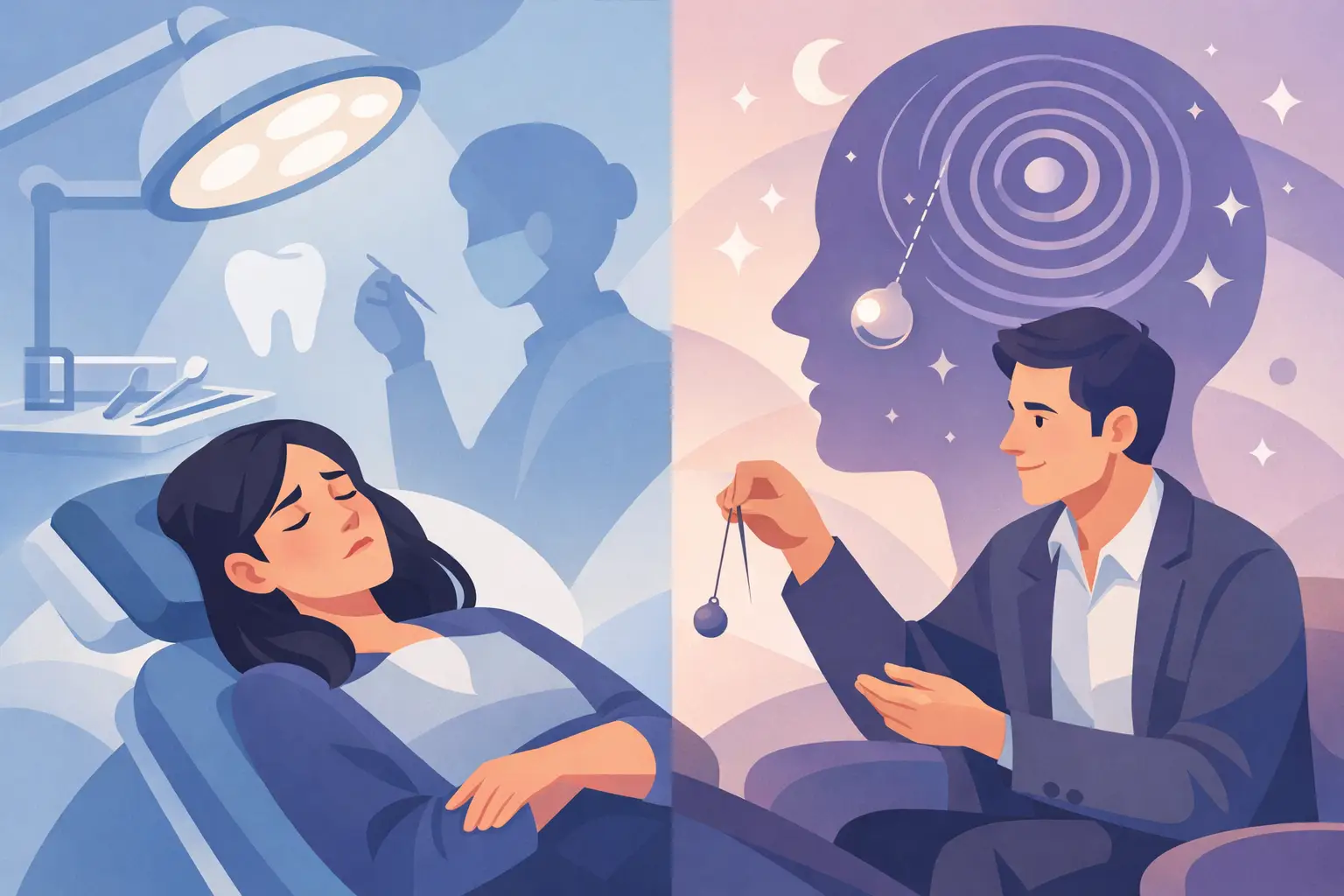
If alcohol cravings are tied to anxiety, low mood, trauma, confidence, insomnia or a long-standing habit, one-to-one therapy can offer a more individual route. Cognitive hypnotherapy may help explore the associations, beliefs and automatic responses that keep the pattern in place. It is not about making you do something against your will. The work is collaborative and focused on the changes you want to make.
Sessions may also draw on practical techniques for calming physical stress responses, changing unhelpful internal patterns and rehearsing a different response to familiar triggers. For some clients, this sits alongside support from a GP, counselling or a specialist alcohol service. There is no single method that suits everybody, particularly when alcohol has been part of life for a long time.
Alcohol dependence isn’t always obvious and withdrawal is serious
Physical alcohol dependence develops based on regular use and how long you’ve been drinking, not on quantity or when you drink. You can develop dependence drinking moderately but consistently like one or two drinks every evening for months or years.
Signs you may be physically dependent include: feeling unable to relax without alcohol, needing alcohol earlier in the day as time goes on, experiencing anxiety or restlessness if you don’t drink, hiding how much you’re drinking, or trying to cut back but finding you can’t stick to it.
If you’ve been drinking regularly for weeks or months, your body has adapted to alcohol. Suddenly stopping can cause withdrawal: shakiness, sweating, severe anxiety, nausea, or in dangerous cases, seizures or confusion. This is why it’s essential to speak with your GP or a medical professional before you stop or cut back significantly. They can assess whether medically supervised detox is needed. This isn’t about shame. It’s about safety. The earlier you get medical support, the more options you have.
“If you’re based in London and would like to explore this further, you can get in touch with us.”
FAQs
How do I know if I’m addicted versus just drinking too much?
Addiction (alcohol use disorder) involves losing control despite consequences. Addiction looks like: needing alcohol to feel okay, unable to stick to self-imposed limits, drinking more than intended, hiding how much you drink, prioritizing alcohol over responsibilities, continued drinking despite negative effects. Heavy drinking without dependence is different, you can cut back if you decide to. Addiction means you decide to cut back and can’t. Another sign of addiction: withdrawal symptoms (anxiety, shakiness, trouble sleeping) when you don’t drink. If you’re regularly drinking to manage stress, sleep, or emotions, and you’ve tried cutting back without success, that’s a signal to seek support, not a moral failing.
Why do cravings come back after weeks or months of not drinking?
Your brain has been conditioned: certain times, places, emotions, or people = craving. Even after weeks of sobriety, an old trigger (stressful day, seeing a friend who drinks, passing your usual bar) can reactivate the craving pattern. This doesn’t mean you’re failing or that you’ll inevitably relapse. It means your brain still remembers the association. With ongoing support therapy, new coping strategies, addressing underlying anxiety or sleep issues, these triggered cravings become less intense and less frequent. They’re a sign that more work is needed, not that you’ve lost progress.
Is alcohol addiction a disease or a choice?
Both matter. Addiction involves brain changes alcohol rewires dopamine pathways and prefrontal cortex regulation, particularly if you’ve been drinking heavily or for a long time. These changes are real and make it harder to “just stop.” But choosing to seek support, build new strategies, and work with your triggers is also real. The brain can rewire through consistent new patterns, therapy, and addressing underlying mental health (anxiety, depression, insomnia). Framing it as purely a “disease” can feel hopeless. Framing it as purely a “choice” ignores the neurology. The most helpful frame: you have a condition that’s changed your brain, AND you can change it again with the right support.
Can I ever drink moderately again?
For some people, yes. For others, no and that’s not failure, it’s wisdom. If alcohol has become tied to emotional regulation (your way of managing stress, anxiety, or racing thoughts), moderate drinking is usually impossible because the trigger (stress, emotion) will pull you toward using it as your tool again. If you drank heavily for many years, your brain’s reward systems and stress regulation have adapted casual drinking may not satisfy that adaptation, so you’ll find yourself escalating. Some people who address the underlying emotional issue (anxiety management, sleep support, stress decompression) can eventually drink moderately. Others find that abstinence is simpler and more sustainable. There’s no shame either way. The goal is a life where you’re not managing cravings or negotiating with yourself about alcohol.
What if I’m too embarrassed to ask for help?
Shame is the thing keeping most people stuck, not the drinking. The moment you speak to a professional (GP, therapist, or a support group), you stop being alone with it, and the shame usually drops. Many high-functioning people have reached out with the same story: “I manage everything else, so why can’t I manage this?” Professional support isn’t a failure. It’s a tool, like asking for help with anything complex. Your GP has seen this pattern hundreds of times and has no judgment. A therapist understands that using alcohol to manage emotions isn’t a character flaw, it’s a learned strategy that needs to be replaced with better ones. A support group connects you with people who “get it” in a way others can’t. The longer you wait, the more entrenched the pattern becomes. The earlier you speak up, the more options you have.