You may have told yourself you just need a weekend off, a proper night’s sleep, or a quieter week at work. Yet burnout rarely responds to small fixes once it has taken hold. If you are searching for the best help for burnout recovery, it usually means the usual coping methods are no longer enough, and your mind and body are asking for something more deliberate.
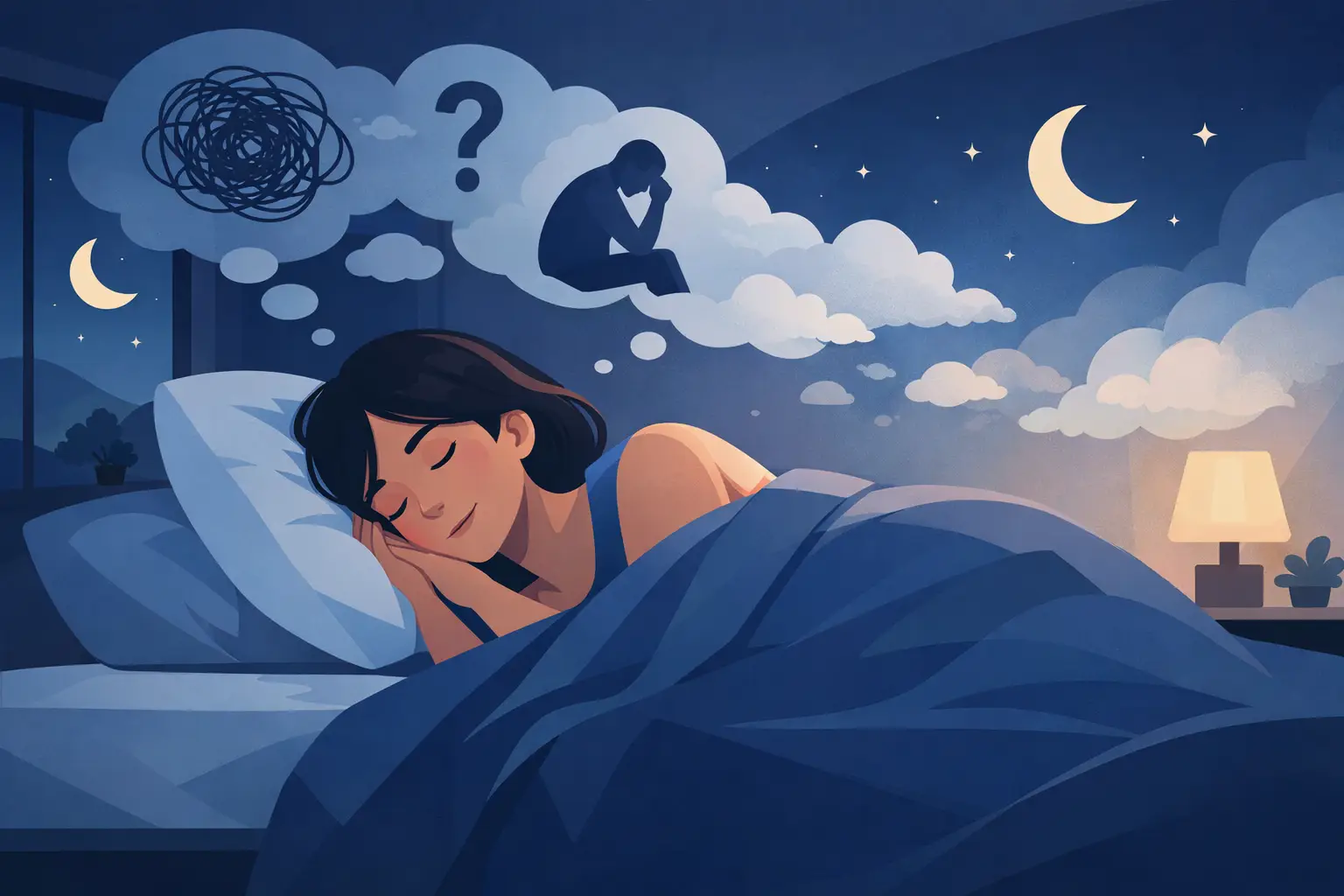
Burnout is not simply tiredness. It often shows up as emotional flatness, irritability, poor concentration, disrupted sleep, anxiety, low motivation, and a growing sense that even simple tasks feel heavy. For many professionals in London, it develops gradually. You keep functioning, keep turning up, and keep meeting expectations, while privately feeling less and less like yourself.
What the best help for burnout recovery really involves
The most effective support for burnout is rarely one single thing. It is usually a combination of rest, nervous system regulation, honest assessment of what has been driving the strain, and practical changes that can actually hold in real life. That matters because burnout often has layers. Work pressure may be part of it, but so can perfectionism, people-pleasing, unresolved anxiety, poor boundaries, sleep disruption, or long periods of running on adrenaline.
When clients visit our practice, they could be feeling exhausted but unable to switch off, tearful for no clear reason, or strangely detached from work and home life. Some worry they are becoming lazy or incapable. Others fear they are close to a breakdown. In reality, many are dealing with a system that has been overextended for too long.
The best help tends to start by recognising that burnout is both psychological and physical. You cannot think your way out of it if your body is still stuck in a stress response. Equally, time off alone may not resolve it if the underlying patterns remain unchanged.
Why quick fixes often fall short
There is a common temptation to treat burnout as a short-term productivity issue. People try supplements, stricter routines, another app, or a brief holiday. Those things may help at the edges, but they often do not reach the core problem.
If your stress response has become chronic, your sleep may be lighter, your thoughts more negative, and your threshold for everyday pressure far lower than it used to be. In that state, even sensible advice can feel hard to follow. You may know you need rest, but still feel guilty when you stop. You may know your workload is unsustainable, but still say yes to one more request.
This is where tailored therapeutic support can be especially useful. Rather than offering generic advice, it helps you understand the pattern you are caught in and gives you ways to interrupt it.
Best help for burnout recovery in practice
A good starting point is to ask what is maintaining the burnout now, not just what caused it months ago. For some, the main issue is relentless workplace demand. For others, it is internal pressure – the feeling that slowing down is unsafe, selfish, or weak. All people are different, but we see some who may be outwardly highly capable while inwardly anxious, over-responsible, and unable to recover properly between periods of effort.
In our practice, we often see clients who…
have spent years coping well enough that nobody around them realises how strained they feel. They are still performing, still responding to messages, still getting through the week, but with far more effort than before. Burnout at this stage can look deceptively functional.
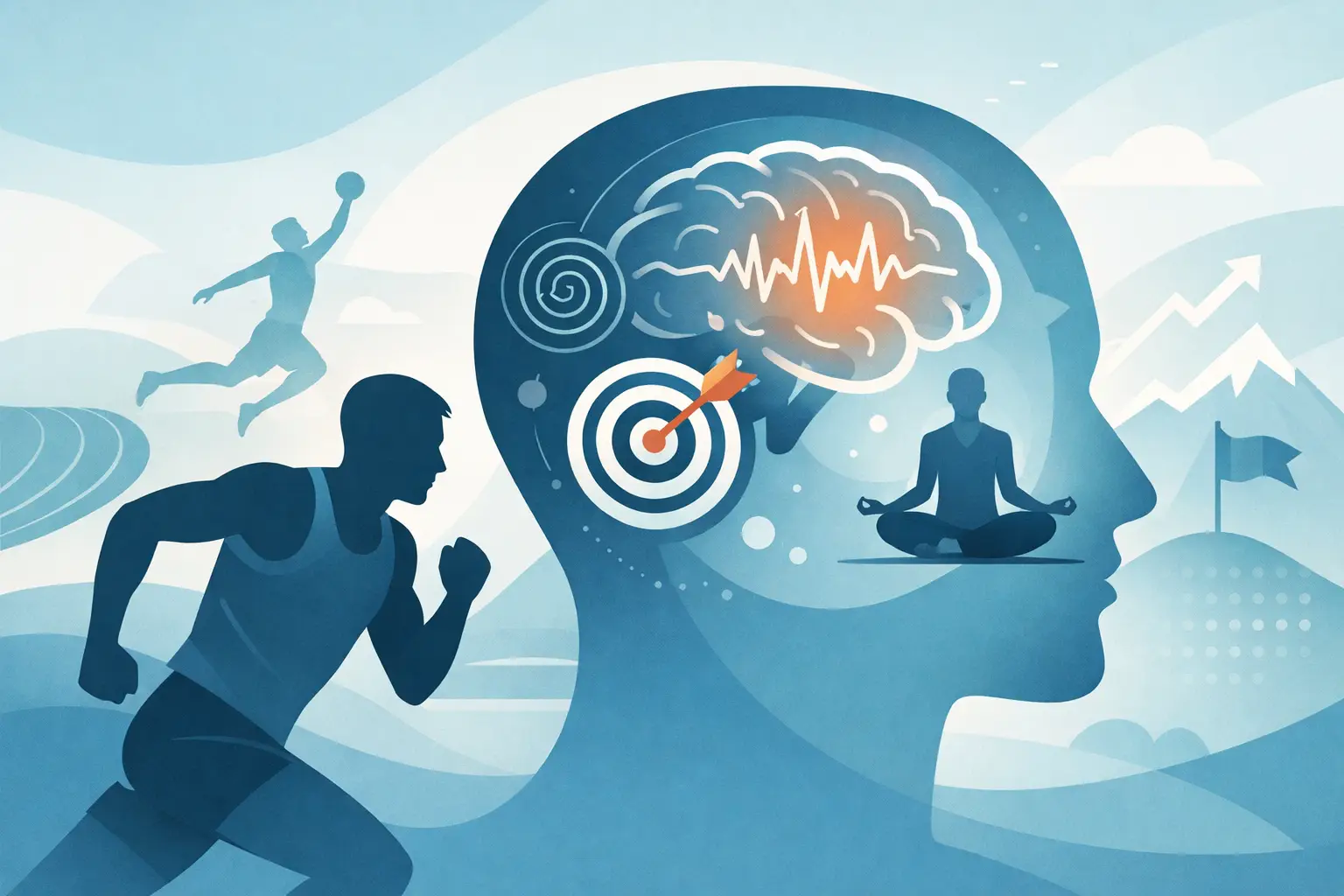
Helpful recovery work usually includes three parts. The first is calming the nervous system so your body is no longer constantly braced. The second is identifying the mental and emotional habits that keep the strain going. The third is building practical ways of working, resting, and responding that are realistic for your circumstances.
This is one reason integrative therapy can be useful for burnout. Cognitive hypnotherapy, for example, is not about passivity or losing control. Used properly, it can help reduce mental overactivation, soften unhelpful patterns, and support a calmer internal state. For someone who feels perpetually on edge, that can create the conditions for better sleep, clearer thinking, and improved emotional steadiness.
Complementary approaches such as NLP or EFT may also help, depending on the person. If someone is carrying a strong emotional charge around work, conflict, or performance pressure, these methods can sometimes reduce the intensity more quickly than talking alone. That does not mean every method suits every client. It depends on what you are experiencing, how your burnout presents, and what kind of support you respond to best.
What recovery should feel like
Real recovery from burnout is often quieter than people expect. It is not usually a sudden rush of motivation. More often, it begins with small but meaningful signs. You wake feeling less dread. Your mind is not racing quite so early. You can read a page and remember it. You are less reactive with people close to you. You can rest without feeling such a strong urge to justify it.
These changes matter because burnout can distort your sense of self. Many people start to believe they have lost their edge permanently. In fact, what they have often lost is access to their natural capacity because their system has been overwhelmed.
Recovery is also not linear. Some weeks feel steadier, others feel frustratingly familiar. That does not always mean you are going backwards. It may simply mean your system is adjusting, and that deeper patterns are being uncovered. A realistic approach is more helpful than a perfect one.
What to avoid when you are burnt out
It helps to be careful with advice that frames burnout as a motivation problem. If you are already depleted, pushing harder can deepen the cycle. Equally, trying to solve everything at once can become another burden.
A more grounded approach is to reduce unnecessary strain first. That may mean looking honestly at workload, sleep, stimulants, alcohol, constant availability, or the habit of filling every spare moment. It may also mean noticing where your standards have become punishing rather than useful. High standards are not the issue by themselves. The difficulty comes when they leave no room for recovery, flexibility, or being human.
Be cautious, too, of comparing yourself with others. Burnout is shaped by temperament, history, health, environment, and pressure. Someone else’s solution may not fit your life. The best help is often specific, not universal.
When professional support makes sense
If burnout has been going on for some time, or if it is affecting your sleep, relationships, confidence, health, or ability to function, it is sensible to seek support rather than waiting until things get worse. The right support should feel containing, practical, and tailored. You should come away with a clearer understanding of what is happening, not simply more information.
For some people, that support may sit alongside input from a GP or other medical professional, especially where symptoms overlap with anxiety, depression, hormonal issues, or chronic fatigue. Burnout is not always straightforward, and it is worth taking a broad, sensible view.
Therapy can be particularly valuable if you recognise that this is not the first time you have reached this point. Repeated burnout often suggests an underlying pattern rather than a one-off difficult season. Addressing that pattern can make a meaningful difference, not only now but in how you manage pressure in future.
There is no single best help for burnout recovery for every person. But in our experience, the strongest results tend to come from support that is personalised, calm, and focused on both relief and lasting change. That means helping you feel better in the short term while also understanding why your system became overwhelmed in the first place.
If you have been holding things together outwardly while feeling increasingly depleted inside, that deserves proper attention. Burnout is not a personal failing, and it is not something you have to simply push through.
“If you’re based in London and would like to explore this further, you can get in touch with us.”