A difficult night rarely begins at bedtime. It often starts with the unanswered email at 6pm, the commute home, a mind still rehearsing tomorrow’s meeting, or the habit of checking your mobile phone once more when you are already tired. This guide to better sleep habits is for people whose bodies feel ready for rest, while their thoughts have not yet received the message.
For many busy adults, sleep becomes another thing to get right. That pressure can make the problem worse. A more useful aim is to create conditions that make sleep more likely, while reducing the habits that teach your mind to associate bed with alertness, worry or frustration.
Why good intentions are not always enough
Sleep is not simply a matter of being tired. Your sleep pattern is influenced by timing, light exposure, stress levels, caffeine, alcohol, your environment and the associations you have built around bedtime. If you regularly work, scroll, worry or problem-solve in bed, your mind can begin to treat the bedroom as a place to stay switched on.
When clients visit our practice, they could be feeling exhausted but strangely wired. They may fall asleep quickly and wake at 3am with a racing mind, or spend hours trying to force sleep before an early train, presentation or demanding day. The more they monitor the clock and calculate the consequences of poor sleep, the more alert they often become.
All people are different, but we see some who may be caught in a cycle of poor sleep and increasing anxiety about sleep itself. The first useful step is to separate the two. A bad night is unpleasant, but it is not necessarily evidence that something is seriously wrong, nor does it mean the next night will be the same.
A guide to better sleep habits: start with rhythm
Your body responds well to a reasonably predictable rhythm. This does not mean a rigid routine that leaves no room for dinners out, shift work or family commitments. It means giving your internal clock clearer signals most of the time.
A consistent wake-up time is often more helpful than trying to enforce an early bedtime. Choose a waking time that is realistic for your weekday life and keep it broadly similar at weekends. A lie-in after a poor night can feel necessary, but sleeping far later than usual may make it harder to feel sleepy at a suitable time the following evening.
Morning daylight also matters. Try to get outside soon after waking, even for a short walk to the station or around the block. Natural light tells the body that the day has begun and helps support a clearer distinction between daytime alertness and evening wind-down.
If you nap, consider whether it is helping or prolonging the problem. A short nap can be useful after an unusually difficult night, but long or late-afternoon naps can reduce your sleep pressure by bedtime. There is no universal rule, but if falling asleep at night is your main difficulty, reducing naps for a couple of weeks can be a worthwhile experiment.
Build a wind-down your mind can believe
Many people stop working at one moment and expect sleep at the next. Yet the nervous system does not always respond to a calendar notification. A wind-down period of 30 to 60 minutes gives your mind and body time to move out of task mode.
The activity itself can be simple: a shower, gentle stretching, reading something undemanding, listening to quiet music, preparing clothes for the morning or writing a brief list of tomorrow’s tasks. The point is not to create a perfect evening ritual. It is to repeat a small sequence often enough that it becomes a familiar cue for rest.
In our practice, we often see clients who have made bedtime the only quiet moment in their day. Once the lights are out, worries finally have space to surface. If this sounds familiar, try giving concerns a place earlier in the evening. Write down what is on your mind, identify one practical next step where possible, then consciously leave the rest for another time. This will not remove every thought, but it can reduce the feeling that bedtime is the only opportunity to think.
Screens are not automatically disastrous, but they can be unhelpful when they keep you emotionally or mentally engaged. News, work messages, social media and fast-paced programmes can all raise alertness. If you use a mobile phone as part of your evening, set a clear stopping point and keep it away from the bed if you can. The trade-off is convenience against sleep protection, and for people with insomnia, that boundary is often worth making.
Be thoughtful about caffeine, alcohol and exercise
Caffeine can remain in the system for longer than people expect. A mid-afternoon coffee may have little effect on one person and noticeably delay sleep for another. Rather than assuming you must give it up, test an earlier cut-off time for two weeks and observe the pattern. For many people, avoiding caffeine after lunch is a sensible starting point.
Alcohol may make you feel drowsy initially, but it can fragment sleep later in the night and contribute to early waking. This is particularly relevant if you find yourself waking hot, restless or anxious after drinking. A few alcohol-free evenings can offer useful information about what is affecting your sleep.
Regular movement supports sleep, especially if much of your work is sedentary. It does not have to mean intense training. Walking, swimming, cycling or any activity you can sustain is useful. Vigorous exercise late at night suits some people but leaves others feeling overstimulated, so notice your own response rather than following a strict rule.
What to do when you cannot sleep
The instinct is often to stay in bed and try harder. Unfortunately, effort is the opposite of what sleep requires. If you have been awake for a while and feel increasingly frustrated, get up and do something quiet in low light until you feel drowsier. Avoid checking the time repeatedly, as this tends to turn wakefulness into a performance calculation.
Return to bed when you feel sleepy rather than simply because you think you should be asleep. Repeating this gently helps rebuild the association between bed and sleep. It may feel inconvenient at first, particularly if you are tired, but lying awake for long periods can reinforce the very pattern you want to change.
Try not to make major decisions in the night. A concern that feels urgent at 3am often feels more manageable after daylight, food and a little distance. If a thought keeps returning, write down a few words and give yourself permission to revisit it tomorrow.
When stress is sitting underneath the sleep problem
Sometimes sleep habits are only one part of the picture. Anxiety, burnout, grief, trauma, low mood, chronic pain, hormonal changes, IBS, relationship strain or performance pressure can all disturb sleep. In these situations, better routines may help, but they may not address the reason your system is staying on guard.
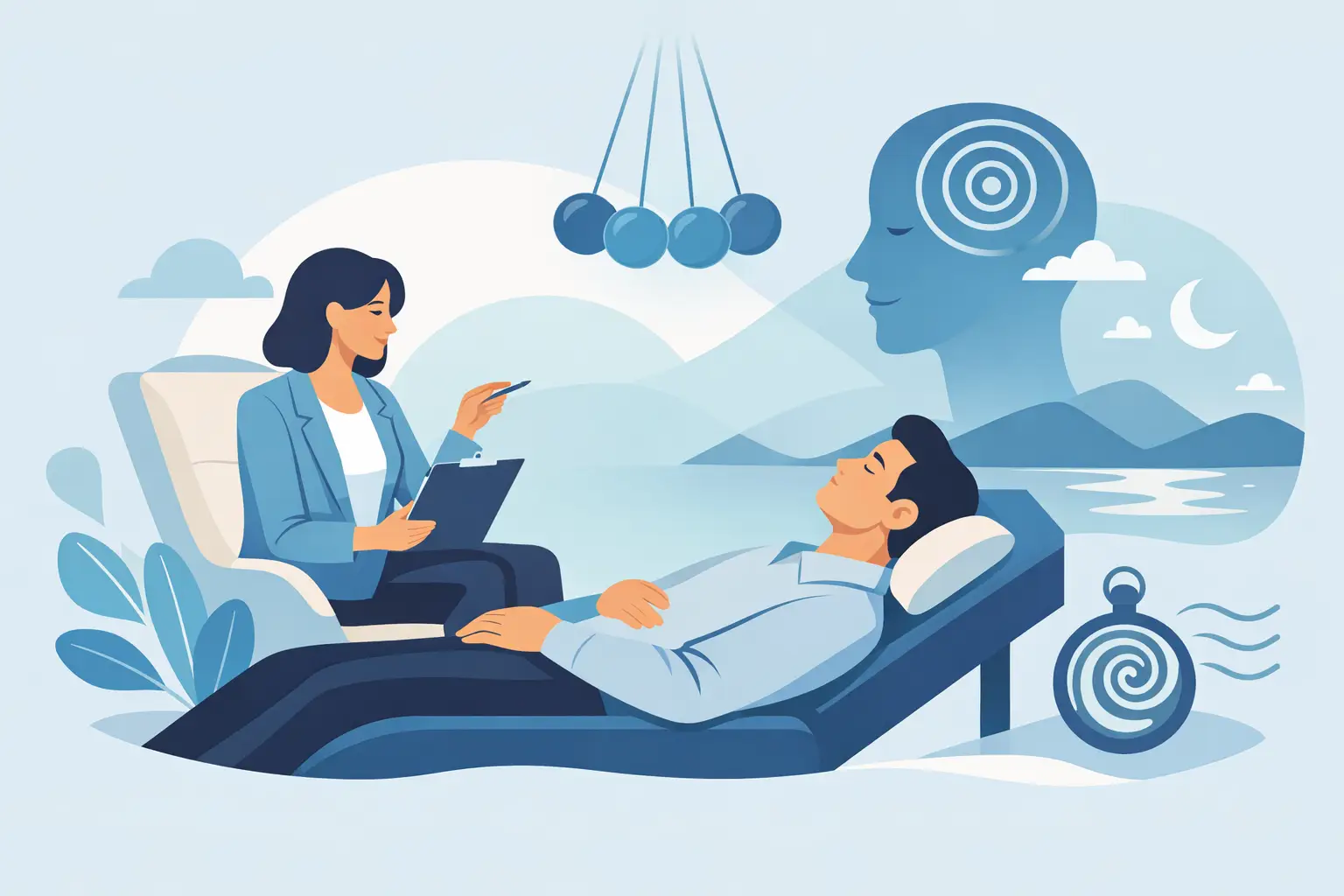
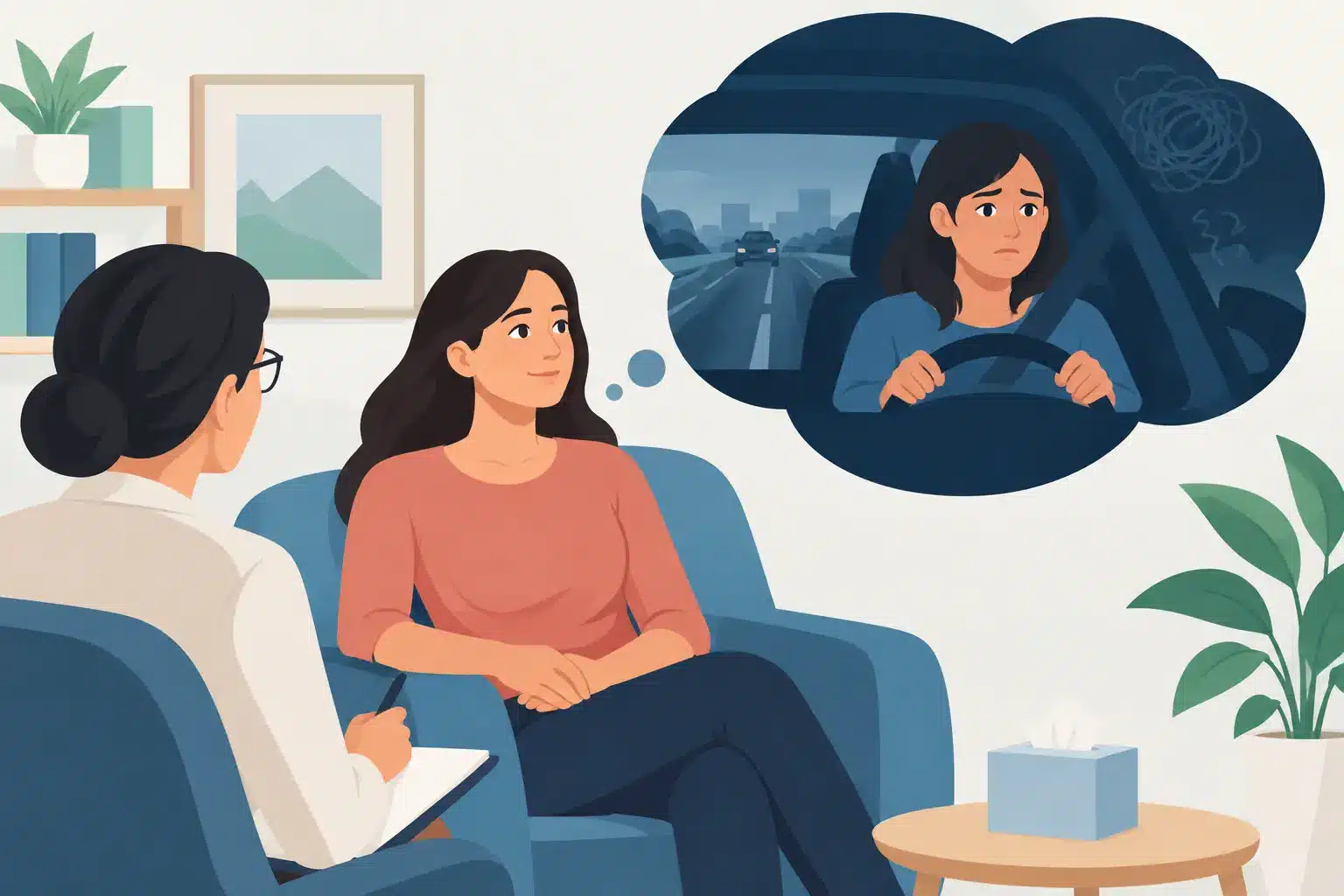
Hypnotherapy can be useful where sleep difficulty is closely linked with anticipatory anxiety, racing thoughts or an ingrained pattern of alertness at night. At City of London Hypnotherapy, sessions are tailored to the person rather than reduced to a standard sleep script. The work may include relaxation techniques, cognitive strategies and practical ways to respond differently to the thoughts and sensations that keep sleep difficult.
It is also sensible to speak with your GP if insomnia is persistent, severe or accompanied by symptoms such as loud snoring, breathing pauses, unusual movements during sleep, significant daytime sleepiness or a marked change in mood. Sleep problems can have medical as well as emotional causes, and both deserve proper attention.
Give change enough time to work
A week of better habits may not immediately undo months or years of disrupted sleep. Aim for consistency rather than perfection. Notice small improvements: falling asleep with less tension, spending less time clock-watching, recovering more calmly after a wakeful night, or feeling less fearful of bedtime.
The goal is not to control every night. It is to help your mind and body regain confidence in their ability to rest. That confidence grows through repeated, ordinary choices made with less pressure and more patience.
“If you’re based in London and would like to explore this further, you can get in touch with us.”