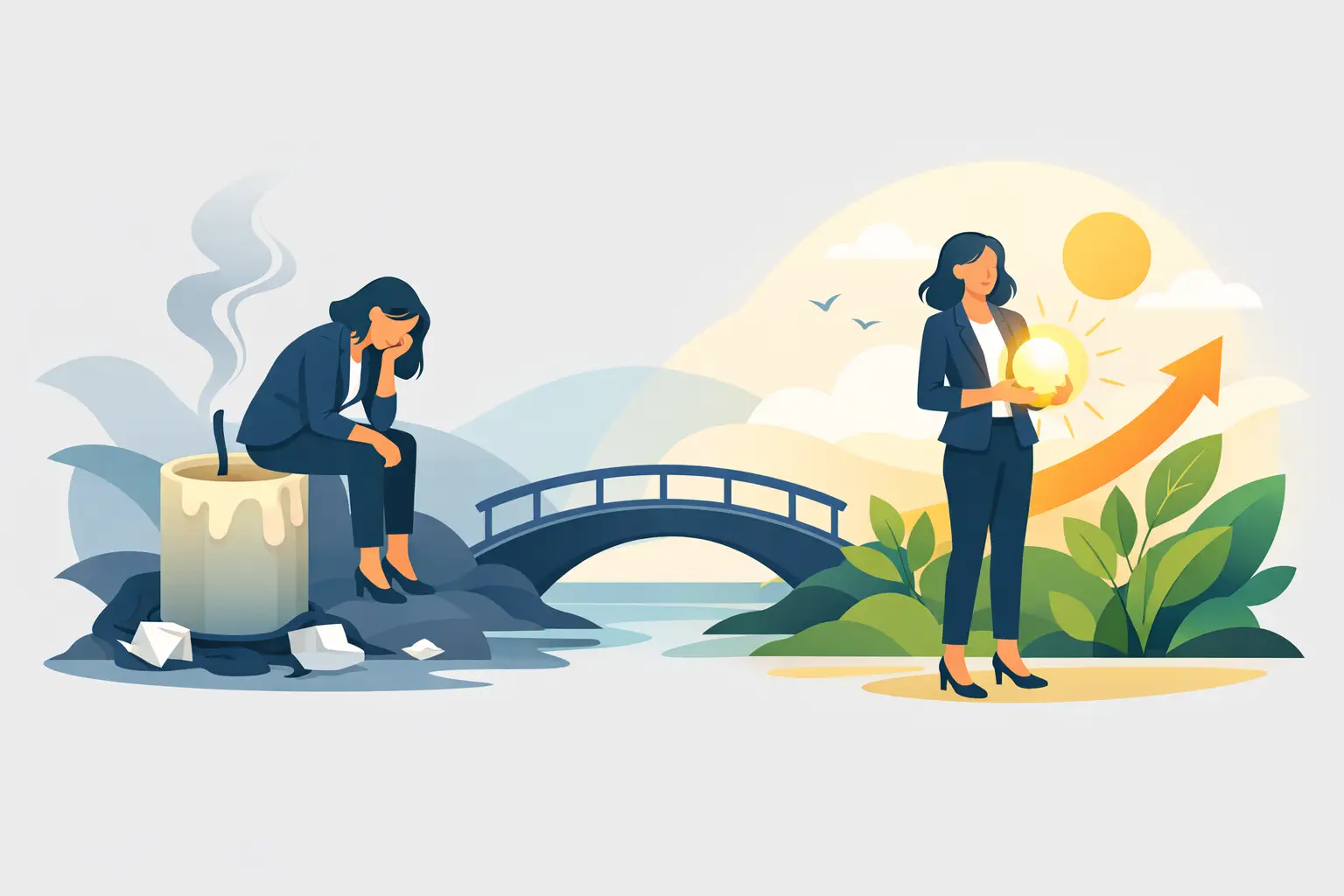
When anxiety becomes part of your daily routine, it can start to feel as though your mind is always a step ahead of you. You might look calm at work, answer emails, get through meetings and carry on as normal, while underneath it all your body is tense, your sleep is uneven, and small things feel harder than they should. If you are looking for anxiety relief naturally, it often helps to stop thinking in terms of one quick fix and start looking at how your nervous system is being pushed, day after day.
For many people, anxiety is not simply a mental problem. It shows up physically. A tight chest, a knotted stomach, a sense of dread on the commute, difficulty switching off at night, irritability, overthinking, reassurance seeking, and a constant feeling of being on alert are all common. That matters, because natural support works best when it addresses both mind and body rather than treating anxiety as if it lives only in your thoughts.
What anxiety relief naturally really means
Natural anxiety relief does not mean forcing yourself to be calm, pretending everything is fine, or relying on generic self-care advice that sounds good but changes very little. In practice, it usually means helping your system feel safer, steadier and less reactive without immediately turning to medication as the only option.
That may include sleep support, breath regulation, reducing stimulants, changing how you respond to anxious thoughts, and working with the habits that keep anxiety going. It can also include therapeutic approaches that do not involve medication, such as hypnotherapy, relaxation training, EFT, or other structured methods that help reduce the body’s stress response.
This is where people often get stuck. They try bits and pieces from podcasts, social media or well-meaning friends, but the underlying pattern remains the same. If your anxiety is being fuelled by perfectionism, chronic pressure, poor boundaries, unresolved fear, or a body that no longer knows how to settle, the answer needs to fit that pattern.
Why the obvious advice does not always work
You have probably already heard that you should sleep more, exercise, meditate and cut down on caffeine. None of that is wrong. The difficulty is that when anxiety is already high, even sensible advice can feel oddly hard to follow.
Meditation can leave some people feeling more aware of distressing sensations. Exercise helps many, but not if it becomes another pressure or if intense training keeps the body overstimulated. Cutting down on coffee can make a noticeable difference, especially if you are drinking several strong cups a day, but it may not touch the deeper reasons your system is on edge.
There is also a timing issue. Some tools are helpful in the moment, while others help reduce anxiety over time. Slow breathing may settle a spike of panic. Better sleep habits may improve your baseline over a few weeks. Therapy may help shift the underlying drivers of anxiety more meaningfully, but that takes some consistency.
Natural ways to calm anxiety in real life
If you want anxiety relief naturally, start by paying attention to what your body is being asked to cope with each day. For busy professionals in London, anxiety is often made worse by overstimulation rather than a lack of information. Noise, deadlines, poor sleep, long hours, bright screens, constant messages and little genuine recovery time all have an effect.
One of the most useful starting points is simple regulation. That means doing small things consistently enough for your nervous system to register them. A regular sleep and wake time is often more helpful than trying to catch up at weekends. Eating at sensible intervals can reduce the shaky, wired feeling that people sometimes mistake for pure anxiety. Gentle movement, especially walking, often works better than punishing yourself with exercise you dread.
Breathing is another area where detail matters. People are often told to take a deep breath, but very deep breathing can make some anxious people feel worse. Slower, quieter breathing tends to be more effective. A longer exhale can signal safety to the body in a way that feels more natural than trying to force large breaths.
Then there is mental load. Anxiety grows in environments where everything feels urgent. If your mind is carrying ten unfinished tasks, three possible disasters and a running commentary on how you should be coping better, your body will struggle to settle. Sometimes the most natural intervention is also the least glamorous – reducing avoidable pressure, creating clearer routines, and giving your mind fewer loose ends to track.
When anxiety is tied to habits, not just stress
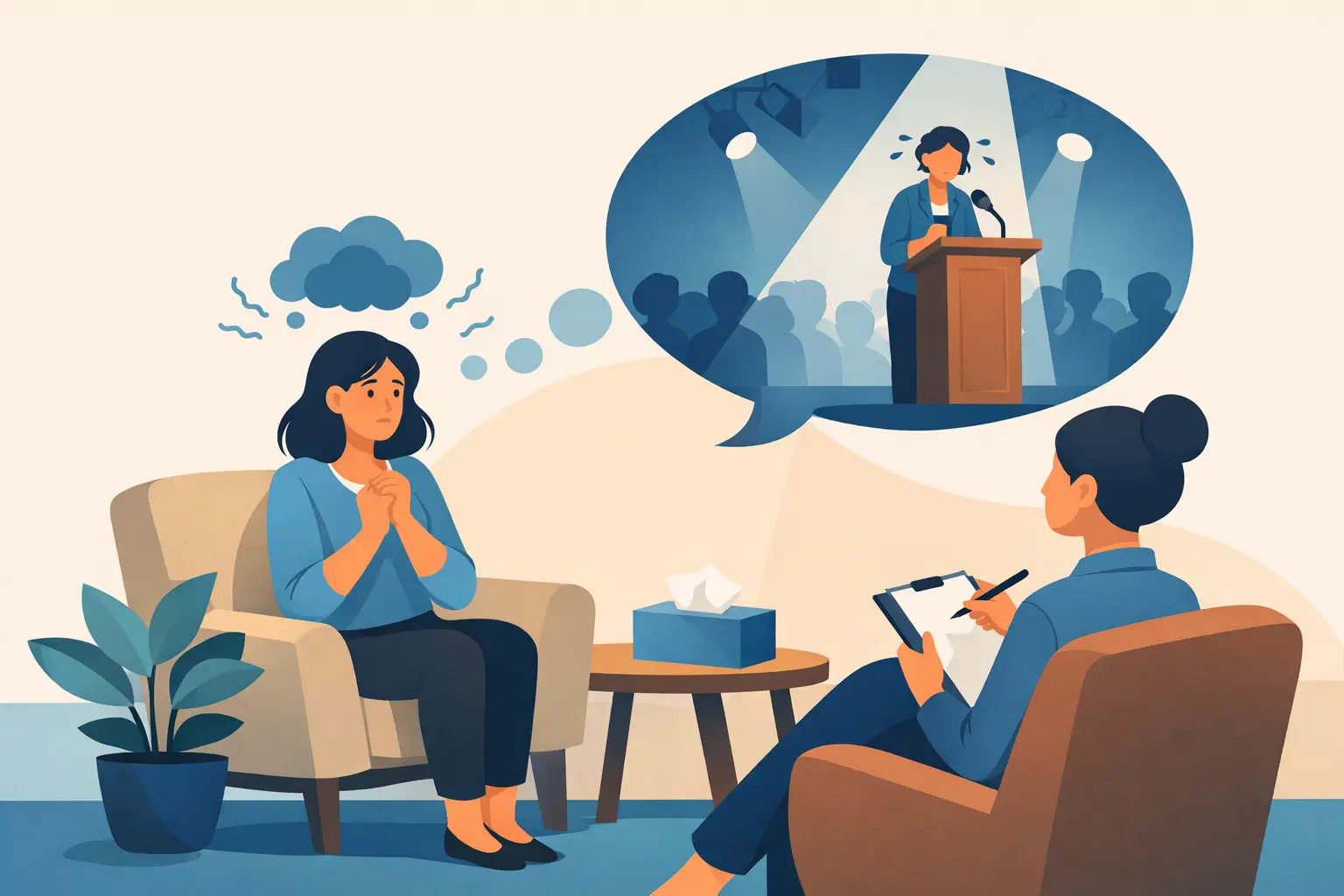
Not all anxiety comes from current pressure alone. Sometimes it is linked to learned responses. You may have become highly alert to certain situations – public speaking, travelling, sleep, social interactions, health worries, conflict, being judged, or simply having too much time to think.
In our practice, we often see clients who… appear highly capable on the outside but are putting enormous effort into managing fear internally.
This matters because anxiety often survives through avoidance, control and anticipation. You avoid the situation, feel temporary relief, and your brain learns that the situation must have been dangerous. Or you over-prepare, overthink and rehearse every possibility, which can look sensible on the surface but quietly reinforces the fear underneath.
Natural relief, in this context, means helping the brain update its response. That is one reason structured therapy can be useful. Cognitive hypnotherapy, for example, is not about losing control or being talked into feeling calm. It is a way of working with the patterns, associations and internal responses that keep anxiety active. Used properly, it can help clients feel more in control of how they respond, rather than simply trying to suppress symptoms.
The role of hypnotherapy in anxiety relief naturally
Hypnotherapy tends to interest people who are tired of understanding their anxiety intellectually but still feeling it physically. They know why they worry, at least in part, but insight alone has not changed the pattern.
A good therapeutic approach is tailored. One person may need help calming anticipatory anxiety before meetings. Another may need support with panic symptoms, sleep disruption or IBS linked to stress. Another may be dealing with a specific fear that has gradually spread into wider anxiety.
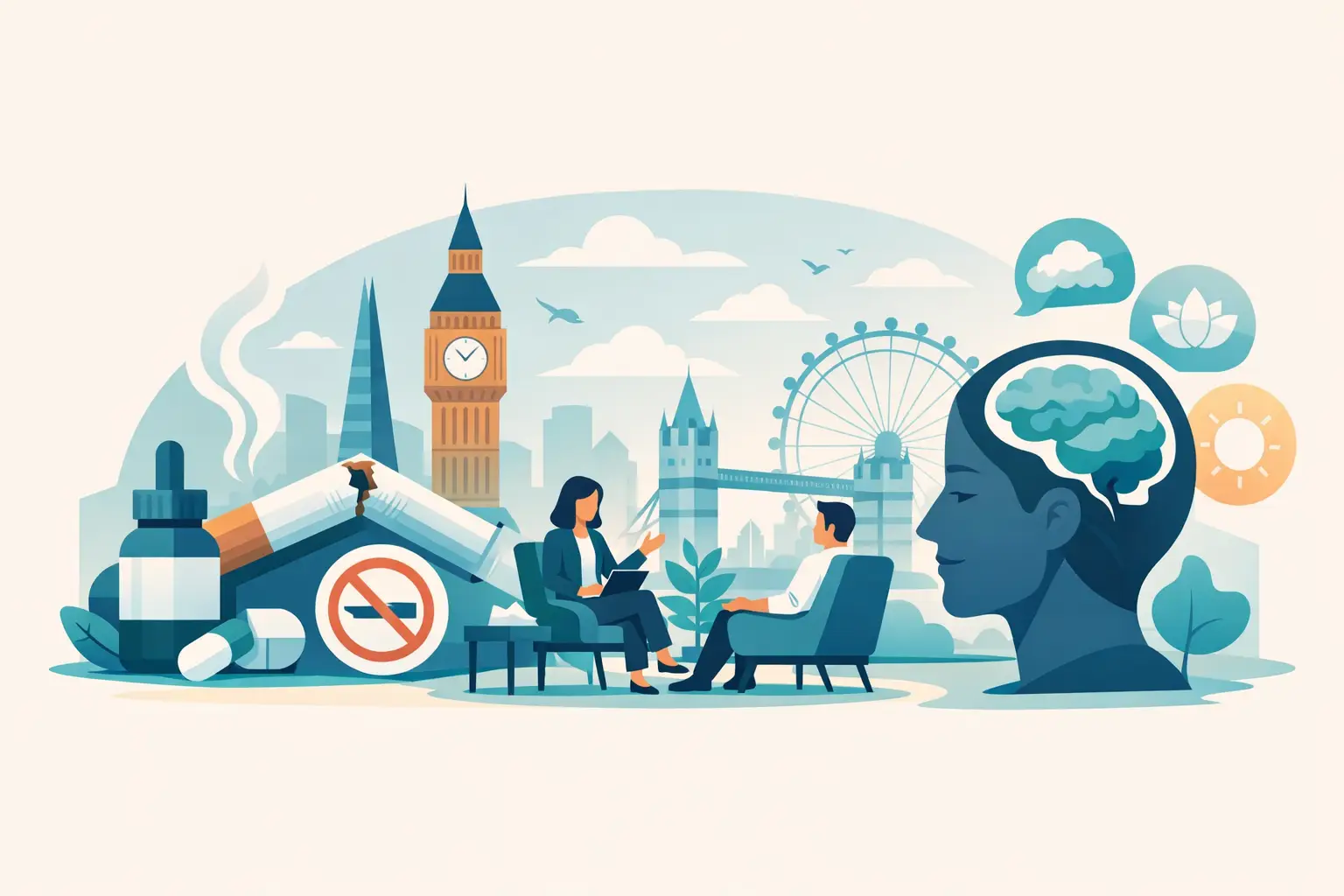
This is why a bespoke approach matters. At City of London Hypnotherapy, sessions are typically built around the person rather than the label. Techniques may include cognitive hypnotherapy, EFT, relaxation work or practical strategies to use between sessions. The aim is not to create dependence on therapy, but to help you build responses that feel steadier and more available in daily life.
What to avoid when you are already anxious
Natural support can help, but there are also common traps. One is treating every symptom as evidence that something is terribly wrong. Anxiety can create very convincing physical sensations, and constantly checking them tends to feed the cycle.
Another is expecting yourself to feel calm all the time. That standard is unrealistic and often makes people more self-critical. The goal is not perfect calm. It is greater flexibility – less spiralling, quicker recovery, better sleep, clearer thinking, and less fear of your own internal reactions.
Be careful, too, with remedies that promise fast certainty. Some supplements may help some people, but they are not universally suitable, especially if you have existing health conditions or take medication. If anxiety is severe, persistent, or linked with depression, trauma or intrusive thoughts, it is sensible to seek professional support rather than trying to manage it alone.
A more realistic view of progress
Anxiety tends to improve in layers. First, you may notice fewer intense spikes. Then you may recover more quickly after stress. Sleep becomes a little easier. Your body feels less braced. Eventually, situations that once felt charged begin to feel more manageable.
That is often how real progress looks – not dramatic, but solid. You feel more like yourself. You stop organising your whole life around what might trigger anxiety. You can think more clearly, respond more calmly and trust yourself a bit more.
If you have been trying to cope quietly for a long time, that shift can be significant. Anxiety relief naturally is possible, but it usually comes from the right combination of understanding, nervous system regulation and practical therapeutic support, rather than one trend or technique on its own.
If you’re based in London and would like to explore this further, you can get in touch with us.