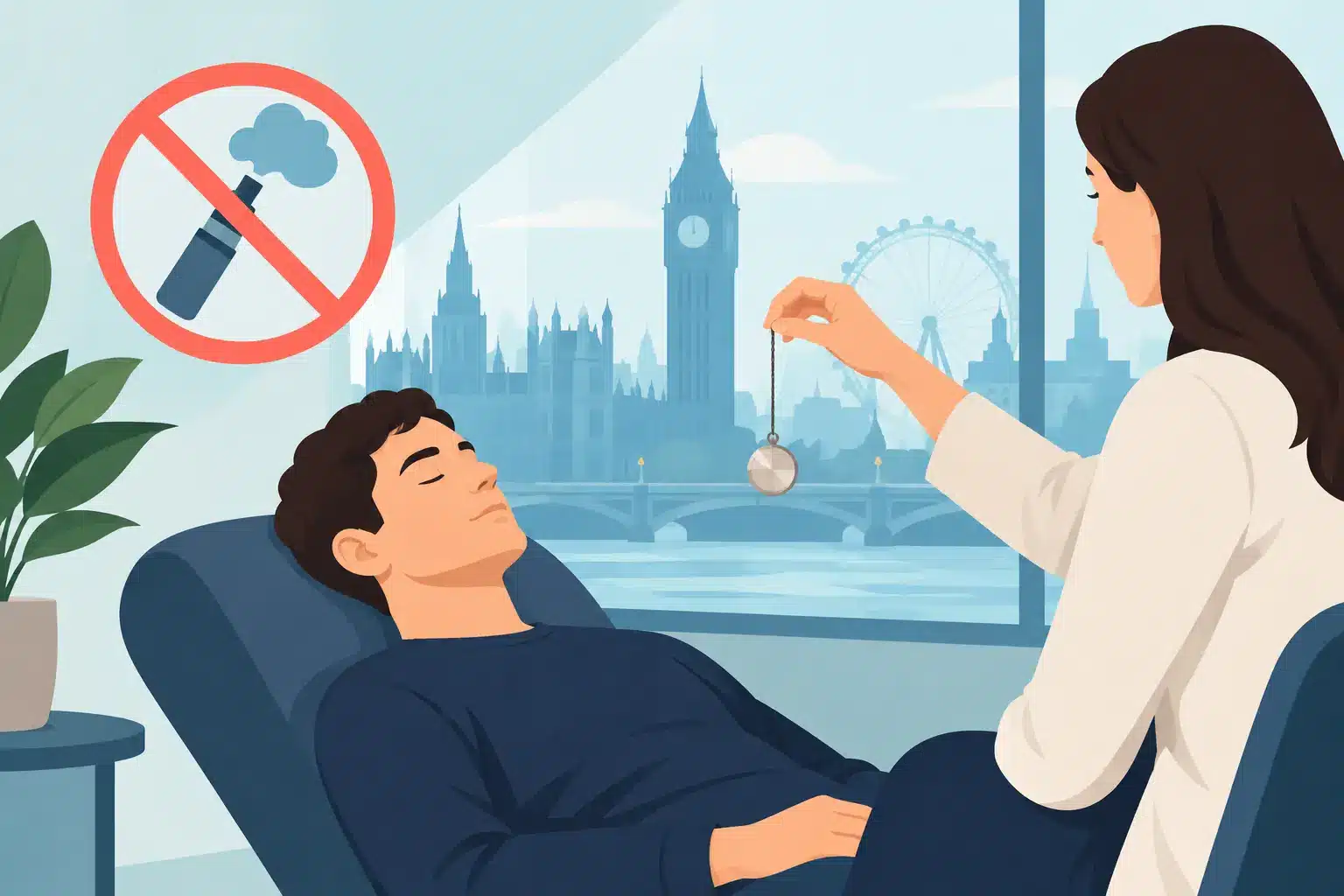
The moment between deciding to stop smoking and actually doing it can feel surprisingly uncomfortable. You may be certain that cigarettes no longer fit your life, yet still find yourself reaching for one after a difficult call, on the way to work, or during a drink with friends. This guide to stopping smoking therapy explains how therapeutic support can help you understand that gap and prepare to quit in a way that feels personal, practical and realistic.
For many people, smoking is not simply a nicotine habit. It has become a reliable response to pressure, boredom, social situations or the need for a few minutes alone. A successful quit attempt needs to account for those patterns, not just ask you to use more willpower.
What stopping smoking therapy is designed to address
Stopping smoking therapy looks at the thoughts, feelings, physical cues and routines that keep the habit going. Nicotine dependence matters, but so does the meaning a cigarette has acquired over time. You may associate it with a break, a reward, a way to settle anxious feelings, or a sense of control during a demanding day.
When clients visit our practice, they could be feeling frustrated with themselves because they have stopped before and started again. They may be worried about their health, tired of planning their day around smoking breaks, or concerned that quitting will make them irritable and unable to cope at work. These are understandable concerns, rather than signs that they lack commitment.
Therapy creates space to identify your particular smoking pattern. Instead of treating every cigarette as the same, we explore when you smoke, what happens immediately beforehand, what you expect the cigarette to do for you, and what follows afterwards. That information helps shape a plan that addresses the real triggers.
How hypnotherapy may support a quit attempt
Hypnotherapy is a focused, relaxed state in which you remain aware and in control. It is not about being made to do something against your wishes. In stopping smoking work, it can be used to help you rehearse a different response to familiar triggers, strengthen your reasons for quitting and reduce the automatic pull of established routines.
Cognitive hypnotherapy also pays attention to the beliefs beneath the behaviour. Someone may consciously want to stop while privately believing that smoking is their only dependable stress relief, or that they will gain weight without it. Those assumptions can make quitting feel like a loss. Therapy gives them proper attention, so that alternatives can feel believable rather than forced.
All people are different, but we see some who may be especially helped by working on the emotional side of smoking. This can include people who smoke when anxious, those who return to cigarettes after conflict or exhaustion, and those whose habit is closely tied to confidence in social settings. For others, the main value is planning and practising how they will handle specific moments, such as leaving the office, travelling home or having coffee after a meal.
Hypnotherapy is not a replacement for medical advice or treatment for nicotine dependence. Nicotine replacement therapy, prescribed medication and support from a GP or pharmacist can be useful options, particularly for people who smoke heavily or have found withdrawal difficult in the past. The most appropriate approach depends on your health, smoking history and preferences. Therapy can sit alongside these forms of support by helping you manage the behavioural and emotional aspects of quitting.
A tailored approach to stopping smoking therapy
A worthwhile first session should not be a standard script applied to everyone. It should begin with a careful conversation about your smoking history, previous attempts to stop, current stress levels, health considerations and what you want to be different.
In our practice, we often see clients who have already tried patches, vaping, apps or sheer determination. Often, these approaches have helped for a while. The difficulty comes when an old trigger appears and smoking still feels like the quickest answer. Looking at what happened without judgement can make a future attempt far more informed.
A tailored programme may combine hypnotherapy with practical cognitive techniques, elements of NLP or EFT where appropriate, and relaxation methods to help reduce stress reactivity. The aim is not to pretend that cravings never occur. It is to help you notice a craving, understand it as temporary, and have a response ready before the urge turns into action.
This work may include mentally rehearsing a smoke-free commute, changing the routine around alcohol or work breaks, and identifying words or images that reinforce your reasons for stopping. You might also learn a short calming exercise for the first few minutes of a craving. Small interventions can matter because cravings tend to rise and fall rather than remain at the same intensity.
Preparing for the moments that usually lead to smoking
Most people can name the times when smoking feels hardest to resist. It may be the first coffee of the day, the period after lunch, an argument, a late night at work or a pub garden with friends. It is useful to be specific. “Stress” is broad; a tense meeting at 4pm, followed by stepping outside with colleagues, is a situation you can plan for.
Before your quit date, consider what you will do in each of these moments. This does not need to be elaborate. You may change where you take your break, have a prepared phrase for declining a cigarette, drink water, walk around the block or use a breathing exercise. The right choice is the one you can realistically repeat when you are tired or distracted.
It also helps to decide how you will respond to an unexpected craving. Rather than entering into an argument with yourself, try naming what is happening: “This is a craving. It will pass.” Then give yourself a brief, defined task. Delay for ten minutes, breathe slowly, or message someone who knows you are quitting. This is not about pretending the urge is pleasant. It is about giving it time to lose momentum.
What to expect after you stop
Stopping smoking can bring physical withdrawal, shifts in mood and a sense that parts of the day have changed shape. Some people feel restless or irritable for a period; others notice concentration or sleep is affected. Being prepared for this can prevent normal withdrawal from being interpreted as failure.
There may also be an emotional adjustment. If smoking has been your regular pause button, you will need other ways to pause. If it has helped you manage anxiety, it is worth treating the anxiety with care rather than expecting quitting alone to resolve it. This is where therapy can be especially useful: it supports the underlying need, not just the visible habit.
A lapse does not have to become a return to full-time smoking. One cigarette can trigger unhelpful thinking such as “I have ruined it now”. A more useful response is to ask what led to it, what you can learn, and what you will do at the next similar moment. Progress is strengthened by honesty and adjustment, not self-criticism.
Choosing support that feels credible
If you are considering stopping smoking therapy, look for a practitioner who takes time to understand your circumstances and is clear about what therapy can and cannot do. You should feel able to ask about their training, the likely structure of sessions and whether they are comfortable working alongside medical support.
Be wary of promises of a guaranteed result in one session. Some people do respond well to brief work, while others benefit from several sessions because smoking is connected to stress, anxiety or long-established routines. A sensible plan reflects the person in front of the therapist, rather than a fixed formula.
The aim is not perfection or pressure. It is to reach a point where not smoking becomes more familiar, more manageable and more aligned with how you want to live. With the right preparation and support, you do not have to face every craving as though it is a test of character.
“If you’re based in London and would like to explore this further, you can get in touch with us.”