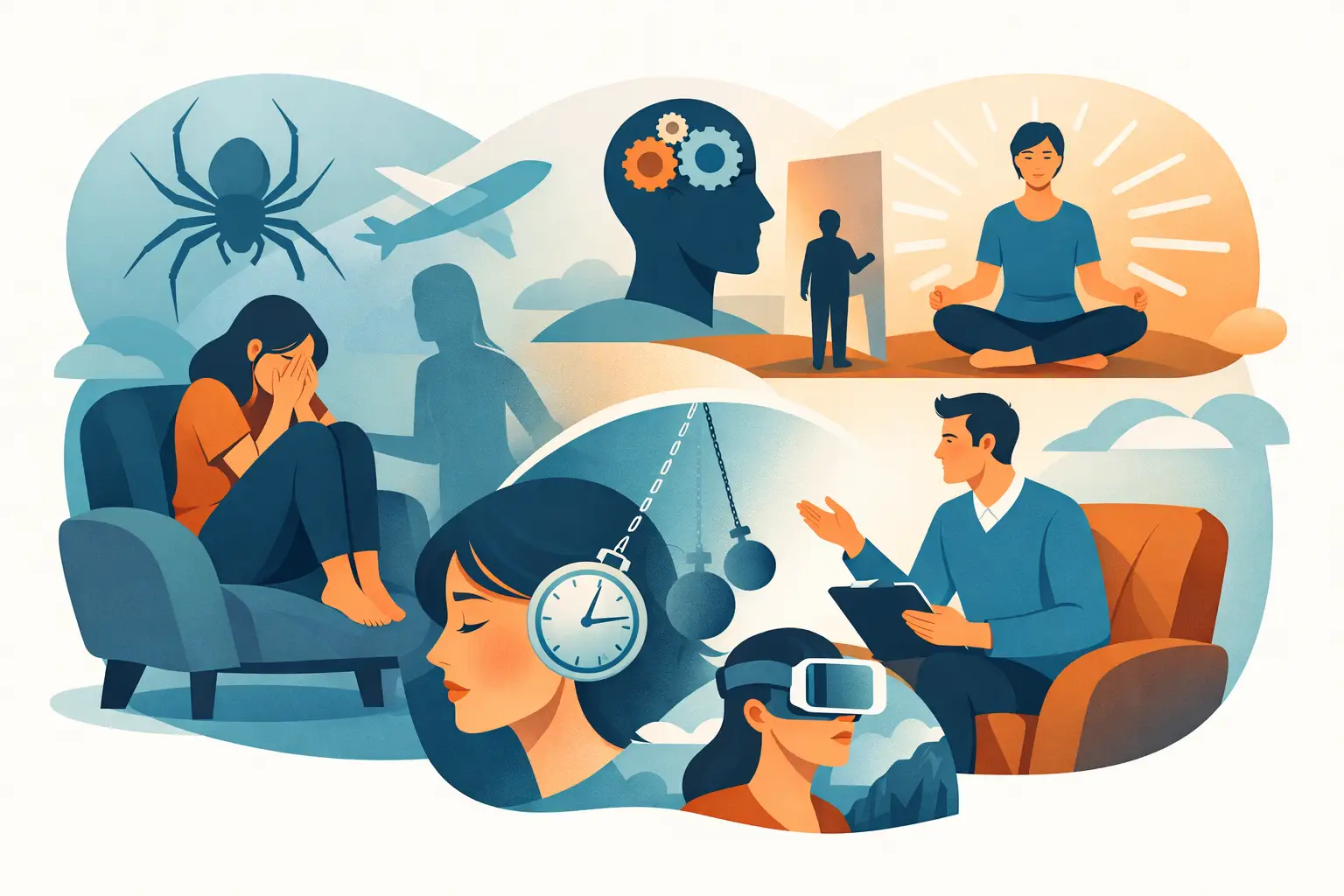
Lying awake at 3am can make even a capable, organised person feel as though they are losing control. You may be exhausted, yet your mind is replaying conversations, planning tomorrow’s workload or worrying about the consequences of another poor night. If you are weighing up therapy or hypnosis for insomnia, the most useful question is not which is universally ‘best’, but what is keeping your particular sleep problem going.
Insomnia is rarely just about sleep. It can be connected to stress, anxiety, a difficult period, burnout, pain, a changing routine or the growing fear of not being able to sleep. For many people, the original trigger has passed but the pattern remains. The bed becomes associated with alertness, frustration and clock-watching rather than rest.
Why insomnia can become a self-perpetuating pattern
A few disrupted nights are common. A demanding project, illness, travel, family pressures or a change in routine can all affect sleep temporarily. The difficulty often develops when the understandable effort to force sleep starts creating more pressure.
You might start going to bed earlier to compensate, checking the time repeatedly, cancelling plans because you feel tired, or spending the day monitoring how well you are functioning. These responses make sense, but they can teach the brain that sleep is something to be watched and managed. The more you try to make it happen, the more awake you may feel.
When clients visit our practice, they could be feeling drained during the day but unusually alert at bedtime. Some have tried supplements, sleep apps, strict routines or medication. Others have already had talking therapy and want support that addresses the emotional and habitual side of their insomnia in a more individual way.
What therapy for insomnia can offer
Therapy gives you a structured space to understand the thoughts, behaviours and feelings that surround sleep. Cognitive behavioural therapy for insomnia, often called CBT-I, is widely regarded as a first-line psychological treatment for persistent insomnia. It focuses on practical changes to sleep habits alongside the beliefs and worries that can keep the cycle going.
A therapist may help you look at patterns such as spending long periods awake in bed, trying to catch up with sleep by napping, or assuming that one difficult night will ruin the following day. This is not about telling you to think positively. It is about testing unhelpful predictions and reducing the pressure you put on sleep.
Therapy can be particularly helpful where insomnia is linked with anxiety, low mood, grief, workplace stress or a major life change. It can also provide a clear plan and accountability, which matters when tiredness makes it difficult to be consistent with new habits.
That said, therapy is not always a quick fix. It asks you to notice patterns, practise strategies between sessions and tolerate some temporary discomfort while your sleep routine settles. For someone who feels highly activated at night, insight alone may not be enough. They may also need help calming the nervous system and changing the automatic associations around bedtime.
Where hypnosis may help with insomnia
Hypnotherapy is not sleep itself, and it does not involve giving up control. It is a focused, relaxed state in which you remain aware and able to respond. In a therapeutic setting, hypnosis can be used to work with the thoughts, emotional responses and learned patterns that contribute to poor sleep.
For insomnia, a cognitive hypnotherapy approach may explore what happens in the period before bed and during a waking episode. Perhaps your mind becomes busy as soon as the lights go out. Perhaps you have begun to dread bedtime because it has become a place of struggle. Perhaps an earlier stressful experience has left your body on alert even when you know you are safe.
In our practice, we often see clients who… have tried hard to solve their sleep with logic, only to find that their body does not follow the plan at night. Hypnotherapy can help clients practise a different response to wakefulness, reduce anticipatory anxiety and build a calmer association with rest.
Sessions are tailored rather than based on a standard recording. Depending on the person, this may involve cognitive hypnotherapy, relaxation work, elements of NLP, EFT or practical exercises to use at home. The aim is not to make promises about a certain number of hours’ sleep. It is to reduce the mental and physical struggle that often keeps insomnia in place.
Therapy or hypnosis for insomnia: how to decide
For many people, this is not an either-or choice. Cognitive hypnotherapy includes therapeutic conversation and practical behavioural work, while hypnosis can support the emotional regulation that makes changes easier to apply. A combined approach is often useful when insomnia has both a clear behavioural pattern and a strong anxiety component.
Traditional therapy may be the better starting point if you want a highly structured, evidence-based sleep programme, particularly if your sleep schedule and sleep behaviours are the main issue. Hypnotherapy may appeal if you recognise that your difficulty is tied to racing thoughts, heightened alertness, ingrained worry or a sense that your body cannot switch off.
All people are different, but we see some who may be sleeping poorly not because they lack sleep advice, but because they have become caught in an internal battle with sleep. In those cases, learning another breathing technique or buying another sleep tracker may add to the feeling that there is something to get right. Individual therapy can create space to understand the pattern rather than simply adding another task to the evening.
It is also worth being realistic about what treatment can and cannot do. If you have had insomnia for years, progress may be gradual. Sleep can vary during stressful weeks even when treatment is helping. The early goal may be feeling less frightened by a wakeful night, rather than sleeping perfectly every night. That shift often gives sleep more room to return naturally.
A thorough assessment matters
Before assuming that insomnia is mainly psychological, it is sensible to consider physical and medical factors. Persistent snoring, breathing pauses, gasping during sleep, restless legs, chronic pain, menopausal symptoms, medication effects, thyroid problems and depression can all affect sleep. If you are concerned about any of these, speak with your GP or an appropriate medical professional.
A good therapeutic assessment should also ask about your routine, workload, caffeine and alcohol use, mood, health history and the timing of the problem. Someone waking at 4am with low mood may need a different approach from someone whose sleep changed after a period of intense work pressure. Bespoke treatment begins with not treating every sleepless person as the same.
What you can expect from tailored support
A first session should not feel like being handed a generic relaxation script. It should help identify the specific cycle you are in and establish what a realistic improvement would look like in your daily life. This might mean fewer long waking periods, less dread at bedtime, more energy at work or greater confidence that a poor night is manageable.
At City of London Hypnotherapy, the focus is on giving clients practical tools alongside one-to-one therapeutic work. These may include personalised relaxation exercises, ways to respond differently to intrusive thoughts, and changes that support a more settled relationship with bedtime. The approach is adjusted as you go, because sleep problems can shift once the initial pressure begins to ease.
You do not need to wait until insomnia has affected every part of your life before seeking support. A calmer approach is not about chasing perfect sleep. It is about helping your mind and body remember that night-time does not have to be a test you must pass.
If you’re based in London and would like to explore this further, you can get in touch with us.