A craving can arrive at 6pm on the train home, after a difficult meeting, or when the flat finally goes quiet. It can feel less like a choice and more like an instruction: have a drink, then you will settle. This guide to stopping alcohol cravings is for anyone who wants to understand that pull without shaming themselves, and to begin responding to it differently.
Alcohol cravings are not proof that you lack willpower. They are often learned responses involving stress, routine, emotion and the short-term relief alcohol has offered in the past. For many busy London professionals, drinking begins as a way to come down after a demanding day. Over time, the brain can start to connect certain places, feelings and times of day with alcohol.
First, make stopping alcohol safe
If you drink heavily or daily, have experienced withdrawal before, or wake needing alcohol to feel steady, do not stop suddenly without medical advice. Alcohol withdrawal can be dangerous for some people. Symptoms can include shaking, sweating, nausea, anxiety, disturbed sleep, confusion, hallucinations and, in severe cases, seizures.
Speak to your GP, an alcohol support service or urgent medical care if you are concerned about withdrawal. This is not a reason to delay seeking help or to feel alarmed. It is a sensible first step that helps you make a plan appropriate to your level of drinking. Therapeutic work is often most useful when physical safety and medical needs have been considered alongside the habits and emotions involved.
If you are not physically dependent, or have been advised it is safe to reduce or stop, cravings can still be uncomfortable. They do, however, tend to rise, peak and pass. Learning to stay with that cycle, rather than acting on it immediately, changes the pattern over time.
Notice what the craving is really asking for
A craving is rarely only about the taste of alcohol. It may be asking for relief from pressure, a pause between work and home, confidence before a social event, numbness after an argument, or permission to stop thinking. The drink has become the familiar answer.
When clients visit our practice, they could be feeling outwardly capable while privately exhausted. They may have a successful career, meet deadlines and show up for family or friends, yet find that their drinking has become the one part of the day that feels difficult to control. The contrast can bring shame, which often strengthens the urge to escape.
Try observing a craving with curiosity. Ask yourself: what happened in the hour before this? What am I feeling in my body? What do I expect alcohol to do for me right now? You do not need to produce a perfect answer. A brief note on your mobile phone can reveal patterns quickly: a particular client call, loneliness on Sunday evening, an unstructured night, a certain route past the pub, or the moment work messages stop.
Interrupt the automatic routine
Cravings are easier to manage when there is a prepared response between the urge and the drink. This is not about pretending the desire is not there. It is about giving your nervous system another route through the next 15 or 20 minutes.
Start with the practical details. Eat regularly, especially if you tend to crave alcohol when you are hungry or depleted. Plan what you will drink instead, and make it available before the usual drinking time. Some people find a cold, flavoured non-alcoholic drink helpful because it marks the end of the working day. Others prefer tea, sparkling water or simply a change of environment. The substitute matters less than the pause it creates.
Then change the setting. Leave the kitchen, take a short walk, have a shower, call someone, or begin a task that occupies your hands. If the journey home is a trigger, alter the route for a few weeks. If you usually drink while answering emails, set a clear boundary around work and replace that transition with something specific. Small changes can feel almost too ordinary to matter, but they weaken the associations that keep a habit in place.
A useful technique is to delay rather than debate. Tell yourself that you can revisit the decision in 20 minutes, then set a timer and do something else. During that time, breathe slowly and notice the urge as a physical sensation: tightness in the chest, restlessness, warmth, a busy mind. Most urges shift when they are not immediately fed.
Make room for the feeling beneath it
In our practice, we often see clients who have tried to control drinking through rules alone, only to find that stress, anxiety or a difficult emotion eventually overrides the rule. The rules may still be useful, but they are unlikely to be enough if alcohol has become a main method of coping.
All people are different, but we see some who may be using alcohol to quiet a harsh inner voice, manage social anxiety, soften low mood or switch off after sustained pressure. Others drink because it has become woven into connection, reward and identity. Someone who has always been ‘the one who enjoys a drink’ may feel unsure how to relax or socialise without it.
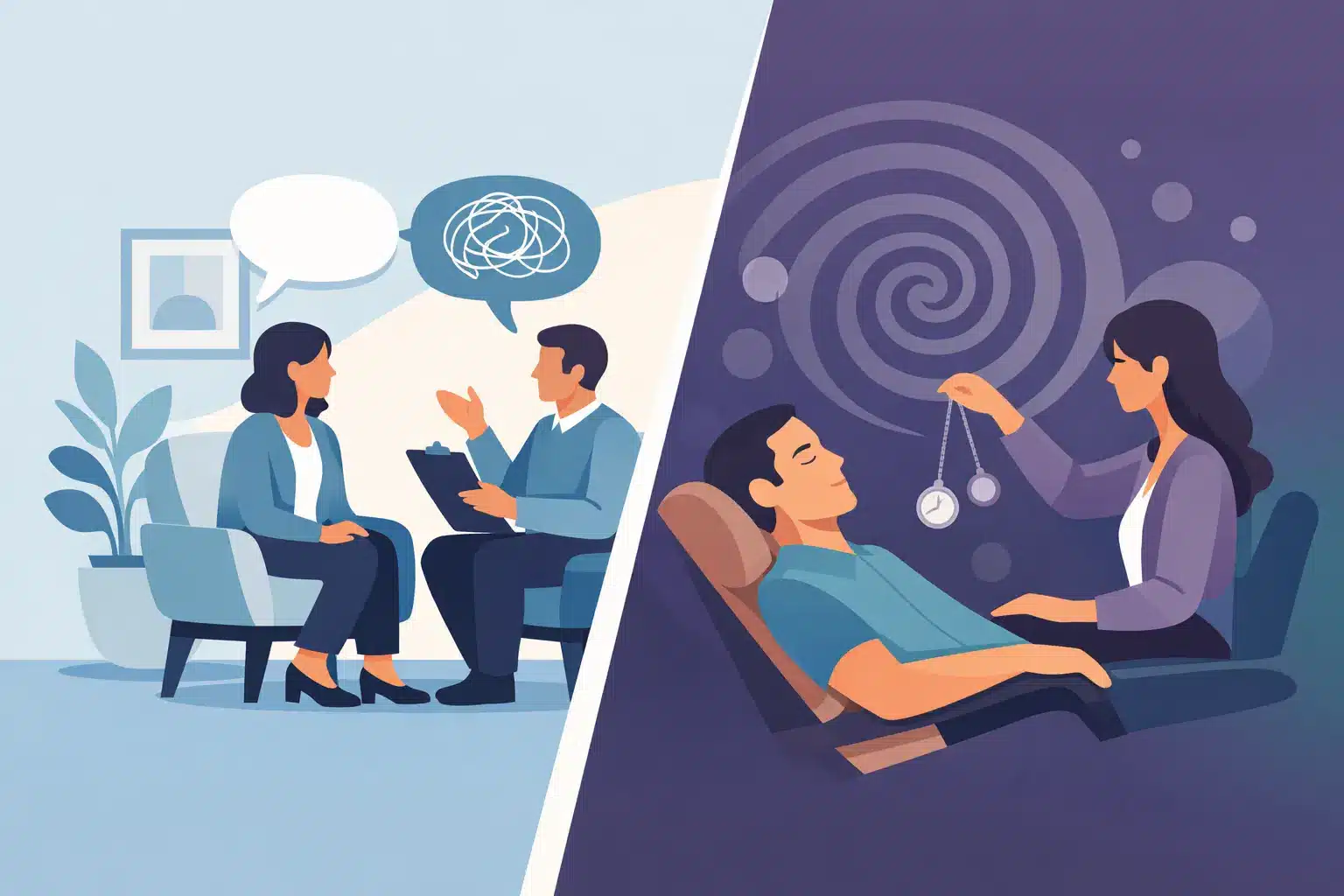
This is where a more individual approach can help. Rather than focusing only on the drink, therapy can explore the trigger, the expectation and the emotional need underneath. Cognitive hypnotherapy may help some people recognise and change automatic patterns, while techniques drawn from NLP, relaxation work or EFT can offer practical ways to regulate stress. The approach should fit the person, not force the person into a standard programme.
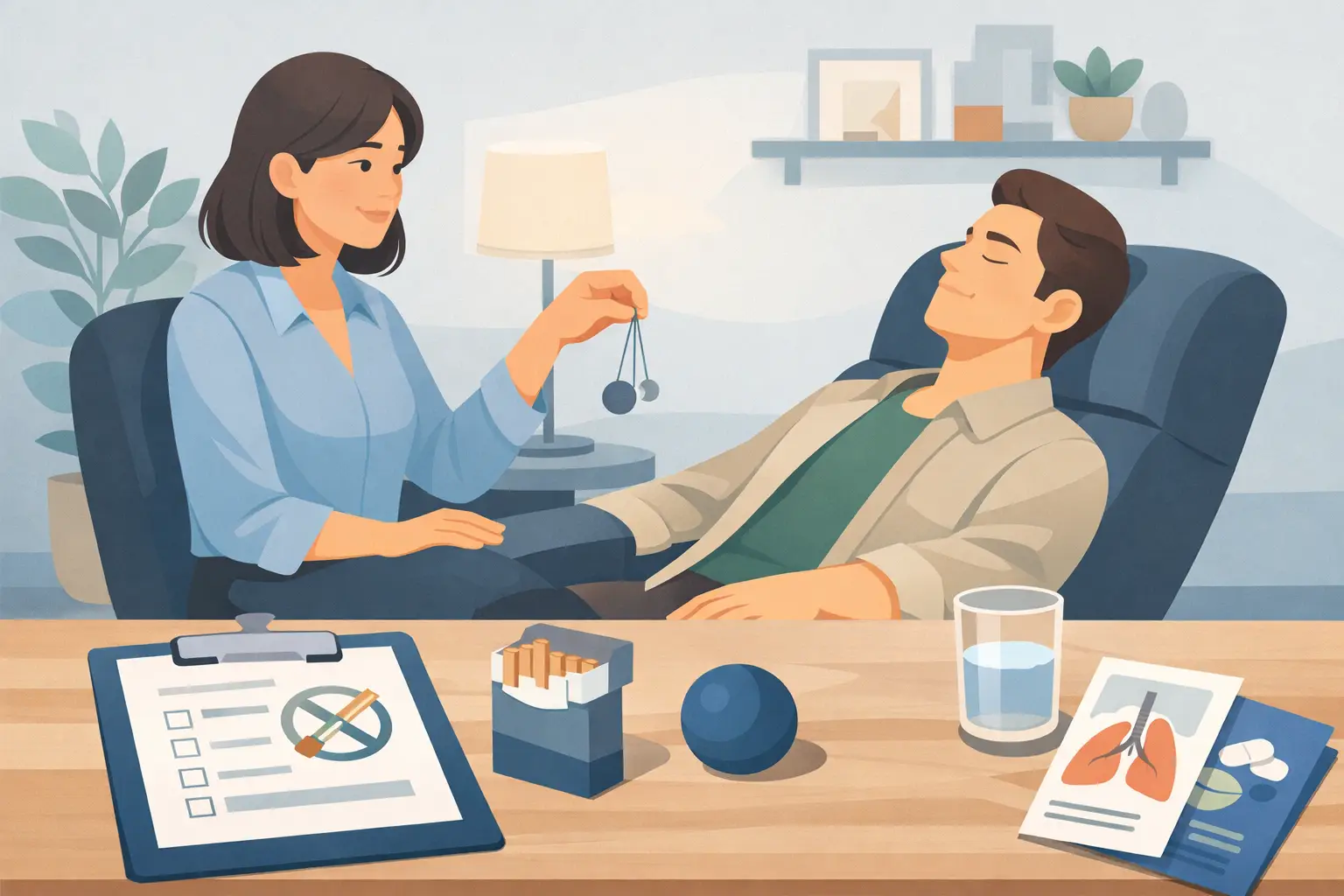
Hypnotherapy is not about losing control or being talked out of a behaviour against your will. Used carefully, it can help you practise different responses when you are calm, so they are easier to access when the familiar urge appears. For some clients, the work centres on reducing anxiety and improving sleep. For others, it is about confidence in social situations, boundaries at work or changing the belief that alcohol is the only reliable way to unwind.
Plan for the situations that test you
It helps to be honest about the places where your intention is most likely to wobble. A work drinks event, a Friday night alone, a family gathering or a holiday may each need a different plan. Avoiding every situation indefinitely is not usually realistic, nor is it necessary for everyone. But early on, reducing exposure to your strongest triggers can give you space to build confidence.
Decide in advance what you will say if somebody offers you a drink. A simple, neutral response is usually enough: “I’m not drinking tonight” or “I’m taking a break.” You do not owe colleagues a detailed explanation. If a particular friend repeatedly pressures you, that is useful information about the support you need around you.
It can also help to make your goal specific. Some people want to stop drinking entirely; others are seeking a planned reduction after discussing safety with a professional. There are trade-offs. Moderation may feel more manageable for one person, while another finds that negotiating every drink keeps the craving active. The right approach depends on your history, your health, your level of control once you start, and what you want alcohol’s place in your life to be.
Expect lapses without turning them into a verdict
A lapse does not cancel the work you have done. What matters is what happens next. The old pattern says, “I have failed, so it does not matter now.” A more helpful response is to pause and ask what made that moment difficult. Were you overtired? Had you skipped meals? Did you enter a situation without a plan? Were you trying to manage an emotion alone?
Use the information, then return to your next planned choice. Shame tends to keep habits hidden and repetitive. Honest review makes change more practical. If cravings are frequent, intense or linked to anxiety, sleep problems, depression or trauma, you do not have to solve all of it by yourself. Support can make the process steadier and less isolating.
The aim is not to become someone who never feels tempted. It is to become someone who can recognise a craving, understand what it is signalling and choose what happens next.
“If you’re based in London and would like to explore this further, you can get in touch with us.”