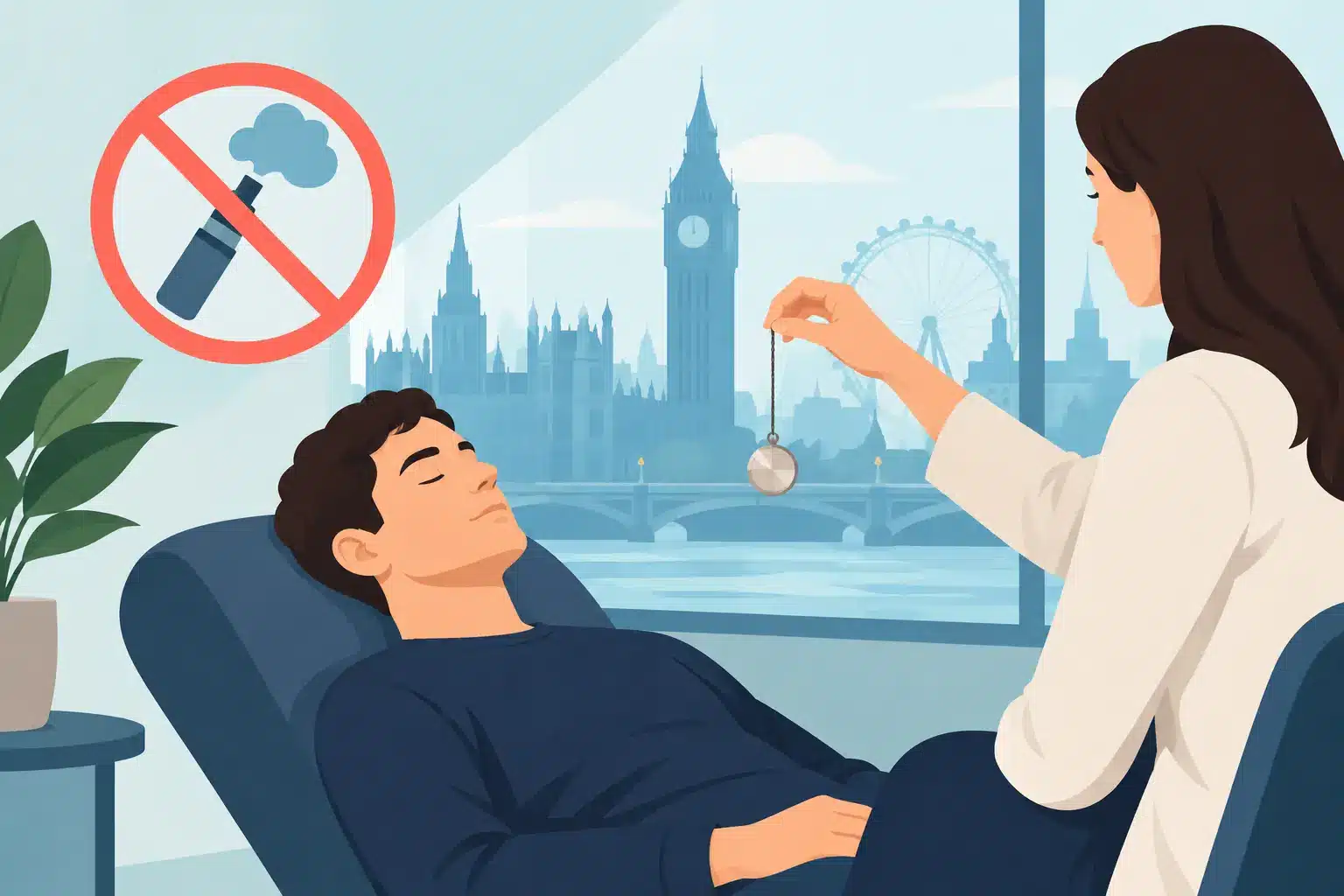
Fear avoidance can make life smaller in ways that are not always obvious at first. You may still be working, meeting deadlines and appearing capable to other people, while quietly avoiding a train journey, a difficult conversation, a medical appointment, a presentation or any situation that might bring on anxiety. The best therapy for fear avoidance is not a single method that suits everybody. It is an approach that understands what you are avoiding, why your mind and body react so strongly, and how to help you move forward without forcing or overwhelming you.
Avoidance usually begins as a sensible attempt to feel safe. If something has felt frightening, embarrassing or uncontrollable, stepping away can bring immediate relief. The difficulty is that this relief teaches the brain that avoidance was necessary. Over time, the feared situation can begin to feel even more threatening, and the range of things you avoid may grow.
Why fear avoidance becomes so persistent
Fear is not always logical, but it is always trying to protect you. Perhaps you had a panic attack on the Underground and now worry about being unable to get off. Perhaps a difficult meeting left you convinced that speaking up at work is risky. Or perhaps there is no clear starting point, only a long-standing sense that certain situations are too much.
When clients visit our practice, they could be feeling frustrated with themselves. They often know their fear is out of proportion to the actual risk, yet understanding that fact has not made the reaction disappear. This gap between what you know and what you feel can be particularly exhausting for thoughtful, high-functioning people who are used to solving problems through effort and reason.
Avoidance can show up in several forms. Some people avoid a specific trigger, such as flying, driving, heights or public speaking. Others avoid internal experiences: a racing heart, blushing, uncertainty, upsetting memories or the possibility of losing control. They may over-prepare, repeatedly seek reassurance, stay close to home, use alcohol to get through social events or postpone decisions that matter to them.
The common thread is not weakness. It is a learned protective pattern. Effective therapy needs to work with that pattern, rather than simply telling you to be brave.
What is the best therapy for fear avoidance?
For many people, cognitive behavioural therapy, or CBT, is a helpful starting point. It can identify anxious thoughts, test unhelpful predictions and support gradual, planned exposure to feared situations. Exposure is often misunderstood as being thrown in at the deep end. Done well, it is collaborative and paced. You build contact with what you fear in manageable stages, giving your nervous system the chance to learn that you can cope.
However, CBT is not the only useful option, and it does not suit every person in the same way. Some clients have tried it and found the structure helpful, but still feel that their automatic emotional response has not shifted. Others struggle to apply worksheets when they are tired, stressed or caught in the moment. This does not mean therapy has failed. It may mean the work needs a different emphasis.
Cognitive hypnotherapy can be particularly useful when fear avoidance is driven by strong automatic reactions, old associations or vivid mental images. Hypnosis is not about handing control to somebody else. In a therapeutic setting, it is a focused and relaxed state that can help you engage with thoughts, feelings and learned responses differently. The work remains collaborative, and you remain aware and able to respond throughout.
A tailored approach may combine cognitive hypnotherapy with practical behavioural steps, relaxation work and techniques drawn from NLP or EFT where appropriate. The aim is not to erase every feeling of anxiety. It is to reduce the alarm response, change the meaning your mind attaches to the trigger and help you act in line with what matters to you.
The right approach depends on the pattern beneath the fear
All people are different, but we see some who may be avoiding one clear situation and benefit from carefully structured exposure alongside hypnotherapy. Others are caught in a wider cycle of stress, poor sleep and physical tension, where their capacity to tolerate uncertainty has become depleted. In that case, addressing the broader anxiety response first can make later behavioural work more manageable.
For example, someone avoiding public speaking may not only fear the presentation itself. They may fear visible shaking, forgetting a word, being judged by colleagues or feeling trapped in the room. Treatment becomes more useful when it addresses these specific fears rather than treating “confidence” as one broad problem.
The same applies to health anxiety, social anxiety, driving fears and panic. If you are avoiding the Tube because you fear panic sensations, the work may involve learning to respond differently to bodily feelings as well as rebuilding confidence with travel. If you are avoiding dating after a painful relationship, the focus may include the expectations and self-protective beliefs that arise before you even meet somebody.
“In our practice, we often see clients who…” have spent years organising their lives around a fear while telling themselves it is not serious enough to seek help for. Yet the impact can be substantial: career opportunities declined, relationships limited, sleep disrupted and ordinary routines made harder than they need to be.
A realistic pace matters more than pushing through
There is a difference between gradual progress and forcing yourself into situations before you have adequate support. Pushing too hard can reinforce the sense that the feared experience is unbearable, especially if you leave feeling flooded or ashamed. Avoiding every trigger, on the other hand, tends to preserve the fear.
A good therapeutic plan sits between those extremes. It begins by understanding your triggers, your safety behaviours and the outcome you fear most. From there, you can practise skills that settle the body, challenge the automatic story and take small, meaningful actions outside sessions.
These actions should be specific enough to be useful. Rather than setting a vague goal to “be more confident”, you might practise staying in a meeting for five minutes longer without rehearsing every sentence, take one stop on the Underground with a plan in place, or make a short phone call you have been postponing. Repetition matters because the brain learns through experience, not reassurance alone.
How hypnotherapy may support fear avoidance work
Hypnotherapy can create space to rehearse new responses before putting them into practice in daily life. Some clients find that imagining a feared situation while calm helps reduce the intensity of their anticipatory anxiety. Others benefit from exploring the beliefs that sit underneath the fear, such as “I will not cope”, “People will see I am anxious” or “If I feel panic, something terrible will happen”.
At City of London Hypnotherapy, sessions are shaped around the individual rather than following a fixed script. Where appropriate, relaxation-based work can help reduce the background strain that keeps the nervous system on alert. Practical tools are also important, because the moments between sessions are where new patterns become established.
It is worth being cautious of anyone who promises to remove a lifelong fear in one appointment. Some simple phobias may respond quickly, while more complex anxiety or trauma-related avoidance can take longer. Progress is rarely perfectly linear. A difficult week does not erase the work you have done; it can offer useful information about what still needs attention.
Signs that it may be time to seek support
You do not need to wait until avoidance has become severe. Support may be helpful if fear is affecting your work, relationships, health or ability to do ordinary things you want or need to do. It may also be worth speaking to a qualified professional if you are relying on alcohol, compulsive checking, reassurance or other coping strategies that are beginning to cause their own problems.
If your fear is connected to trauma, severe depression, thoughts of harming yourself, or a serious medical concern, it is particularly important to seek appropriate clinical or medical support. Therapy should feel safe, considered and suited to the level of care you need.
The most useful starting point is often not asking, “How do I get rid of fear?” but, “What would I do differently if fear were no longer making my decisions?” That question gives therapy a practical direction. The goal is not a life without discomfort. It is more freedom to travel, speak, rest, connect and make choices without avoidance setting the limits.
If you’re based in London and would like to explore this further, you can get in touch with us.