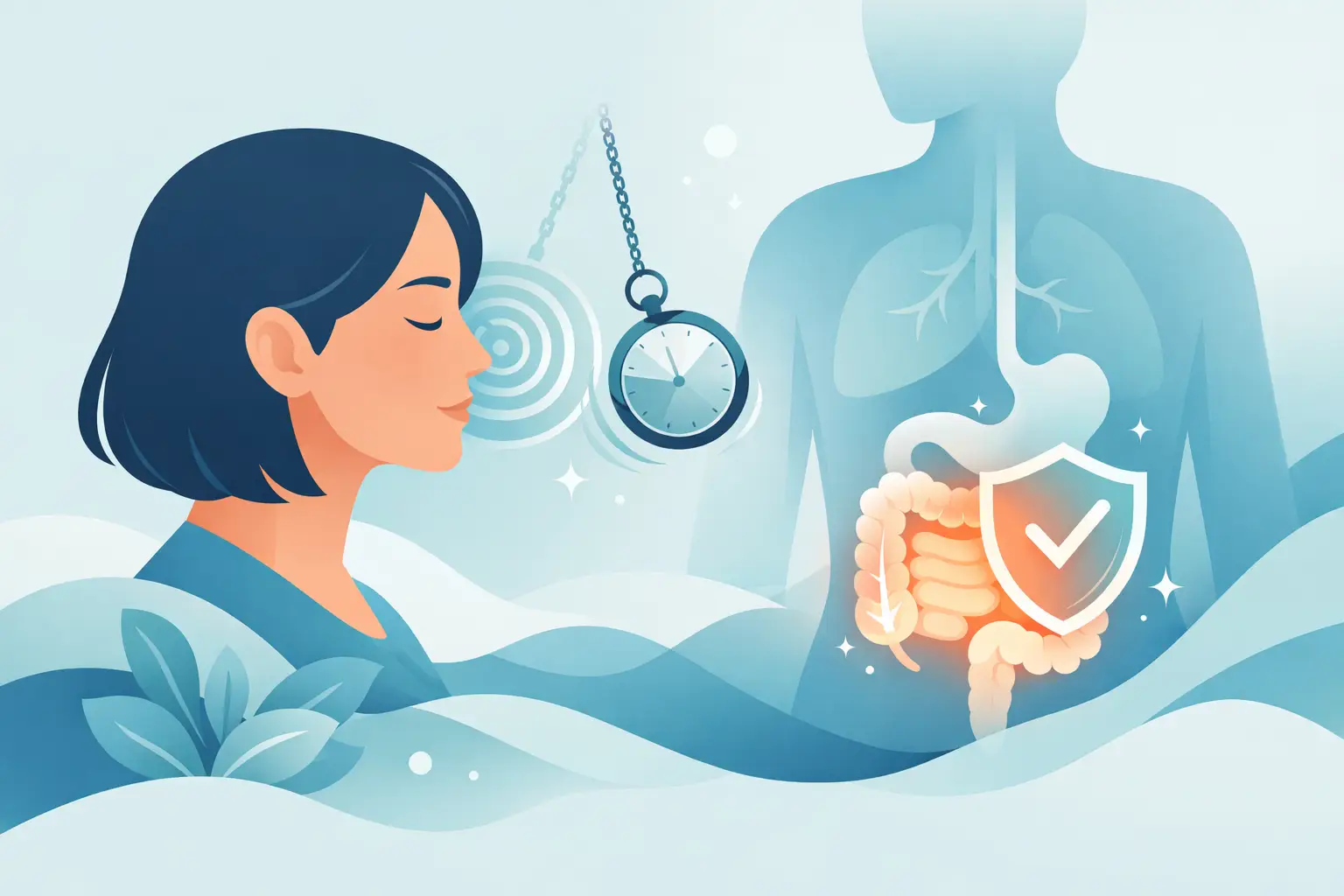
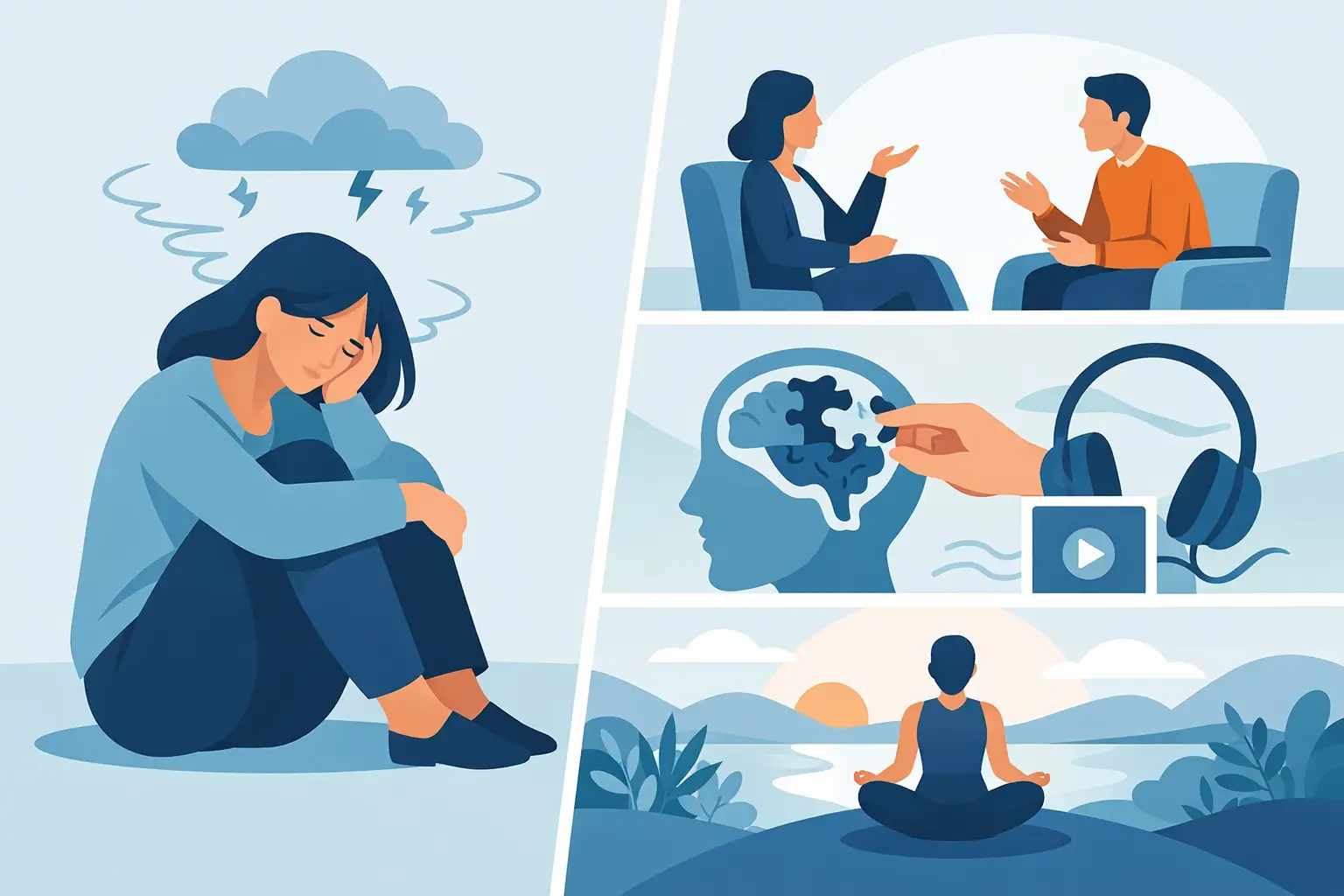
A reduced sex drive can feel confusing, particularly when the rest of life appears to be functioning well. You may care deeply about your partner, want closeness, and still find that desire is absent or unreliable. So, does hypnotherapy improve libido? For some people, it can help by addressing the stress, anxiety, pressure and learned responses that are getting in the way. It is not a substitute for medical assessment, and it is not a promise that desire will return on demand.
Libido is not a simple switch. It changes with health, sleep, hormones, medication, mood, relationship dynamics, work pressure and the way we feel about ourselves. A useful therapeutic approach starts by understanding which of these factors are most relevant to you, rather than assuming the issue is purely psychological.
Why libido can change
Sexual desire naturally rises and falls across a lifetime. A demanding period at work, caring responsibilities, poor sleep or a difficult patch in a relationship can all affect it. For many London professionals, the body has become accustomed to operating in a state of urgency: answering messages late, mentally rehearsing tomorrow’s tasks, and rarely having a true pause. Desire often struggles when the nervous system remains on alert.
There can also be physical reasons for a change in libido. Hormonal shifts, menopause or perimenopause, pregnancy and the postnatal period, erectile difficulties, pain during sex, thyroid conditions, diabetes, depression, and some prescription medicines can all play a part. Alcohol and recreational drug use may affect sexual response too.
That is why a sudden, persistent or distressing change in desire is worth discussing with a GP or appropriate sexual health professional. A clinician can review physical symptoms, medication and relevant tests. Therapy can sit alongside this care, especially where worry, avoidance or pressure have developed around sex.
How hypnotherapy may help with libido
Hypnotherapy is a focused, relaxed state in which you remain aware and in control. It is not about being made to do anything against your will. Used carefully, it can help people notice and change automatic patterns – particularly patterns involving anxiety, self-criticism, fear and anticipation.
When clients visit our practice, they could be feeling embarrassed that sex has become difficult to talk about, frustrated by a body that seems not to respond, or worried that the problem says something fundamental about their relationship. These reactions are understandable. Yet the more sex becomes a test to pass, the more the mind and body can move away from ease and connection.
Hypnotherapy may be useful where low libido is connected to:
- ongoing stress, burnout or difficulty switching off
- performance anxiety or fear of disappointing a partner
- negative body image and harsh self-judgement
- past experiences that have made intimacy feel unsafe or pressured
- a cycle of avoidance, guilt and increasing tension
- low confidence following erectile problems, pain or changes in the body
The aim is not to persuade someone to want sex, nor to impose a particular idea of what a healthy sex life should look like. The aim is to reduce unnecessary distress and help you respond more freely to your own needs, boundaries and relationships.
The anxiety-performance cycle
A common pattern begins with one disappointing experience. Perhaps arousal did not arrive, an erection was difficult to maintain, orgasm felt out of reach, or sex was painful. The next time, attention turns inward: Will it happen again? What are they thinking? Why can’t I relax?
That close monitoring can activate the very stress response that interferes with arousal. Instead of being present with sensation, affection and communication, the person is scanning for signs of failure. Avoidance may then feel safer in the short term, but it can make the next encounter feel even more loaded.
In our practice, we often see clients who have spent months trying to think their way out of this cycle. They may have read advice, reassured themselves repeatedly, or pushed themselves to perform. Hypnotherapy can provide a different route: helping the nervous system practise calm, reducing the emotional charge attached to previous experiences, and building more helpful expectations.
This work may include guided relaxation, imagery, noticing unhelpful internal language, and practical techniques to use between sessions. Depending on the person, cognitive hypnotherapy may be combined with approaches such as NLP or EFT to explore the beliefs and emotional triggers maintaining the problem. The treatment is tailored, not scripted.
What the evidence and limits suggest
Research specifically on hypnotherapy for low libido is still limited. The evidence is stronger for hypnotherapy in areas that can overlap with sexual wellbeing, such as anxiety, stress, some pain conditions and irritable bowel symptoms. There is also clinical experience of hypnotherapy supporting people with performance anxiety and psychological factors affecting sexual response.
That distinction matters. Hypnotherapy is more likely to help when anxiety, fear, shame, stress or conditioned expectations are central to the problem. It may be less effective as a stand-alone approach where a medication side effect, untreated depression, hormonal change or physical condition is the main driver. In those cases, therapeutic support can still be valuable, but it should complement medical care rather than replace it.
All people are different, but we see some who may be surprised to find that libido improves only after the pressure to improve it is reduced. A person may first need better sleep, clearer boundaries around work, treatment for pain, space to process a difficult experience, or more honest conversations with a partner. Desire tends to respond better to safety than to force.
A thoughtful approach to sexual concerns
A first session should make room for the wider picture. You may be asked when the change began, whether it is situational or present in every context, how stress and mood have been recently, and whether there are physical symptoms. There is no need to share more detail than feels appropriate, but clarity helps shape suitable support.
For some clients, individual work is the right place to begin. It can help rebuild confidence without the immediate pressure of involving a partner. For others, relationship counselling or psychosexual therapy may be an important addition, particularly where communication, resentment, mismatched desire or trust are involved.
Practical changes can matter as much as the therapy itself. This might mean protecting time that is not work-focused, reducing the expectation that every intimate moment must lead to sex, or agreeing with a partner to talk about touch and boundaries outside the bedroom. These are not quick fixes. They are ways of making intimacy feel less like another demand on an already crowded life.
When to seek medical advice first
It is sensible to speak to a GP before or alongside therapy if libido has changed suddenly, if you have pain, bleeding, pelvic symptoms, erectile difficulties that persist, marked fatigue, or changes in mood. The same applies if you suspect a medicine is affecting sexual function. Do not stop prescribed medication without medical guidance.
If past sexual trauma is part of the picture, support should move at a pace that feels safe. Hypnotherapy is not about forcing memories or pushing through discomfort. A properly qualified therapist will prioritise consent, stability and your control over the process, and may recommend specialist trauma support where needed.
Low libido is not a personal failure, and it does not automatically mean that love, attraction or a relationship has disappeared. Often, it is information: the mind or body signalling that something needs attention. With the right assessment and a tailored approach, it is possible to reduce the anxiety and pressure that can keep the problem in place.
“If you’re based in London and would like to explore this further, you can get in touch with us.”