The task has been sitting in the same place for days. You may be checking emails, tidying the kitchen, researching the perfect approach, or telling yourself you will start when you feel less tired. Yet the more time passes, the heavier the task becomes. Learning how to break procrastination patterns starts with recognising that this is rarely about laziness or poor character. More often, it is a learned response to discomfort.
For many capable people, procrastination is particularly frustrating because it sits alongside high standards and a genuine wish to do well. You know what needs doing. You may even care deeply about it. But when the moment arrives to begin, something in you pulls away.
Why do people procrastinate? The emotional avoidance model
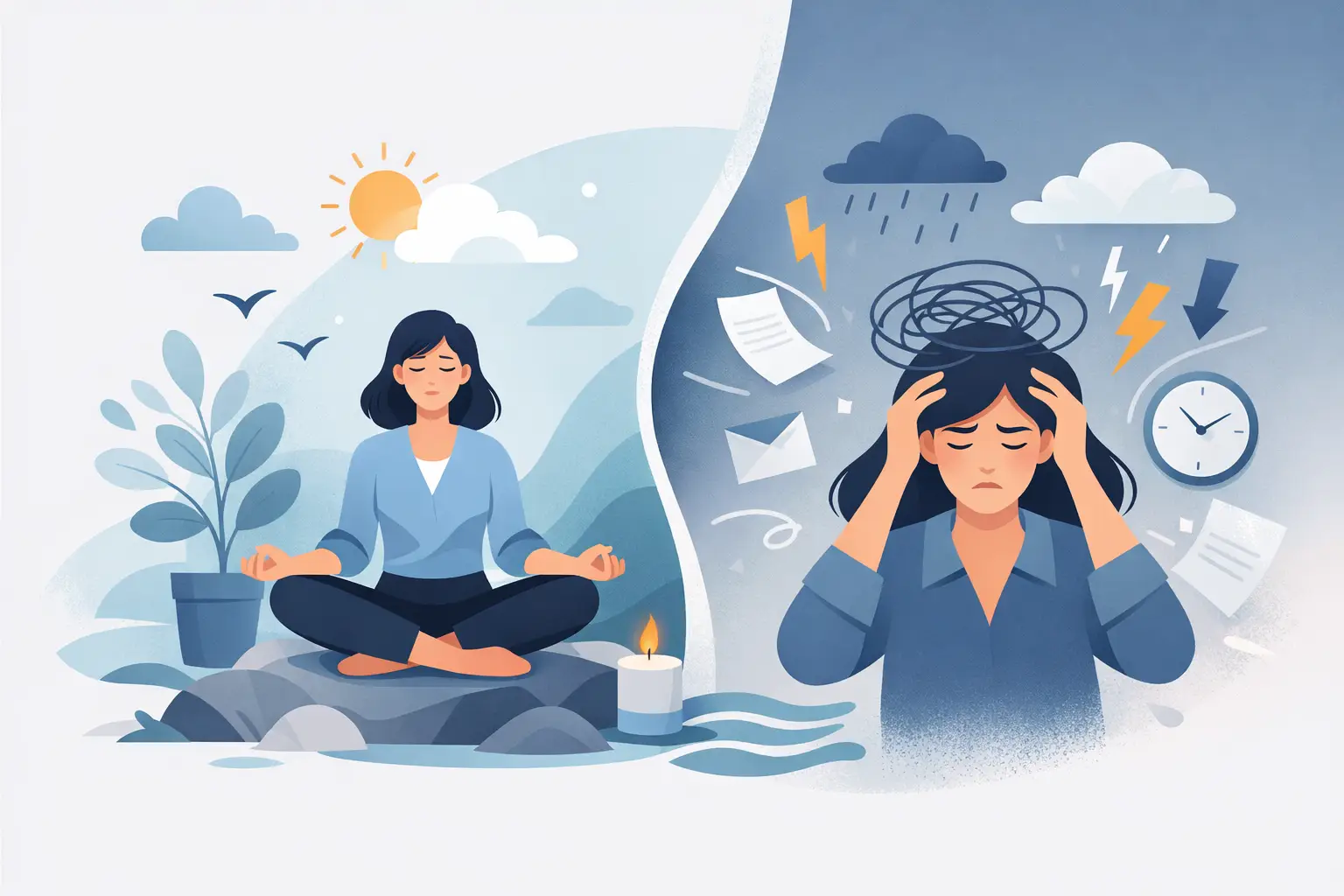
Procrastination can look like poor time management, but the driver is often emotional. A report may bring up worries about being judged. An important phone call may trigger fear of conflict. A job application can carry the possibility of rejection. Even a small task can feel difficult when you are already depleted by stress, anxiety or poor sleep.
Putting something off brings a brief sense of relief. That relief teaches the mind that avoidance works, at least in the short term. The difficulty is that the task remains, often joined by guilt, pressure and self-criticism. The next attempt then feels more threatening than the first.
This is why telling yourself to simply be more disciplined can have limited effect. Discipline can be useful, but it does not address the anxiety, uncertainty or perfectionism that may be maintaining the pattern. A more useful question is: what am I trying not to feel when I avoid this?
When clients visit our practice, they could be feeling overwhelmed by a growing list of unfinished work, ashamed that they cannot get started, or worried that procrastination is affecting their career, finances or relationships. Some have built a successful professional life while privately finding everyday decisions and deadlines exhausting.
How do you make starting feel safer?
The aim is not to force yourself into constant productivity. That approach can lead to a short burst of effort followed by greater exhaustion. The aim is to make beginning feel safer, clearer and more manageable, while gradually weakening the link between discomfort and avoidance.
How small should you break tasks down?
“Write the presentation” is not a first step. It is a large, vague demand that can invite hesitation. “Open the presentation and write three rough headings” is a first step. It is specific, brief and does not require you to feel fully prepared.
Try defining the smallest visible action that moves the task forward. This might mean locating the document, writing an unpolished first sentence, putting one item in an online basket, or drafting the subject line of an email. The point is not to trick yourself. It is to give your mind evidence that starting is possible without a major emotional cost.
Once you have started, you may continue. If you do not, you have still practised approaching rather than avoiding. That matters. Repeated small approaches build trust in your ability to tolerate unfinished, imperfect work.
How do you tell preparation from procrastination?
Planning has a place, particularly with complex work. But planning can also become a polished form of delay. You might spend hours choosing a system, comparing options or waiting to feel completely certain before acting.
Set a boundary around preparation. For example, give yourself 15 minutes to gather information, then move into a practical action. If you are researching, decide beforehand what question you need answered and when you will stop. This is especially helpful for people who are thoughtful, conscientious and prone to overthinking.
All people are different, but we see some who may be waiting for the right mood, the right level of confidence or the right amount of time. Those conditions do not always arrive. In many cases, confidence follows action rather than appearing before it.
What does the language of procrastination sound like?
The words you use internally can make a task feel far more demanding. Thoughts such as “I have to get this exactly right”, “I cannot cope with this today” or “If I start, I need to finish everything” create pressure before any work has begun.
You do not need to replace these thoughts with forced positivity. Instead, make them more accurate and workable. “This feels uncomfortable, but I can spend ten minutes on it.” “A rough draft is allowed.” “I only need to decide the next step.” These statements acknowledge the difficulty without treating it as a reason to stop.
In our practice, we often see clients who… have become highly skilled at anticipating what might go wrong. This can be useful in demanding roles, but when the mind applies the same scrutiny to every task, it can turn ordinary action into a test of worth or safety.
How do you spot your procrastination pattern?
Procrastination often follows a recognisable rhythm. You may delay more when you have slept badly, after a difficult conversation, when your diary is overfull, or when the task has no clear endpoint. Tracking this for a week can reveal more than another productivity app.
Pay attention to what happens just before you avoid the task. Is there a tight feeling in your chest? A sense of mental fog? A thought about failing? Do you reach for your phone when you feel uncertain? Naming the sequence gives you a chance to intervene earlier.
It also helps to distinguish between procrastination and genuine lack of capacity. If you are burnt out, unwell, grieving or severely sleep-deprived, pushing harder may not be the answer. Rest, clearer boundaries and appropriate support may need to come first. A realistic plan is more likely to hold than one based on criticism.
What environment supports action?
Your environment cannot resolve every emotional block, but it can reduce unnecessary friction. Put the materials for an important task where you can see them. Decide when and where you will begin rather than relying on a vague intention to do it later. Keep distracting apps away from the first 20 minutes if they are a habitual escape route.
It can also be useful to work in contained periods. A focused 20 or 30 minutes can feel less threatening than an open-ended afternoon. At the end, write down the precise next action for when you return. This prevents you from having to re-enter the task through uncertainty.
Be careful not to turn these methods into another standard you feel you are failing to meet. The method should serve you, not become another source of pressure. Some people work well with a detailed routine; others need flexibility because their work, caring responsibilities or energy levels vary.
When does procrastination need therapy?
If procrastination has become entrenched, it may be connected to experiences and beliefs that are not solved by better scheduling. Fear of criticism, a harsh inner voice, past failures, perfectionism and chronic anxiety can all make action feel emotionally risky.
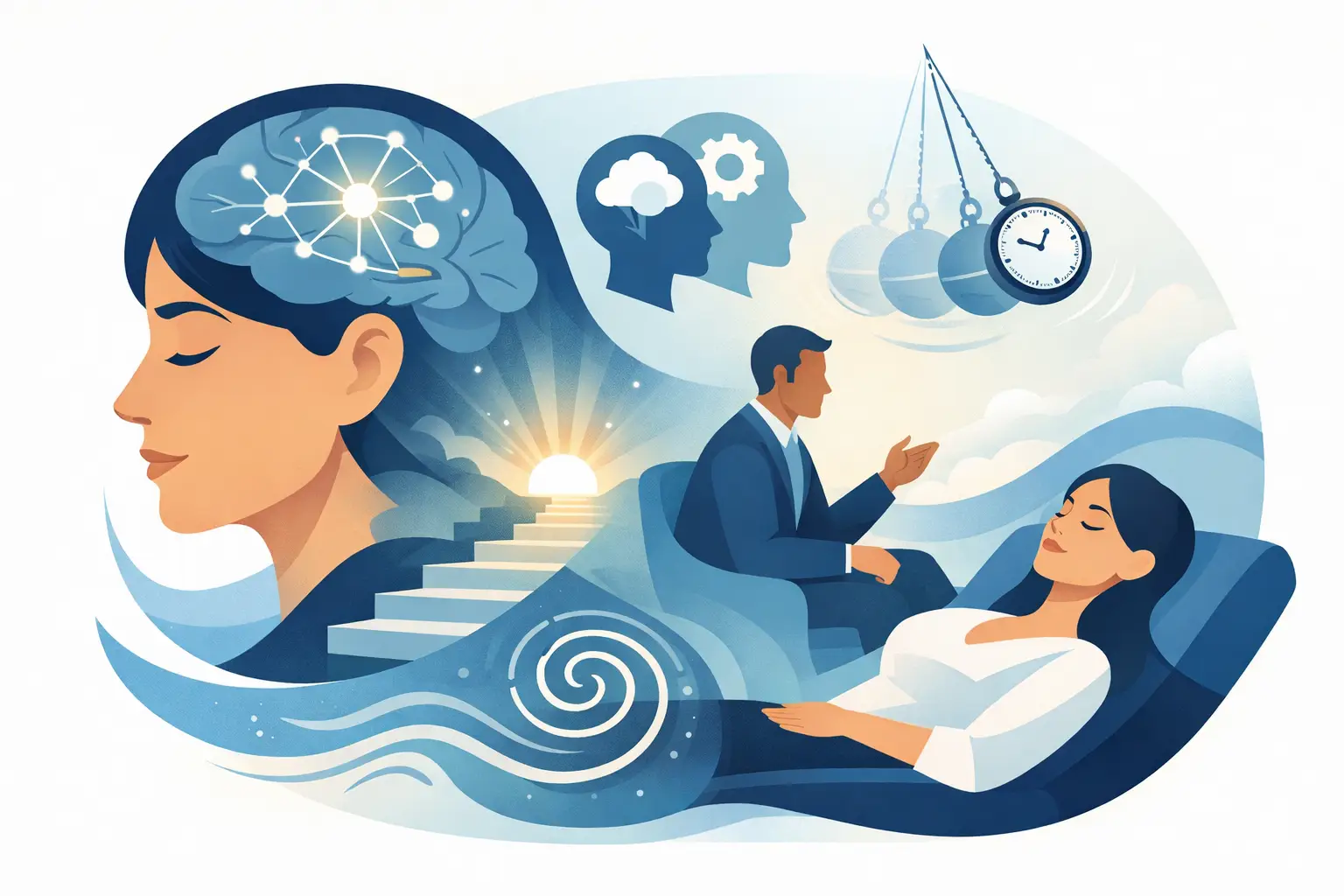
Cognitive hypnotherapy can be useful in exploring the patterns beneath avoidance and the responses that maintain it. Rather than treating procrastination as a simple motivation problem, the work can focus on the associations around the task: what it represents, what you predict will happen, and how you respond when discomfort appears.
Sessions are tailored to the individual. For one person, the focus may be performance anxiety and fear of being judged. For another, it may be the stress response that leaves them frozen and unable to prioritise. Practical techniques can then be used between sessions to support calmer attention, more helpful self-talk and consistent action.
Hypnotherapy is not about making you work against your will or removing every difficult feeling. A realistic aim is to help you respond differently when those feelings arise, so delay no longer feels like the only available option.
The next time you are avoiding something, try not to begin with blame. Pause, identify the smallest next action, and notice what the task is asking you to face. That moment of awareness can be the point at which an old pattern starts to loosen.
“If you’re based in London and would like to explore this further, you can get in touch with us.”
Does guilt and self-criticism make procrastination worse?
Yes. Guilt, shame and self-criticism create a vicious cycle. When you procrastinate, you feel guilty. That guilt makes you feel worse, which triggers more avoidance, which creates more guilt. Breaking this cycle matters as much as the tactics. Self-criticism is associated with anxiety, depression and lower wellbeing, which all feed procrastination. Replacing self-blame with self-compassion acknowledging that the difficulty is real without treating it as a character flaw is how the cycle loosens. Being gentle with yourself isn’t giving up; it’s the foundation for sustainable change.
Does self-forgiveness actually help stop procrastinating?
Research says yes. A study from Carleton University found that students who forgave themselves for procrastinating on their first exam procrastinated less when preparing for the second. Self-forgiveness works because it reduces the negative feelings guilt, shame, anxiety, that reinforce avoidance. Without it, you stay stuck in the loop. The key is genuine forgiveness, not using it as permission to be careless. It’s about moving past the guilt so you can try again, rather than being trapped by it.
Does procrastination cause anxiety, or does anxiety cause procrastination?
Both. The relationship works in two directions. Anxiety and fear can trigger procrastination as a way to escape the discomfort. But procrastination then creates more anxiety, as deadlines approach, pressure builds, and the guilt compounds. This feedback loop is why telling yourself to “just start” often fails; you’re asking your nervous system to approach something it has learned to avoid. Therapy can help interrupt this cycle by addressing the anxiety beneath the avoidance, so starting no longer feels emotionally risky.
Should I reward myself after completing a task to stay motivated?
Rewards can help, but only if used carefully. Research shows that completing a difficult task on time — noticing how good it feels to finish is often enough motivation. However, some people find that promising themselves a small treat (a coffee, a walk, time off) helps reinforce the behaviour. The catch: the reward works best when it’s not a substitute for addressing the underlying emotion. If you’re rewarding yourself to escape the feeling of procrastination rather than to reinforce progress, you may just be repeating the avoidance pattern in a different form.
What’s the difference between procrastination caused by ADHD and procrastination caused by anxiety?
ADHD-related procrastination is about difficulty starting and sustaining attention, it’s an executive function challenge, not an emotional avoidance pattern. You may genuinely want to start but your brain won’t cooperate; you’re not stuck in fear, you’re stuck in initiation. Anxiety-related procrastination is driven by discomfort, perfectionism, fear of judgment, uncertainty. They need different approaches. ADHD often benefits from structure, external accountability and sometimes medication. Anxiety-driven procrastination responds better to addressing the emotional pattern. If you suspect ADHD, seeking an assessment from a healthcare professional can help you identify which is driving your pattern, so you can use strategies that actually fit.