That 3am mind-race, the tight chest before a meeting, the sense that even small tasks feel oddly heavy – this is often the moment people start searching for how to reduce anxiety stress. Not because they want abstract advice, but because they need something that works when pressure is building and life still expects them to function.
For many adults, especially busy professionals, anxiety and stress do not always look dramatic. They can show up as irritability, overthinking, shallow breathing, poor sleep, a digestive flare-up, tension headaches, procrastination, or the feeling that you are always “on”. You may still be performing well on the outside while feeling worn down internally. That matters, because high-functioning anxiety is still anxiety, and chronic stress still takes a toll.
The good news is that relief does not usually begin with one grand breakthrough. More often, it starts with understanding what your system is doing, then responding to it in a way that restores a sense of safety, control and momentum.
How to reduce anxiety stress in the moment
When anxiety rises, your body tends to move faster than your rational mind. Heart rate increases, breathing becomes shallow, muscles tighten, and your attention narrows around threat. In that state, trying to “think your way out” can be frustrating. The first task is to help the nervous system settle.
Start with your breathing, but keep it simple. Slow, steady exhalations are often more effective than forcing deep breaths. Try breathing in gently for a count of four and out for a count of six. The aim is not perfection. It is to give your body a cue that the immediate danger has passed.
Next, reduce stimulation. If possible, step away from screens, noise or demanding conversation for two minutes. Put both feet on the floor. Notice the chair supporting you or the ground beneath you. Anxiety pulls attention into imagined futures. Grounding brings it back to what is actually happening now.
Language matters too. Instead of telling yourself, “I am losing control,” try, “My system is activated, and it will settle.” That small shift can reduce the secondary fear that often keeps anxiety going. You are not pretending everything is fine. You are giving your mind a more accurate frame.
If your stress tends to spike in predictable moments – before presentations, during travel, after difficult emails – build a short regulation routine you can repeat. A minute of slower breathing, relaxed shoulders, and one calming phrase can become a reliable pattern. Repetition helps the brain learn that these situations are manageable.
Why anxiety and stress often feed each other
Stress is not always the enemy. In short bursts, it can sharpen focus and help you perform. The problem begins when pressure becomes constant and recovery disappears. Then stress starts to sensitise the nervous system, making you more reactive, more vigilant and more likely to interpret ordinary demands as threats.
That is where anxiety often steps in. You begin to worry about how you are coping, whether you will sleep, how you will come across, whether your symptoms mean something is wrong. The body feels stressed, the mind becomes anxious about the stress, and the cycle tightens.
This is why generic advice can feel disappointing. If someone tells you simply to “relax”, it misses the fact that your mind and body may have learned a pattern. Real change usually comes from working at both levels – calming the physical response and addressing the thought loops, beliefs and triggers that keep reactivating it.
What actually helps over time
If you want to know how to reduce anxiety stress in a lasting way, think less about quick fixes and more about regulation, patterns and support. The most effective approach is usually layered.
Sleep is a major factor, but not in the simplistic sense of getting eight perfect hours. What helps more is teaching the body consistency. Going to bed at wildly different times, scrolling late into the night, or trying to “catch up” on weekends can keep the nervous system unsettled. A calmer evening rhythm, lower stimulation before bed, and a repeatable wind-down routine can make a noticeable difference.
Caffeine is another common trigger, especially for people who are already running on adrenaline. You do not always need to cut it out entirely, but it is worth being honest about the effect. If your heart races, your thoughts speed up, or your stomach becomes reactive after coffee, reducing the amount or changing the timing may help more than you expect.
Movement also matters, though the type matters too. Intense exercise can be brilliant for some people and overstimulating for others, particularly when they are already exhausted. Walking, swimming, stretching, yoga or strength training can all help. The right choice is the one that leaves you feeling steadier rather than depleted.
Then there is mental load. Anxiety often grows in ambiguity. Half-finished tasks, unread messages, postponed decisions and unspoken worries all create background pressure. You do not need a perfect life admin system, but reducing open loops can ease the sense of internal chaos. Write things down. Break the next step into something small enough to start. Clarity lowers stress.
When self-help is not enough
There is a point where coping strategies alone stop being enough. If anxiety is affecting sleep, relationships, work performance, confidence, digestion or day-to-day freedom, it may be time for more focused support. That is not a failure. It is often the moment real progress starts.
Therapeutic work can help because it goes beyond symptom management. Rather than only teaching you to calm down after anxiety appears, it can help identify why your system is reacting in the first place. That may involve unresolved stress, ingrained beliefs, anticipatory fear, perfectionism, burnout, or old emotional learning that no longer serves you.
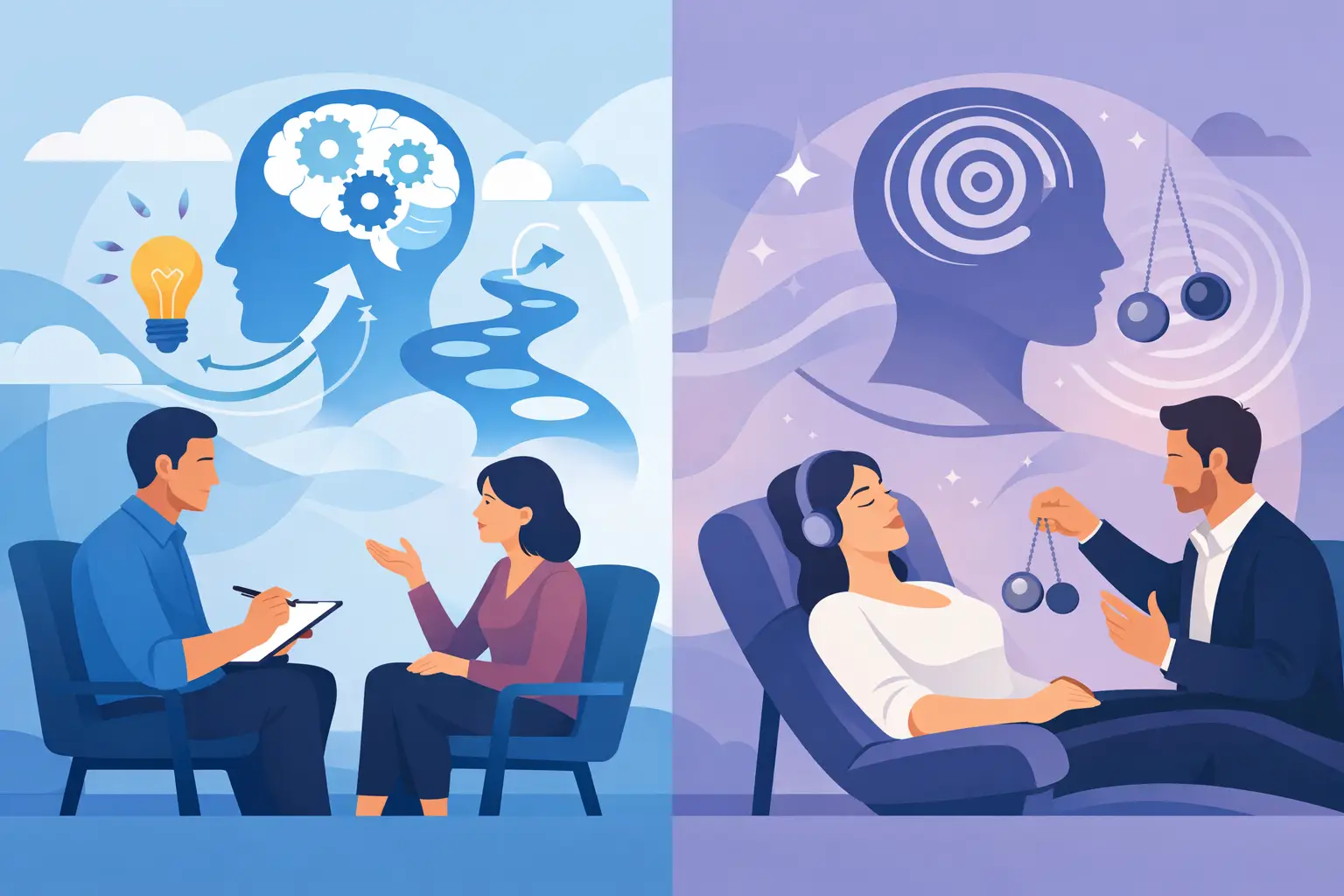
This is where tailored approaches can be especially valuable. Cognitive hypnotherapy, for example, is not about surrendering control or being made to do anything against your will. Used properly, it is a focused therapeutic process that helps clients change unhelpful patterns, access a calmer state more easily, and build more useful responses to stress triggers. For many people, especially those who feel they have already “tried everything”, that personalised approach can feel very different from one-size-fits-all advice.
At City of London Hypnotherapy, this kind of work is often supported by complementary methods such as NLP, EFT and relaxation-based techniques, depending on the person in front of us. The important point is not the label. It is whether the treatment is tailored, practical and geared towards meaningful change.
Small habits that quietly reduce anxiety stress
Some of the most effective changes are not dramatic. They are the quiet adjustments that stop your system from being pushed to the edge every day.
A useful starting point is to notice your personal early-warning signs. Perhaps you become snappy, stop eating properly, clench your jaw, rush your speech, or start catastrophising about minor issues. Spotting the pattern earlier gives you more choice. You can step in before the spiral gathers speed.
It also helps to create transition points in the day. Many people move straight from work stress to home responsibilities without any mental reset. Even ten minutes between roles can help – a walk round the block, a short audio relaxation, a change of clothes, or simply sitting without input. Your nervous system benefits from clear signals that one demand has ended.
Boundaries matter here as well. If you are constantly reachable, constantly responsive and constantly mentally engaged, anxiety has no room to settle. That does not mean becoming unavailable to everyone. It means deciding when you are on and when you are off, then protecting that distinction where you can.
And if your anxiety tends to attach itself to performance, remember this: striving and safety are not the same thing. Many capable people push themselves hard because they believe pressure is the reason they succeed. Sometimes it is. But often, calmer people perform better because their thinking is clearer, their focus is stronger, and their recovery is better.
Relief starts with the right kind of support
If you have been living with constant pressure for a while, you may have forgotten what calm feels like. That does not mean it is gone. It means your system may need help learning a different pattern.
The most useful question is not, “Why can I not cope better?” It is, “What does my mind and body need in order to feel safer, steadier and more in control?” For some people, that begins with better sleep, fewer stimulants and simple regulation tools. For others, it means working with a qualified therapist to change the deeper drivers of anxiety.
Either way, progress is rarely about becoming a different person. It is about removing what keeps pulling you into stress, so you can think more clearly, feel calmer in your body, and move through life with more confidence than fear.