A dental appointment can feel disproportionately difficult when your body has learned to associate the dentist with danger. You may know you need a check-up, have every intention of booking it, then find yourself postponing the call, cancelling at the last moment or feeling tense for days beforehand. To overcome dental anxiety, it helps to work with both the immediate fear and the experiences or expectations that keep it in place.
Dental anxiety is not a sign of weakness or a lack of common sense. Many capable, busy people can manage demanding jobs, family responsibilities and high-pressure situations, yet feel overwhelmed by the thought of sitting in a dental chair. The setting itself can be intensely evocative: the smells, sounds, loss of control, fear of discomfort, or concern about being judged for avoiding treatment.
Why dental anxiety can become so persistent
For some people, the fear has a clear starting point. Perhaps there was a painful procedure in childhood, a dentist who did not explain what was happening, or an experience of feeling trapped and unable to stop treatment. Even when dental care has changed considerably since then, the nervous system may respond as though the old threat is happening again.
For others, there is no single bad memory. Anxiety can build gradually through stories from others, concerns about needles or gagging, a sensitive gag reflex, fear of bad news, or a general tendency to anticipate the worst. If you already live with stress, health anxiety, panic symptoms or a need to stay in control, dentistry may bring those feelings into sharp focus.
Avoidance often gives short-term relief. Cancelling an appointment stops the anxious feeling for the moment, so the mind learns that avoiding the dentist is protective. The difficulty is that a delayed check-up can allow uncertainty, and sometimes dental problems, to grow. By the time you next consider booking, the imagined appointment may feel far more frightening than it did before.
How to overcome dental anxiety without forcing yourself through it
The aim is not to pretend you are perfectly relaxed or to push through in silence. A more helpful goal is to feel sufficiently safe, informed and in control to take the next manageable step. That might initially be choosing a dentist, making a phone call, attending for a consultation only, or sitting in the waiting room for a few minutes.
Start by being clear with the dental practice about your anxiety. You do not need to give a full personal history to say that you are nervous and may need a slower pace. Ask whether you can meet the dentist before treatment, what options are available for pain management, and how they handle anxious patients. A good clinician should welcome these questions rather than make you feel awkward for asking.
It can also help to agree a simple stop signal before treatment begins, such as raising your hand. This matters because anxiety often increases when people fear they will not be able to communicate. Knowing that you can pause, ask a question or take a breath restores a practical sense of choice.
Avoid reading alarming accounts online the night before an appointment. Your mind is likely to treat vivid stories as evidence that the same thing will happen to you. Instead, prepare a short list of factual questions for your dentist. What will happen first? How long is it likely to take? What sensations are normal? What are the alternatives if you need a break?
Use the body to reduce the alarm response
Anxiety is not only a set of thoughts. It is also physical: a racing heart, shallow breathing, tense shoulders, nausea, sweating or an urge to escape. Trying to reason with yourself while your body is in full alarm can be frustrating. Begin with your physiology instead.
Before and during the appointment, breathe gently and make the out-breath slightly longer than the in-breath. For example, breathe in comfortably through your nose, then breathe out slowly without forcing it. There is no need to take large, dramatic breaths, which can sometimes make light-headedness worse. The purpose is simply to give your body a quieter rhythm.
Notice where you are bracing. Relax your jaw, let your hands rest open, and drop your shoulders away from your ears. You might press your feet lightly into the floor and name a few neutral details in the room. These small actions give your attention somewhere concrete to go when your mind starts predicting disaster.
If music helps, ask whether you may use headphones. Some people prefer a familiar podcast or audiobook, while others find silence less distracting. It depends on whether sound is a source of comfort or whether you need to hear the dentist’s instructions clearly.
Addressing the thoughts behind the fear
When clients visit our practice, they could be feeling embarrassed that they have avoided dental care for years, worried about their health, or exhausted by the amount of mental space the fear takes up. Shame can make people delay help further, particularly if they expect criticism about their teeth. Yet dentists regularly see people who have missed appointments, and the most useful next step is usually an honest conversation, not self-punishment.
“In our practice, we often see clients who…” have tried to talk themselves out of their fear repeatedly, only to find that their response returns as soon as an appointment is booked. This is because the fear may be operating as an automatic learned pattern, rather than a problem that can be solved by logic alone.
All people are different, but we see some who may be responding to a specific memory, while others are more affected by uncertainty, bodily sensations or fears of losing control. Understanding the pattern matters. Someone who fears injections may need a different approach from someone whose main concern is being unable to leave the chair, receiving bad news, or feeling judged.
Try to notice the exact sentence that runs through your mind before an appointment. It may be, “I will not cope”, “It will be unbearable”, or “They will tell me something is terribly wrong.” Then ask a more balanced question: what evidence would help me feel prepared, and what support can I put in place? This is not about offering yourself false reassurance. It is about moving from a frightening prediction to a plan.
Where hypnotherapy may help with dental fear
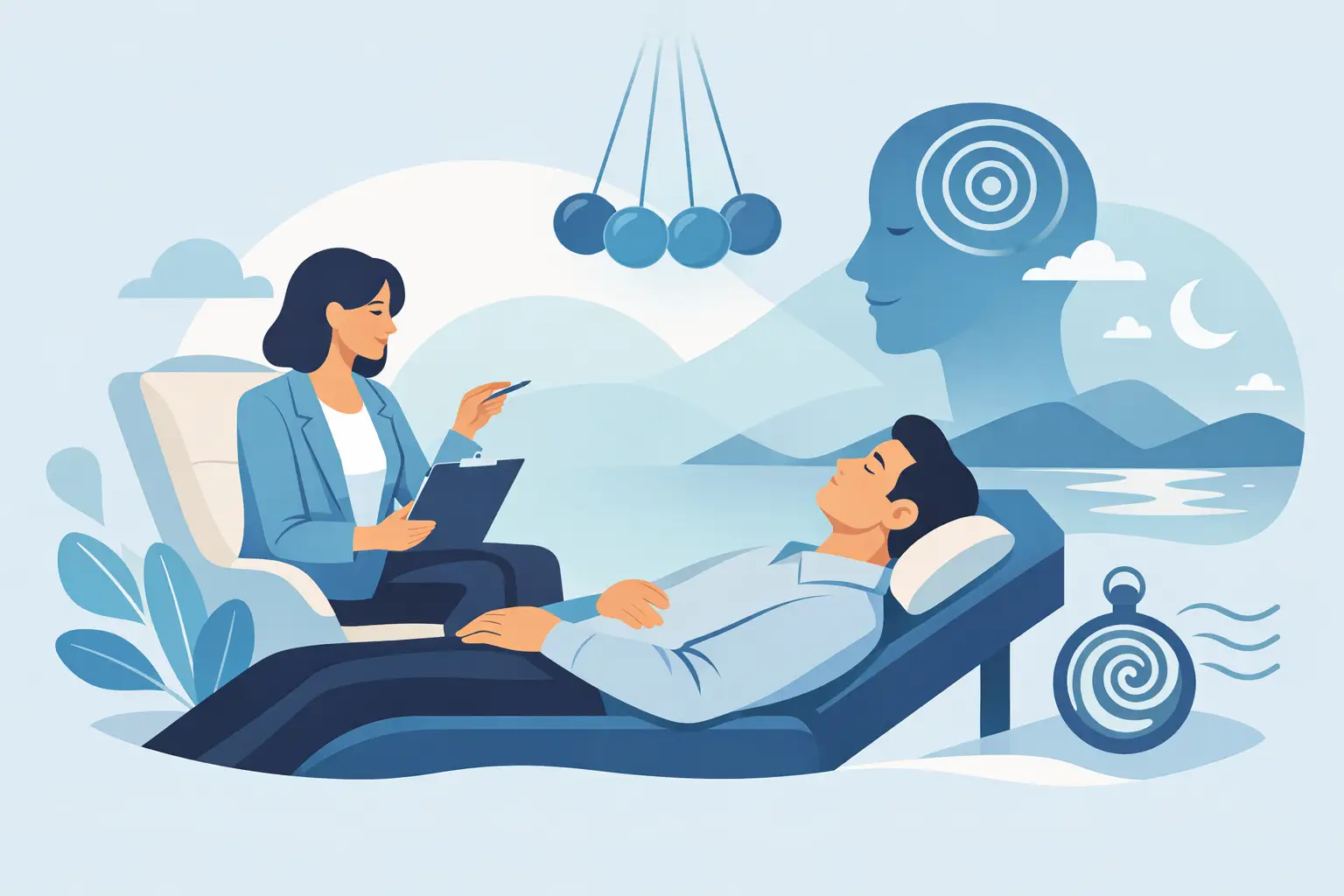
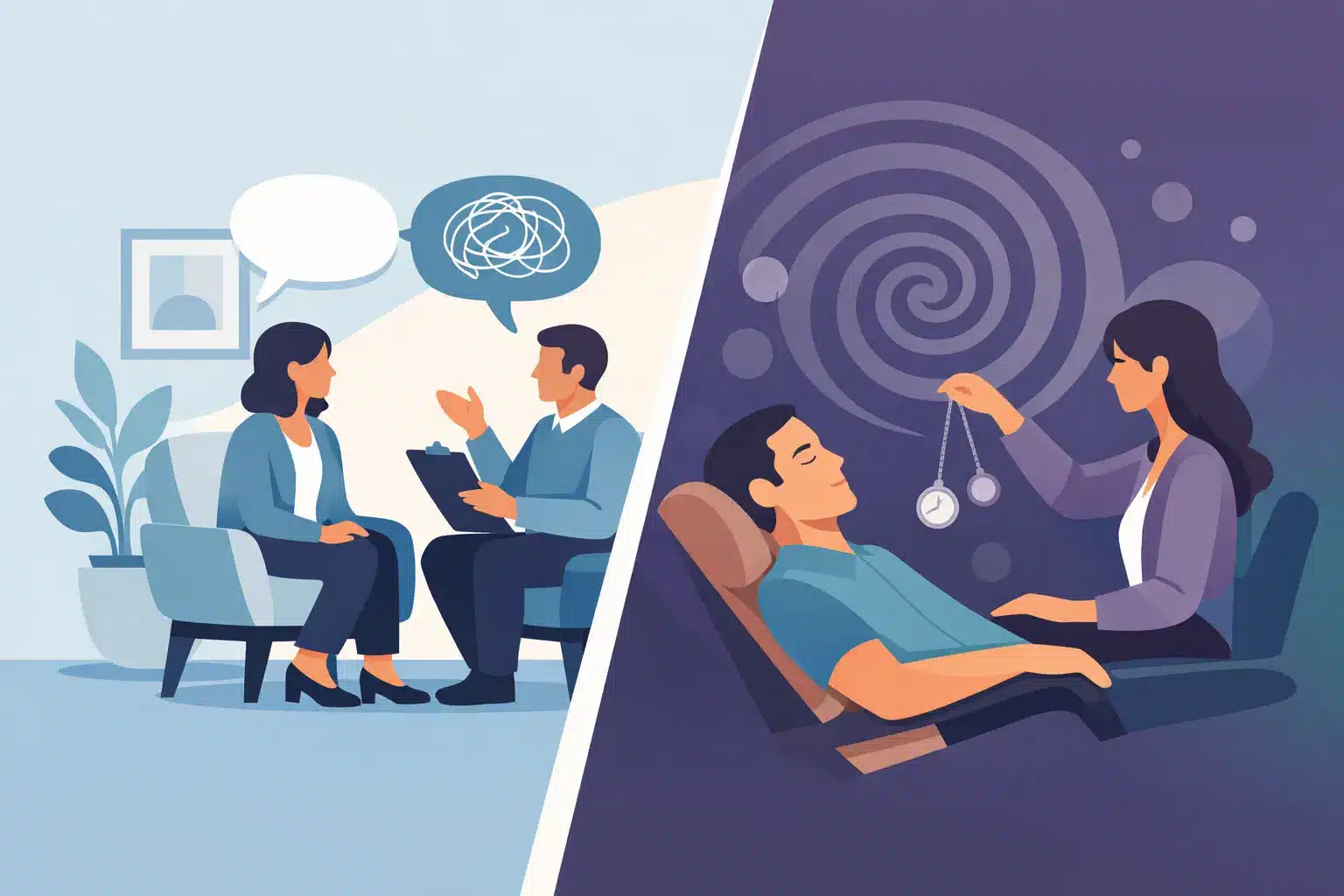
Hypnotherapy can be useful when dental anxiety feels deeply ingrained, when you understand the fear but still cannot settle it, or when avoidance has become a repeated pattern. It is not a substitute for appropriate dental care, pain relief or advice from your dentist. Rather, it may help you approach treatment with a different emotional and physical response.
At City of London Hypnotherapy, sessions are tailored to the way your anxiety presents. Cognitive hypnotherapy may be combined with practical relaxation work and approaches such as NLP or EFT where appropriate. The focus is on identifying the triggers, reducing the intensity of the alarm response and practising ways to feel more in control before and during appointments.
For some clients, this includes carefully working with an earlier difficult experience. For others, the work is more present-focused: rehearsing a future appointment in a calmer state, changing unhelpful expectations and building confidence in their ability to pause, communicate and cope. No method should be presented as a guarantee, and the number of sessions depends on the person, the severity of the fear and any wider anxiety concerns.
Make the next appointment smaller
You do not have to begin with a major procedure. If possible, book a short check-up or a conversation with the dentist. Plan how you will travel there, allow extra time so that you are not rushing, and decide what you will do afterwards. A calm walk, a quiet coffee or returning to a familiar routine can help your nervous system register that you managed the experience safely.
It is also worth recognising progress accurately. Booking the appointment counts. Turning up counts. Asking for a pause counts. Confidence often develops after action, not before it. Each manageable experience can give your mind new evidence that dental care does not have to mean being powerless or overwhelmed.
If you’re based in London and would like to explore this further, you can get in touch with us.