A career change can look sensible on paper and still feel deeply unsettling. You may have the experience, a clear reason for leaving and even an idea of what comes next, yet find yourself hesitating over applications, conversations or decisions. Career change confidence coaching is not about pushing yourself into a dramatic leap. It is about understanding what is making the change feel difficult, then developing a steadier way to move forward.
For many professionals in London, work has become tied closely to identity, financial security and routine. Leaving a familiar role can bring relief and anxiety at the same time. You might worry about making the wrong choice, losing status, disappointing others or discovering that the new direction is not what you hoped. These are understandable concerns, particularly when you are used to being capable and composed at work.
Why a career change can affect confidence
Confidence is often misunderstood as a fixed personality trait. In practice, it tends to change with context. Someone may lead meetings well, manage demanding clients and make difficult decisions in their current role, then feel unusually uncertain when updating their CV or describing their skills for a different field.
A career change removes some of the familiar markers that have helped you feel secure. You may no longer be the person who knows the systems, the people or the answers. If your work has been a major source of validation, the prospect of becoming a beginner again can feel exposing.
There can also be a build-up of stress behind the decision. Perhaps you have been dealing with a difficult manager, long hours, burnout or a role that no longer fits your values. In that state, deciding what to do next can feel less like an exciting opportunity and more like another problem to solve. The mind may respond by overthinking every option or avoiding the issue altogether.
When clients visit our practice, they could be feeling stuck between two uncomfortable positions: remaining in a job that is draining them, or facing the uncertainty of leaving it. They are often functioning well enough for colleagues not to notice the strain. But internally, they may be tired, self-critical and unsure which thoughts to trust.
What career change confidence coaching can address
Good career support does not assume that lack of confidence is the only obstacle. Sometimes the practical question is genuinely complex. A change may require retraining, a reduction in income, flexible working around family responsibilities or a realistic assessment of the job market. It is useful to separate these practical considerations from the emotional patterns that can make every choice seem impossible.
Career change confidence coaching can help you notice the difference between caution and fear. Caution asks helpful questions: Can I afford this? What experience do I need? Who can I speak to? Fear tends to speak in absolutes: I am too old, everyone else is ahead, I will fail, it is safer not to try. Both deserve attention, but they need different responses.
In our practice, we often see clients who have already done considerable research and know more about their options than they give themselves credit for. What is holding them back is not a lack of information. It may be a fear of judgement, a long-held belief that they are not good enough, or an ingrained habit of putting everyone else’s needs before their own.
All people are different, but we see some who may be carrying messages from earlier experiences into their working lives. A critical teacher, an unsuccessful interview, redundancy or a period of financial pressure can leave a strong emotional association. Years later, a perfectly reasonable job application can trigger the same old sense of dread. The reaction can feel disproportionate, but it usually has a history.
Working with the patterns beneath hesitation
At City of London Hypnotherapy, career-focused work is tailored to the individual rather than based on a standard script. The aim is not to convince you that every move will work out exactly as planned. No therapist can make that promise. The work is more useful when it helps you feel calmer, think more clearly and respond to setbacks without treating them as proof that you should give up.
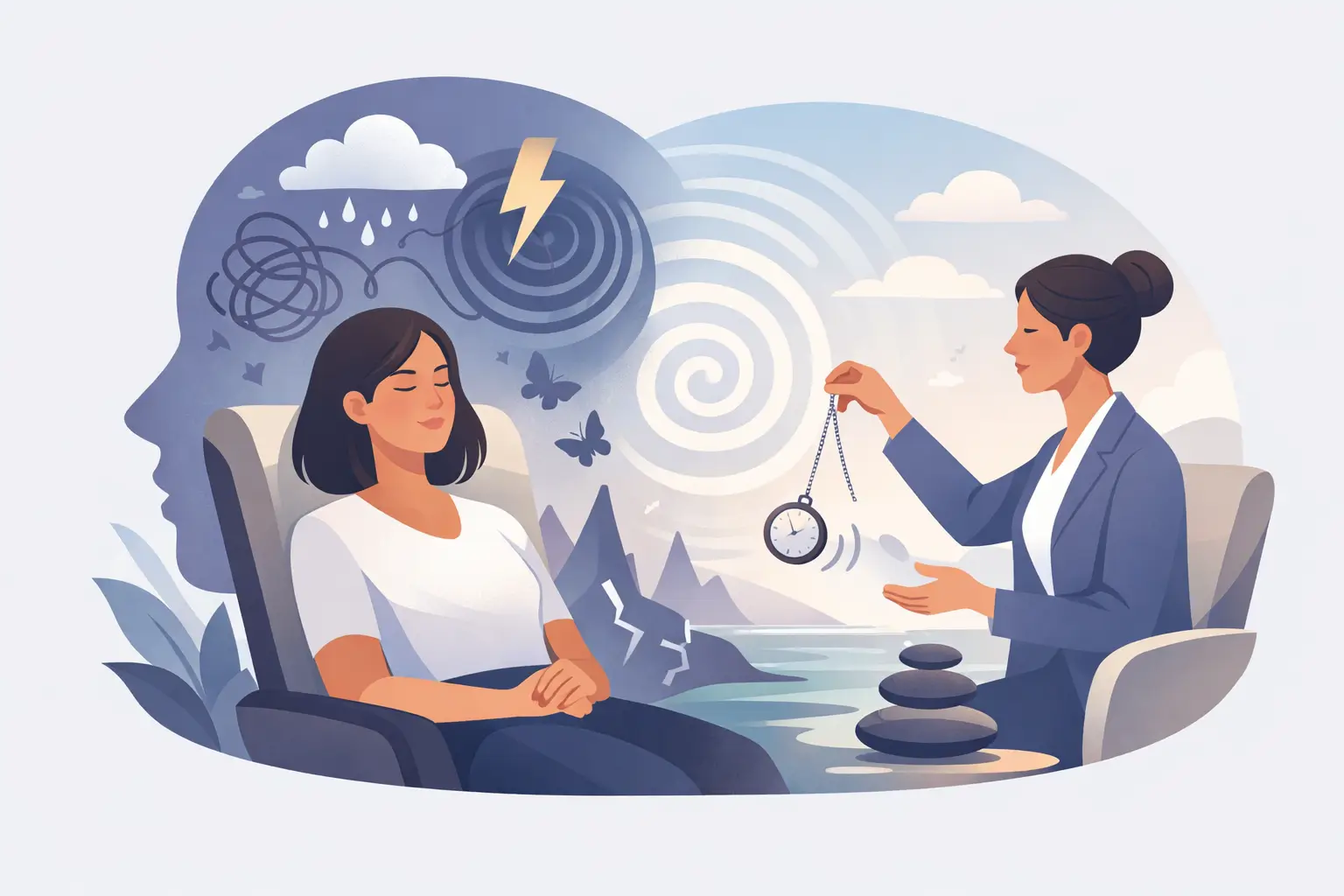
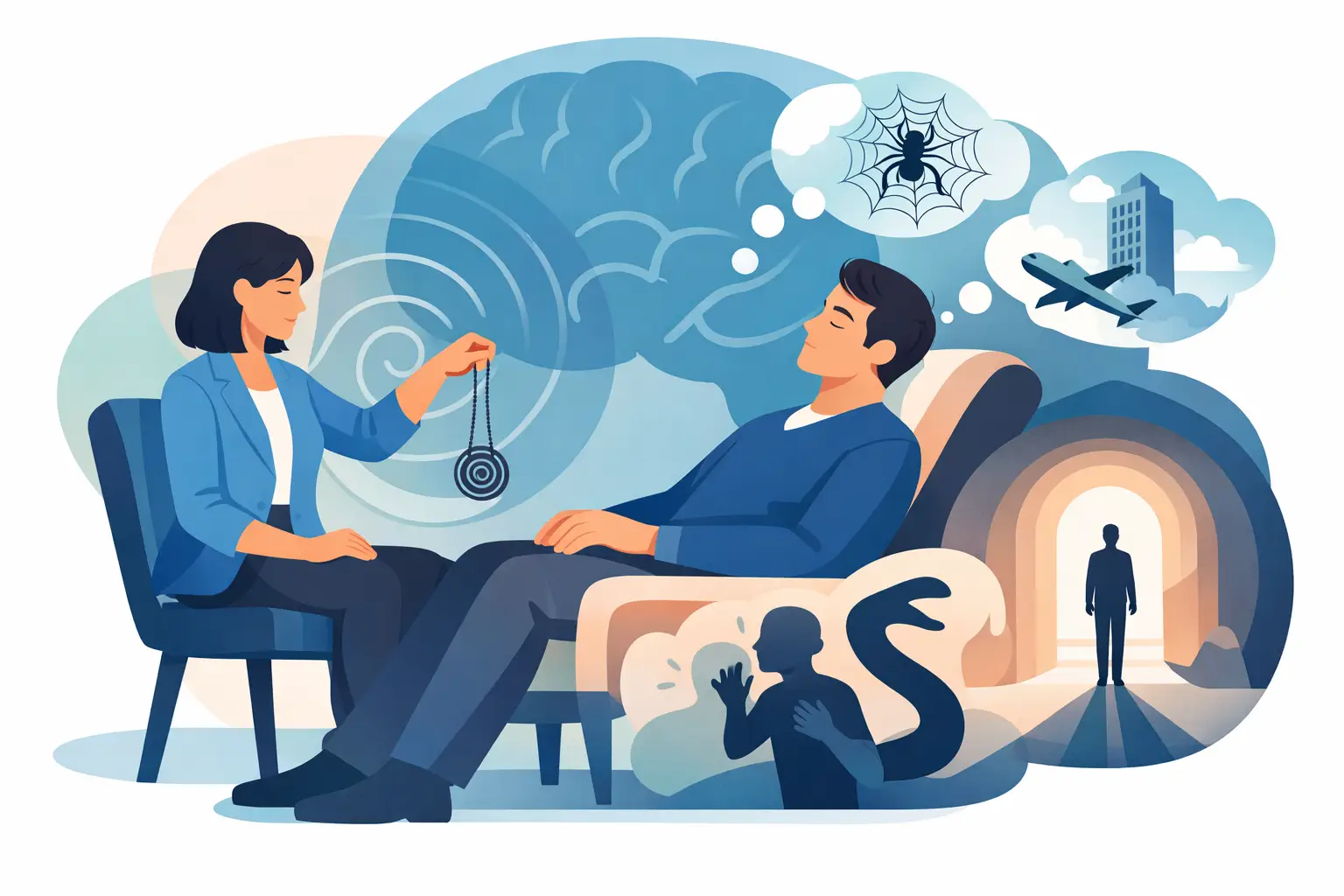
Cognitive hypnotherapy can be used to explore the personal patterns connected to confidence, anxiety and decision-making. Hypnosis is a focused, relaxed state in which you remain aware and in control. For some people, it can make it easier to step back from repetitive thoughts and rehearse a more balanced response to situations that currently feel threatening, such as interviews, networking events or conversations about salary.
Complementary approaches may also be appropriate. NLP-based techniques can help identify how you mentally represent a difficult situation and shift an unhelpful internal response. EFT may be used where emotional intensity is high, particularly around past experiences that still feel charged. Practical relaxation methods can support sleep and stress levels when career worries have started to follow you home.
The method matters less than whether it suits the person in front of us. Some clients need space to work through a decision they have been avoiding. Others need help interrupting the physical anxiety that takes over before an interview. Someone else may be clear about their new direction but struggle to communicate it with conviction. A thoughtful approach starts with understanding the problem properly.
Building confidence through evidence, not pressure
Confidence rarely appears before action. More often, it develops when you gather evidence that you can tolerate uncertainty and take sensible steps despite it. This does not mean forcing yourself into situations before you are ready. It means choosing actions that are challenging enough to create movement, but manageable enough that you can learn from them.
For example, rather than deciding you must immediately resign or secure an entirely new role, you might start by having one exploratory conversation with someone in your intended field. You might revise your CV to reflect the skills that carry across from your current work, or apply for a role that interests you without deciding it has to be the answer. Each action gives you information.
It can help to pay attention to the language you use with yourself. Saying, “I have to get this right,” creates a level of pressure that makes thinking harder. A more realistic alternative might be, “I am gathering information and making the best decision I can with what I know.” This is not empty positive thinking. It is a more accurate description of what a considered career change involves.
There is a trade-off in almost every significant move. A role with greater meaning may initially involve less certainty. Better work-life balance may mean accepting that progression looks different from the path you once imagined. More senior work might bring higher pay alongside greater responsibility. Being able to name these trade-offs clearly can reduce the need to find a perfect option, which usually does not exist.
Preparing for the moments that test you
The difficult moments are often predictable: opening a job advert and deciding you are underqualified, receiving no reply after an application, being asked why you want to leave, or comparing yourself with someone who seems further ahead. Preparing for these moments is part of confidence work.
Rather than trying to eliminate nerves, it is often more effective to plan a response to them. You may practise grounding yourself before an interview, prepare a concise account of your experience or decide in advance how you will review a rejection without spiralling into self-criticism. Small, repeatable tools are valuable because they can be used outside the therapy room, when the real pressure arises.
It is also worth considering whether the goal is a complete career change, a change of employer, a move into a different type of role, or a revised way of working within the same profession. Sometimes people assume they need to abandon their career when what they actually need is a healthier environment, clearer boundaries or work that uses their strengths differently. There is no prize for making the biggest change. The useful question is whether the next step is more aligned with how you want to live and work.
A career decision does not need to be made from a place of perfect certainty. It needs enough clarity, emotional steadiness and practical preparation for you to take the next appropriate step. If self-doubt has become louder than your judgement, support can help you hear your own priorities again.
“If you’re based in London and would like to explore this further, you can get in touch with us.”