The clock reads 2.17am. You have an early meeting, a full day ahead, and the harder you try to fall asleep, the more alert you become. A guide to overcoming sleep anxiety needs to start here: the problem is rarely a lack of effort. For many people, the bedroom has gradually become associated with pressure, monitoring and worry rather than rest.
Sleep anxiety can affect anyone, but we often hear about it from capable, busy people who are used to solving problems through effort. They may manage demanding jobs, family life and responsibilities well during the day, then find themselves caught in a frustrating cycle at night. The more sleep feels essential, the more difficult it can become to allow it to happen.
Why sleep anxiety keeps itself going
A difficult night is unpleasant, but it does not necessarily create a long-term problem. Sleep anxiety tends to develop when a few poor nights begin to carry a larger meaning: “I will not cope tomorrow”, “something is wrong with me”, or “I must get eight hours or the day will be ruined”. These thoughts are understandable, especially when you are tired. Yet they can activate the body’s threat response.
Your mind then starts checking: Am I asleep yet? How many hours are left? Will I be exhausted tomorrow? That checking keeps attention focused on the very thing you are trying not to notice. The body may feel tired while the nervous system remains on guard.
This is why trying harder to sleep can backfire. Sleep is not a task that responds well to pressure. It arrives more readily when the mind and body have enough sense of safety to stop monitoring the situation.
A guide to overcoming sleep anxiety: change the goal
The first useful shift is to stop making immediate sleep the only goal. Aim instead to create conditions for rest. This is not giving up on sleep or pretending that tiredness does not matter. It is reducing the struggle that tells your brain bedtime is a test you must pass.
A more helpful internal response might be: “I would like to sleep, but I can still rest while I am awake. I have got through difficult days before.” This is not positive thinking for its own sake. It is a way of lowering the threat attached to being awake.
When clients visit our practice, they could be feeling frustrated, frightened of another poor night, and embarrassed that something which appears so basic has become difficult. Some have begun cancelling plans, relying on alcohol or over-the-counter remedies, or going to bed much earlier in an attempt to catch up. These responses make sense in the short term, but can accidentally reinforce the belief that sleep is fragile and must be controlled.
What to do in the hour before bed
There is no perfect bedtime routine. A parent with young children, someone working shifts and a person commuting across London will have different constraints. What matters is creating a repeatable transition out of the day, rather than moving directly from emails, news or work worries into bed.
Start by giving tomorrow’s concerns somewhere to go. Ten minutes earlier in the evening, write down what is on your mind, the next practical action for each issue, and anything that can wait. The aim is not to solve every problem. It is to show your mind that it does not need to keep rehearsing them at 3am.
Keep the final part of the evening relatively predictable. Dimmer light, a warm drink without caffeine, gentle reading, a bath or a calming audio can all be useful if they genuinely feel settling. Do not turn relaxation into another performance. If an exercise leaves you thinking, “Why is this not working?”, choose something simpler.
It can also help to limit clock-checking. Turn the clock away or leave your mobile phone outside the bedroom if possible. Seeing the time repeatedly gives anxious thoughts fresh material and makes each minute feel more consequential.
Respond differently when you wake
Waking in the night is normal. The difficulty is often the story that begins afterwards. If you notice yourself calculating sleep, predicting a terrible day or scanning your body for signs of panic, bring your attention to something neutral and physical: the weight of the duvet, your breathing without changing it, or sounds in the room.
If you have been awake for a while and feel increasingly tense, it is usually better to get out of bed briefly rather than remain there fighting. Keep the lights low and do something quiet and unstimulating until you feel drowsier. Avoid checking work messages, scrolling through social media or starting a task that pulls you back into problem-solving mode. Returning to bed when you are sleepier can help rebuild the association between bed and rest.
In our practice, we often see clients who…
have started to fear the night itself more than they fear tiredness. They may be exhausted but unable to switch off because the moment their head reaches the pillow, the mind begins anticipating another struggle. Addressing this anticipatory anxiety is often as important as addressing the sleep pattern.
Be careful with common coping strategies
All people are different, but we see some who may be spending longer and longer in bed to compensate for lost sleep. While it seems logical, excessive time in bed can increase wakefulness and frustration. A steadier waking time is often more useful than trying to force an earlier bedtime, although this needs to be approached sensibly if you are severely sleep-deprived, unwell or have caring responsibilities.
Alcohol may make you feel sleepy initially, but it can fragment sleep later in the night and increase early waking. Caffeine is another individual issue. Some people can drink tea in the afternoon without difficulty; others find even an early cup affects them. Rather than imposing strict rules, notice patterns for a week or two and make one manageable adjustment at a time.
Sleeping tablets and other medication can have a place when prescribed and reviewed by a qualified clinician. It is best not to stop or alter medication abruptly. If you are concerned about your medication, speak to your GP or prescriber.
Work with the anxiety, not just the sleep
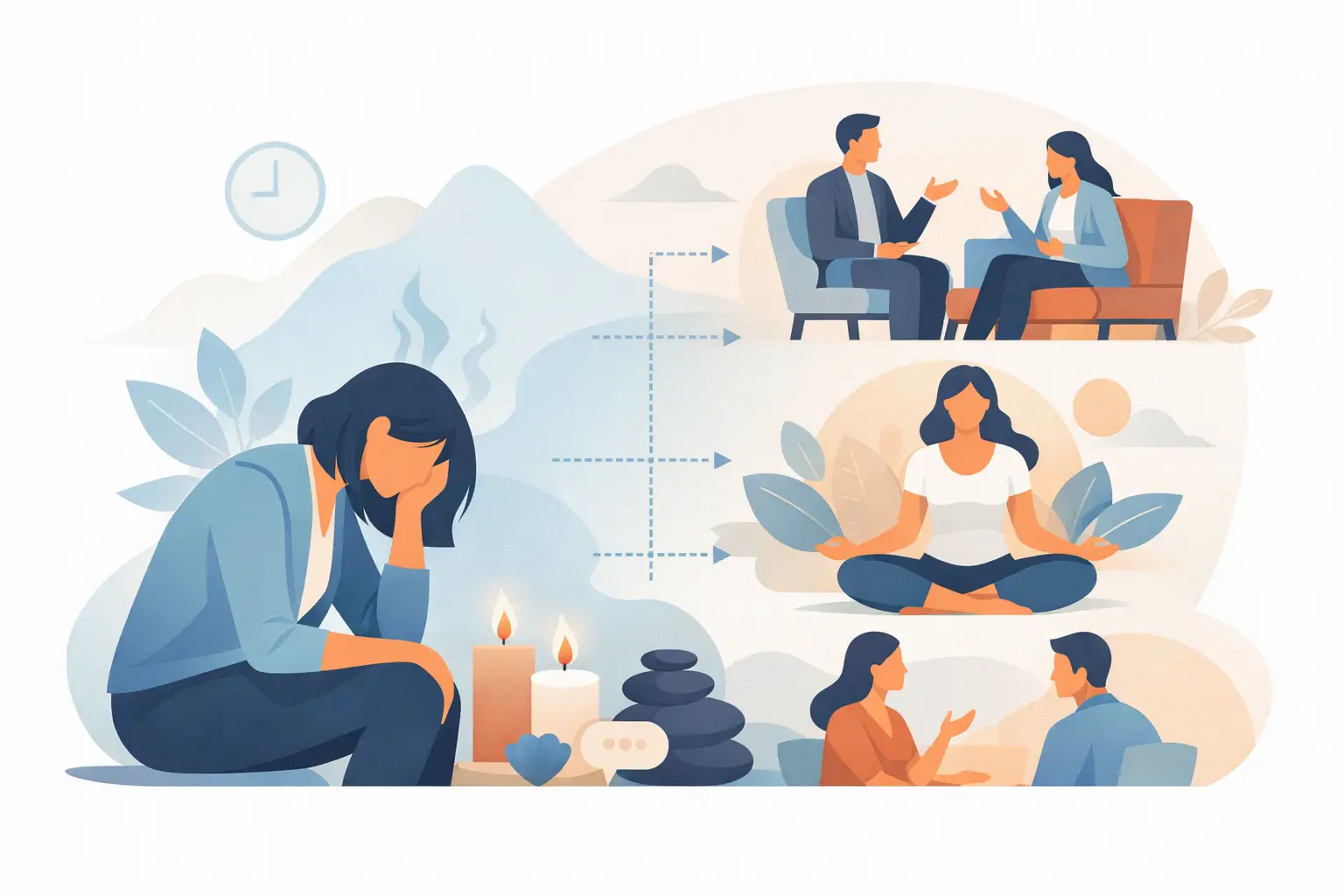
For persistent sleep anxiety, practical habits alone may not be enough. The thoughts and physical reactions around bedtime can be deeply learned, particularly after a period of stress, illness, bereavement, burnout or a major life change. In these cases, it can be helpful to explore the underlying pattern rather than repeatedly searching for the ideal routine.
Cognitive hypnotherapy can be used alongside practical sleep strategies to help people understand the triggers that keep their nervous system alert. Sessions may explore unhelpful predictions, the pressure to perform well the following day, and habits of mental rehearsal that continue after work has ended. Approaches such as relaxation work, NLP-informed techniques and EFT may also be considered where appropriate, always tailored to the individual rather than applied as a standard formula.
Hypnotherapy is not about being made to sleep or losing control. It is a focused therapeutic process that can help some people practise a different response to anxious thoughts and bodily sensations. The aim is to make bedtime feel less like a confrontation. Progress is not always linear: a better response to a wakeful night can be a meaningful sign of change, even before sleep becomes consistently easier.
When to seek medical advice
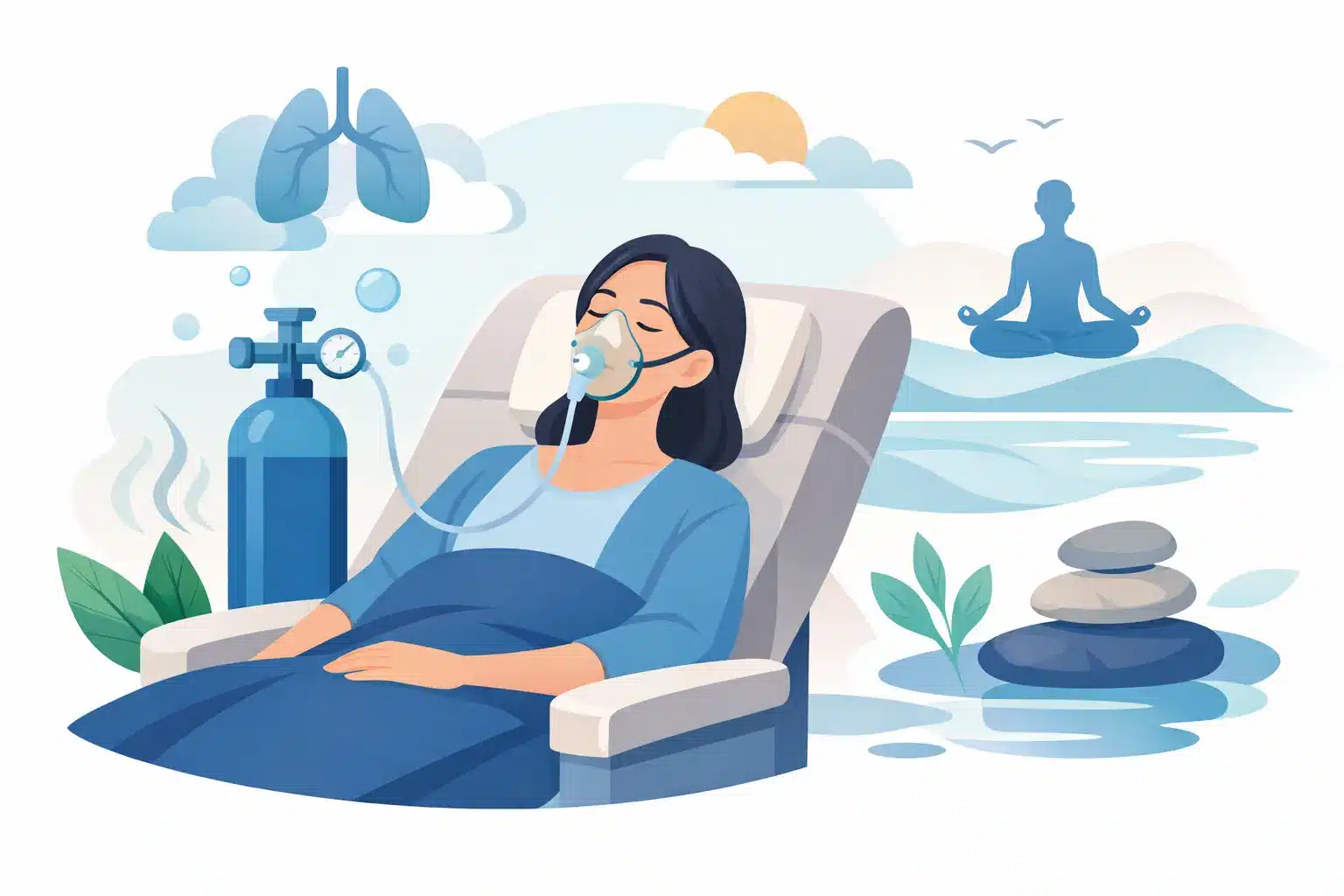
Anxiety is common, but not every sleep problem is primarily anxiety-based. Speak to your GP if you snore loudly, stop breathing in sleep, wake gasping, have severe daytime sleepiness, experience restless legs, or notice a sudden and significant change in sleep. It is also important to seek urgent support if low mood, hopelessness, panic or thoughts of harming yourself are present.
A calm approach to sleep does not mean ignoring genuine health concerns. It means separating what needs medical assessment from the understandable anxiety that can grow around a difficult night.
Tonight, try to treat wakefulness as uncomfortable rather than dangerous. The less you need to win the battle with sleep, the more room there is for your body to do what it already knows how to do.
“If you’re based in London and would like to explore this further, you can get in touch with us.”